


Crowd Management and Public Monitoring on Ground With No Camera Position
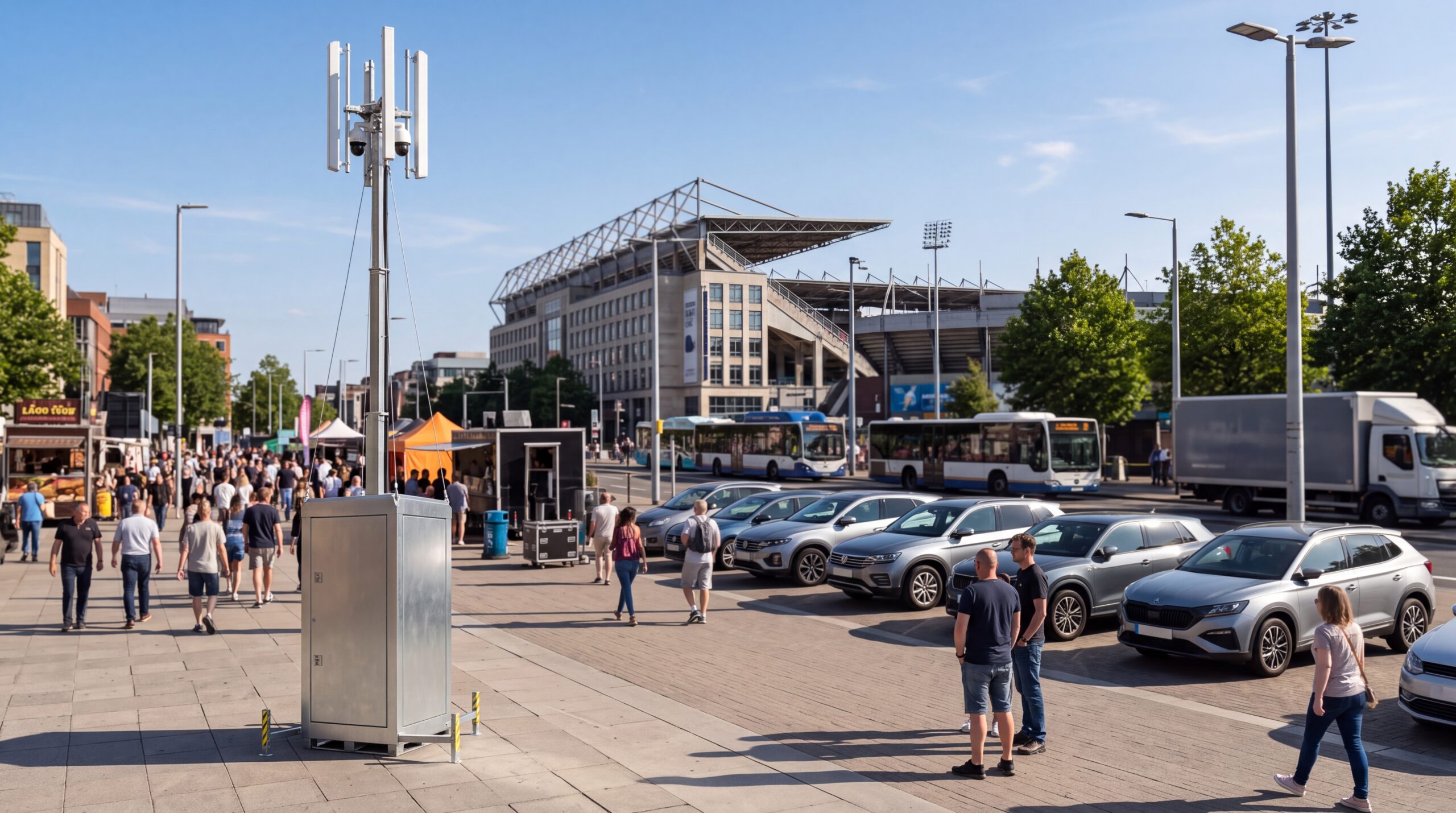
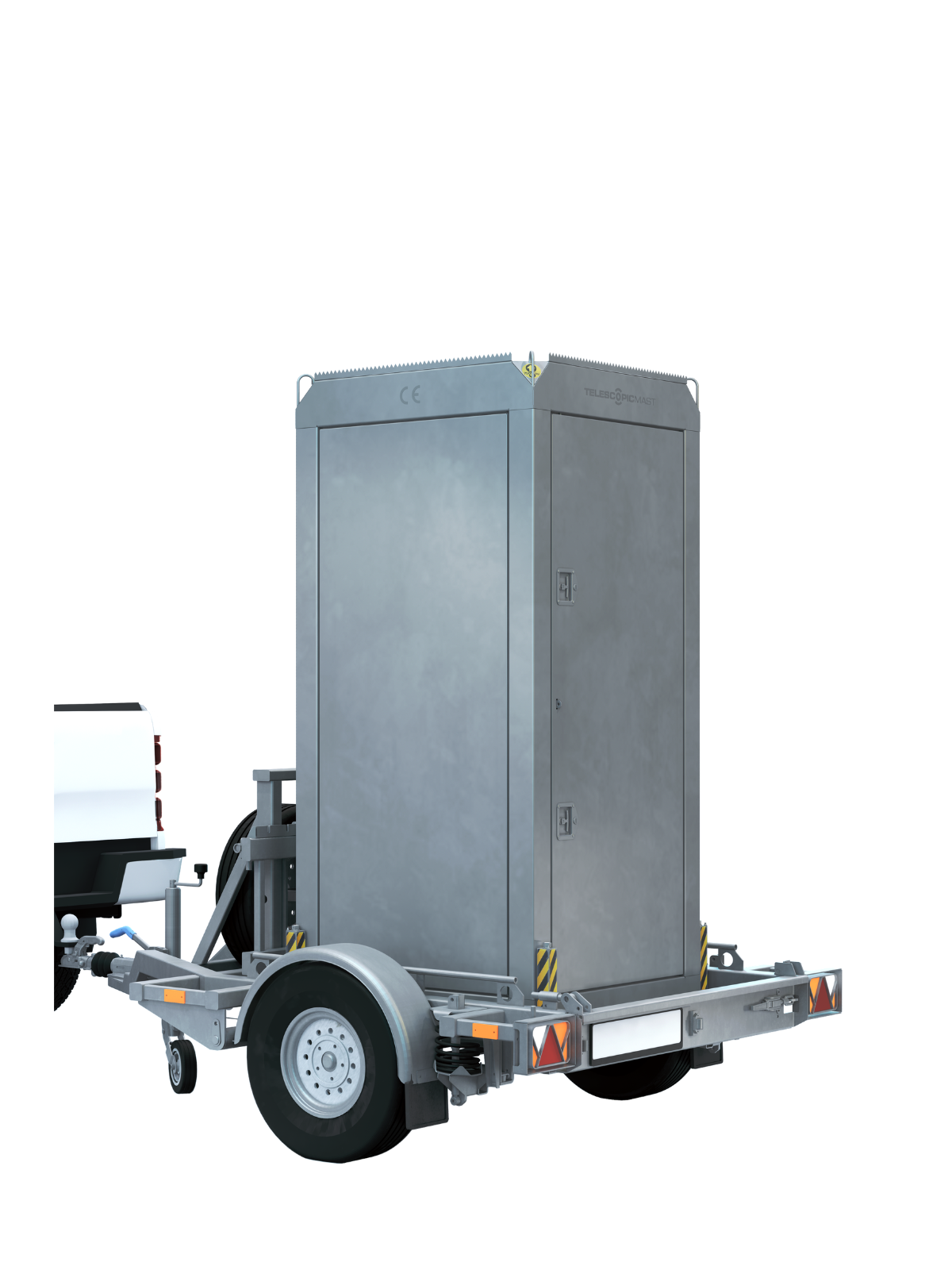
The field, the square and the closed high street were never built to be watched. For four days they hold twenty thousand people, and the safety officer still has to answer the one question nobody can answer from inside the crowd: where is it getting tight. A Mobile Tower Platform puts cameras, analytics, audio and a data link six metres above the heads in about 15 minutes, and hands the ground back on Monday exactly as it found it.

Two people, before the gates open
Nine metres on the MSB-Premium XL
No trench, no column, no ducting
Paperwork for the safety advisory group
What the Platform Contributes to Crowd Management

Height Is What Makes the Picture Readable
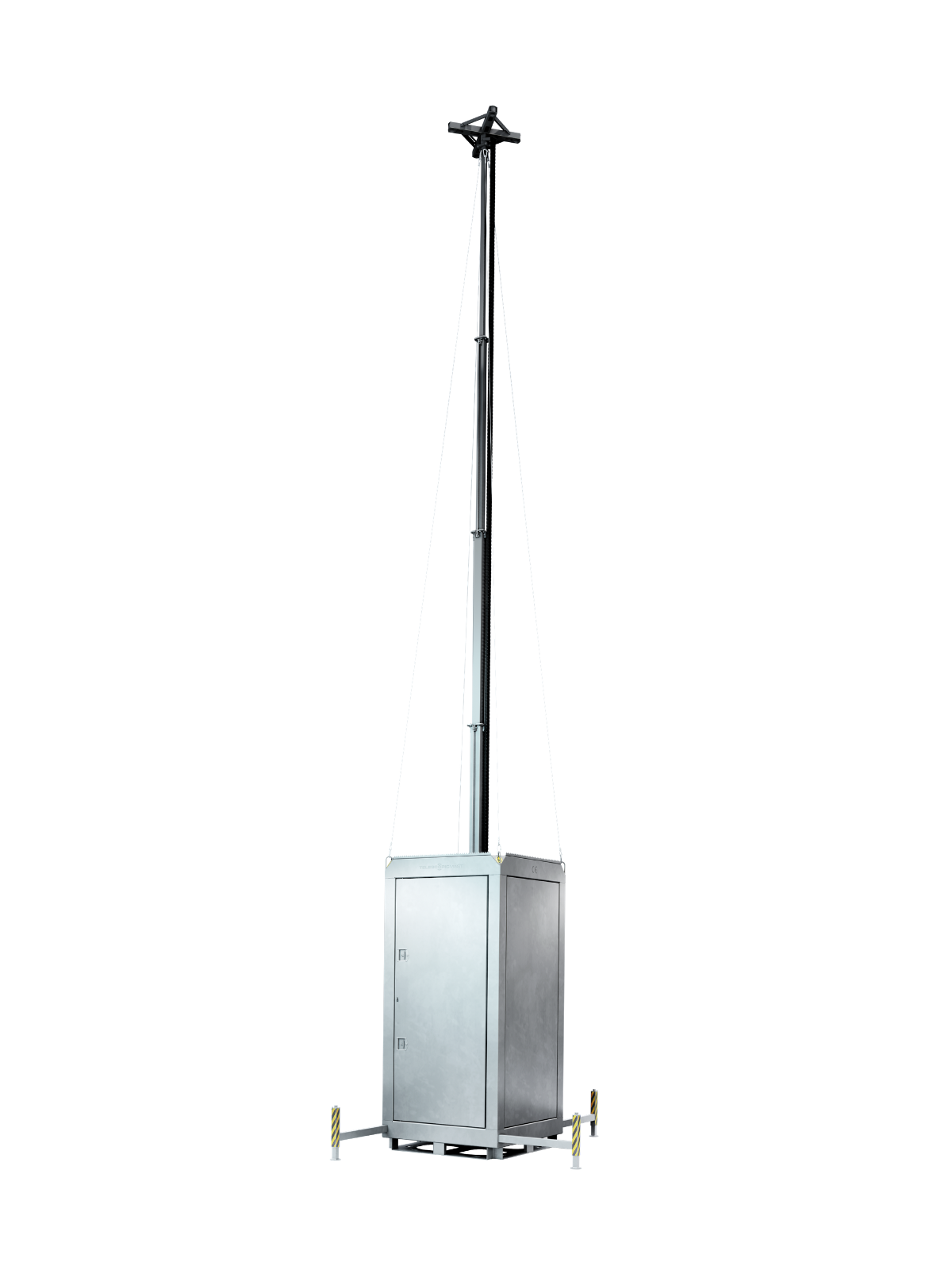
A crowd camera earns its keep by looking down on the flow, not across it. The MSB6 platforms carry a three part galvanised mast to six metres with an automatic stop at full extension, and the MSB-Premium XL reaches nine metres on a five part mast for a stadium approach or a long entry lane.

Event CCTV on Ground You Are Only Borrowing
Most event sites are hired, licensed or protected, and every one of them has to be handed back. A platform arrives on a trailer or a forklift, stands on four extendable stabilisers with an integrated level, and leaves no trench, no foundation and no cable run behind it.

It Has to Stand in a Square With People Around It
A mast in a public space is inside the crowd it is watching, so stability and noise both matter. Four stainless steel 316 guy cables and a fully galvanised chassis hold the position, and the platform runs quietly enough for a residential street at two in the morning.

Your Analytics, Your Control Room
Density mapping, counting lines and bottleneck alerts come from the software your operators already trust, not from a sealed box. The mast top is a four spoke plate rather than a proprietary bracket, so PTZ cameras, thermal units, speakers and antennas mount straight onto it.


From zero to secure in one week across 21 venues
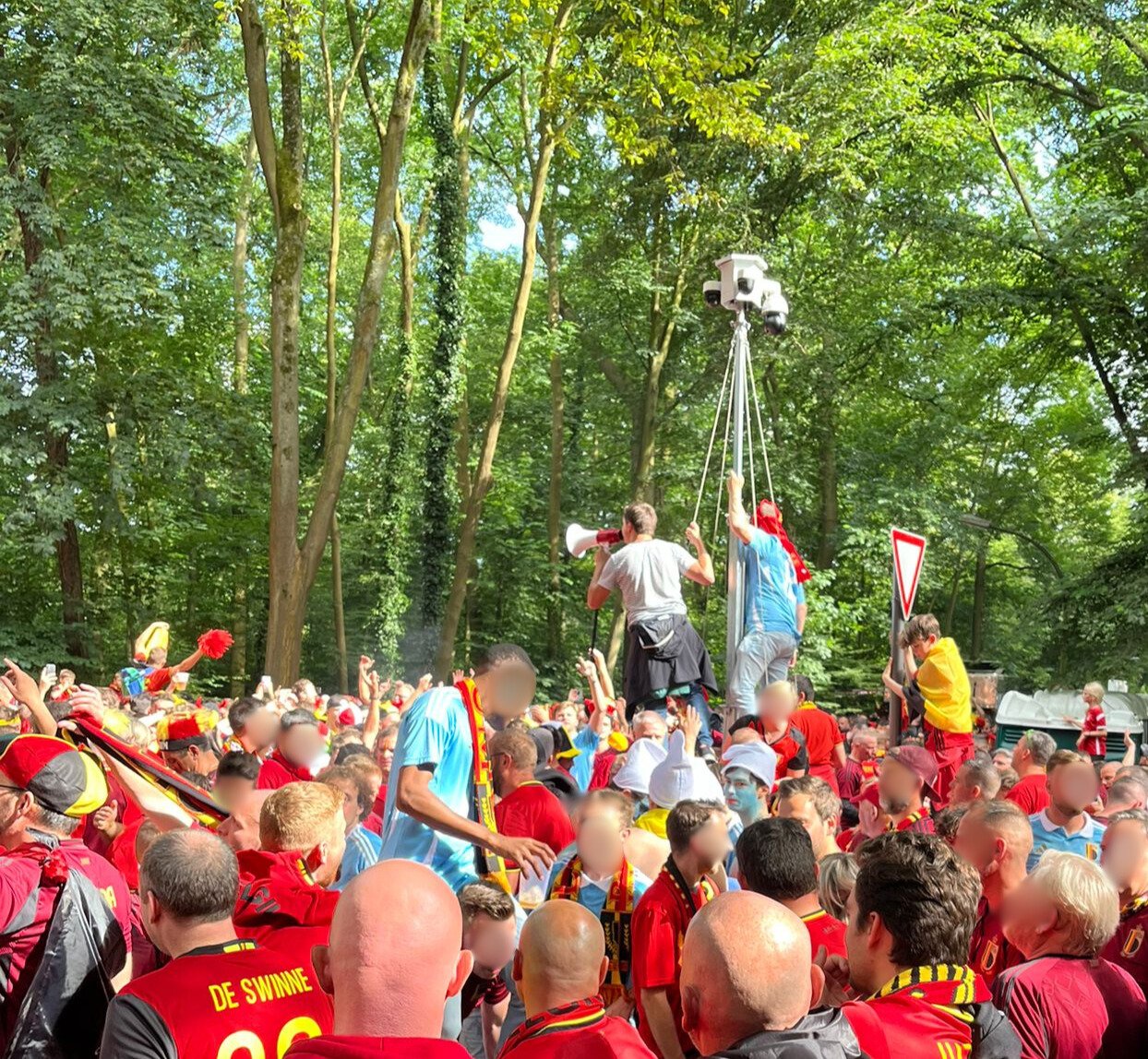
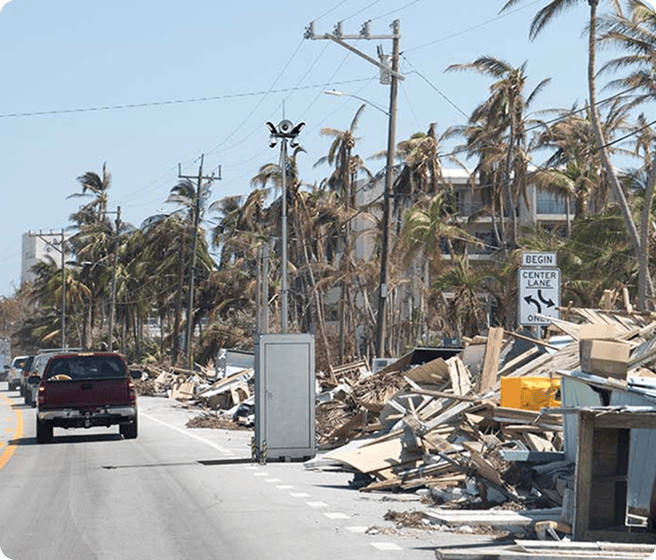
One week to bring surveillance to more than 21 competition and support venues, most of them without a camera position anywhere on site. Mobile CCTV towers let the team stand up coverage venue by venue and move units on as the programme shifted, without waiting for power, groundwork or planning consent.
Site and event security across Iceland, in weather that decides the schedule
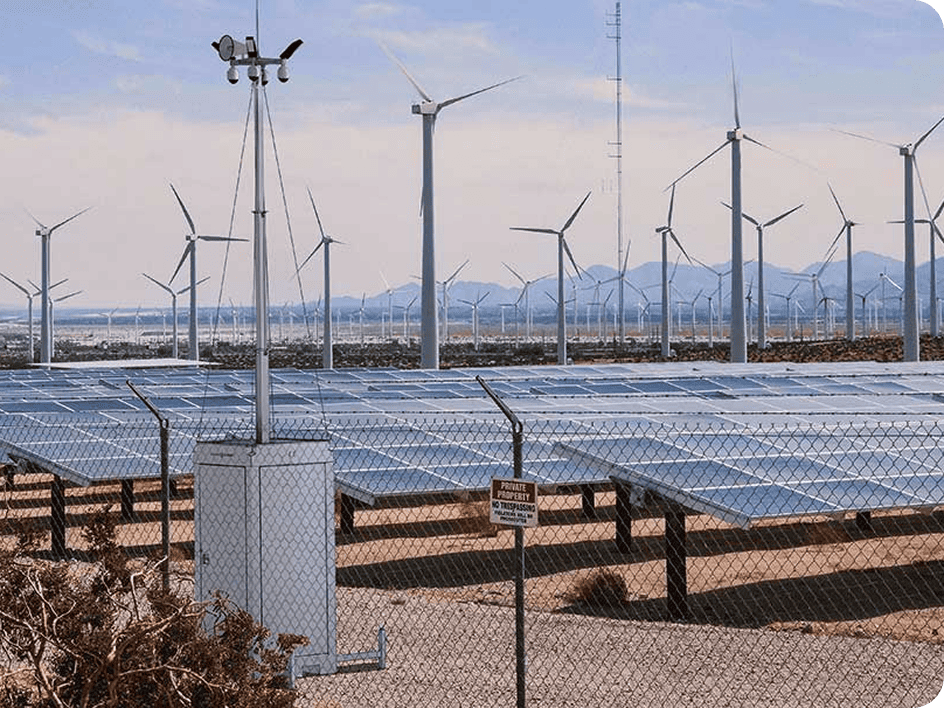
Vorn provides security and surveillance for construction sites and events across Iceland, where wind and weather decide what can be put up and how fast it has to come down again. Mobile platforms give the team the same camera position at a festival site as on a build, with nothing left in the ground afterwards.

Cameras and Thermal
Crowd Analytics and Detection
Public Address and Lighting
Connectivity and Private Networks
Power and Autonomy
Cameras and Thermal
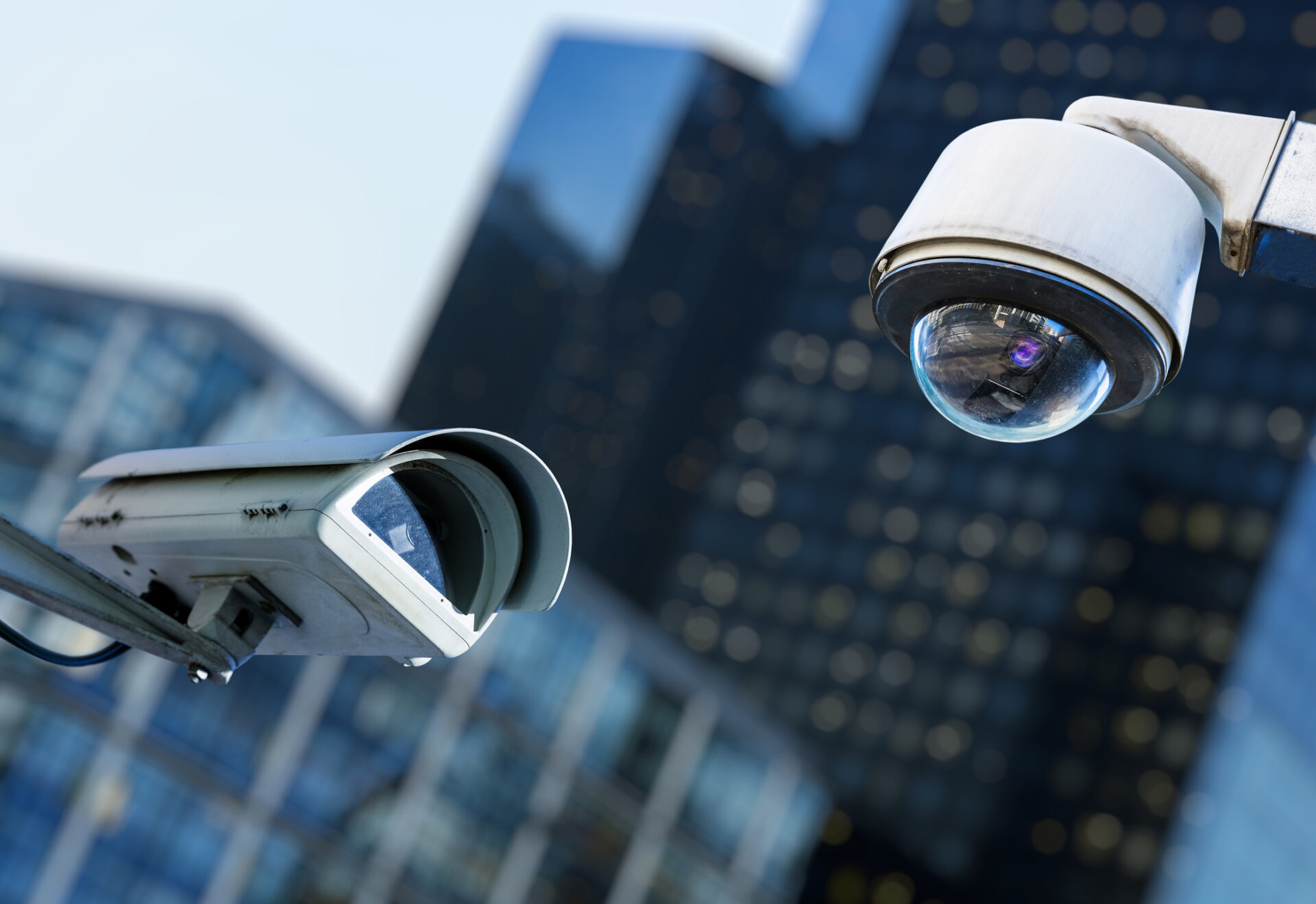
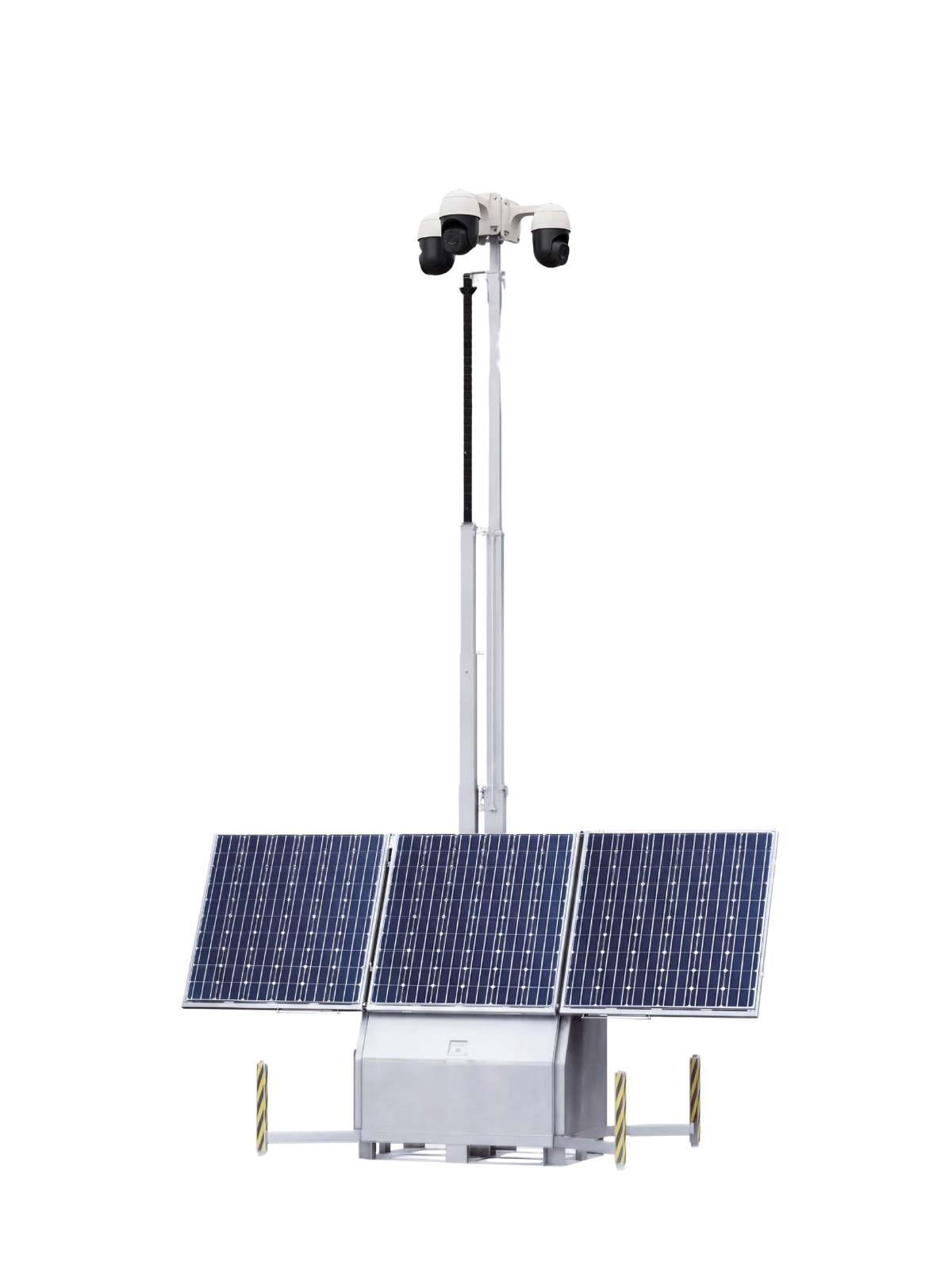
PTZ cameras give a commander the overview of a fan zone and the zoom to check one gate. Thermal picks up people in an unlit car park at two in the morning, when the crowd has thinned out and the risk has changed shape. The mast top carries both on four spokes and 60 kg.
Common applications:
- Overview of fan zones and festival sites
- Entry lanes, egress routes and queue build up
- Thermal cover of unlit car parks and campsites
Important notice
TelescopicMast does not supply these accessories. Integration is done with technology partners based on your requirements.
Download Integration Brochure
Mast top payload, spoke dimensions and mounting options for cameras and thermal imagers.
Crowd Analytics and Detection
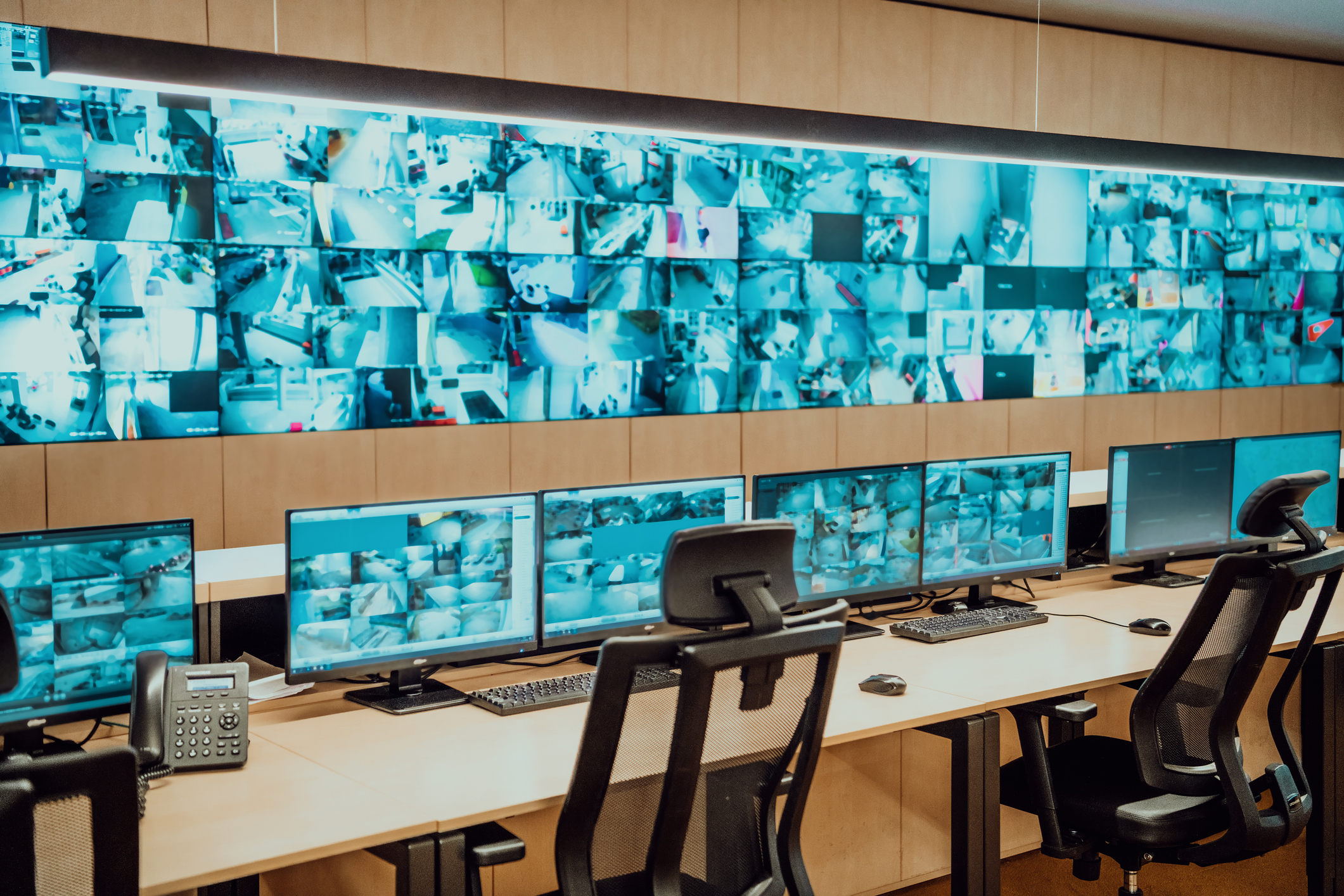
Density mapping, counting lines and flow alerts turn a picture into a decision, and they need the overhead angle to work properly. Because the platform ships without electronics, the analytics stay yours to choose and yours to upgrade when the software moves on.
Common applications:
- Crowd density and flow monitoring
- Counting lines at gates and entry points
- Alerts on bottlenecks and counter flow
Important notice
TelescopicMast does not supply these accessories. Integration is done with technology partners based on your requirements.
Download Integration Brochure
Mounting positions, cable routing and power budgets for analytics and detection hardware.
Public Address and Lighting
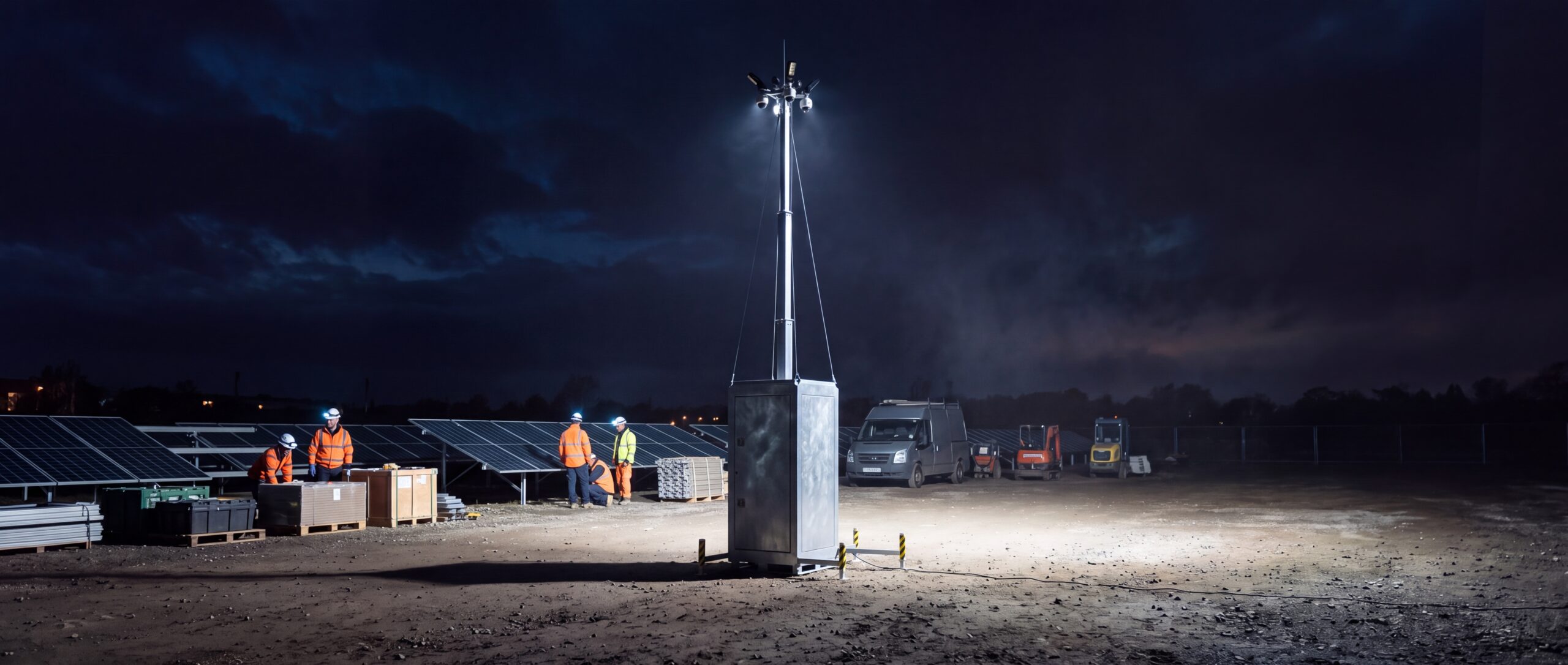
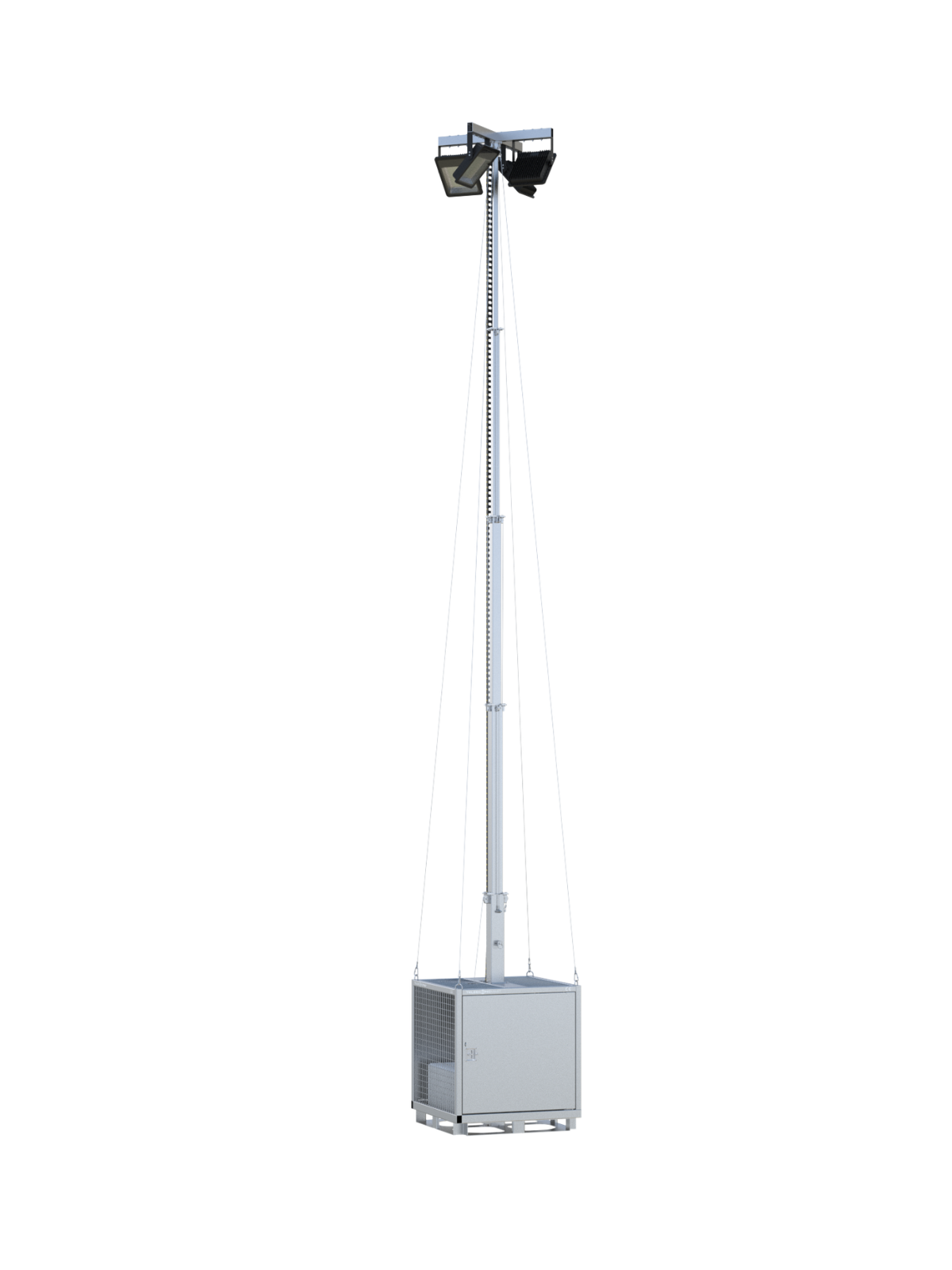
A crowd that can hear an instruction moves before it has to be moved. Speakers at six metres carry across a square, and lighting on an egress route turns the walk back to the car park into something people can see. Both mount on the same mast top as the cameras.
Common applications:
- Announcements and crowd direction
- Lighting on egress routes and campsites
- Low disturbance lighting near housing
Important notice
TelescopicMast does not supply these accessories. Integration is done with technology partners based on your requirements.
Download Integration Brochure
Payload, power draw and mounting options for audio and lighting equipment.
Connectivity and Private Networks
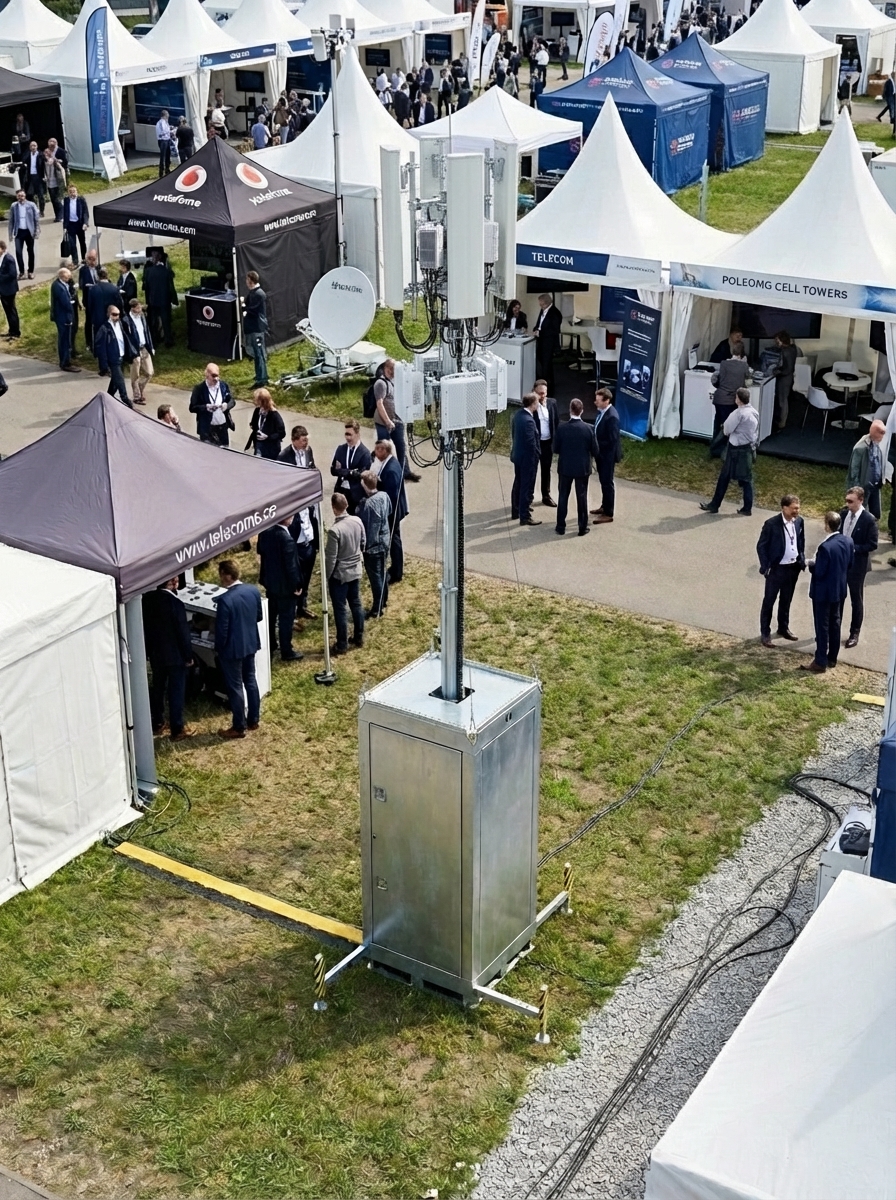
Twenty thousand phones on one field will take the public network with them, and the command post still needs its images. The mast that carries the cameras carries the uplink, over 4G, 5G or LTE, into the control room or a temporary command post on the same site.
Common applications:
- Uplink to a control room or command post
- Temporary private LTE and 5G on site
- On-board recording inside the locked cabinet
Important notice
TelescopicMast does not supply these accessories. Integration is done with technology partners based on your requirements.
Download Integration Brochure
Cable routing, patch box specification and connectivity options for transmission and recording.
Power and Autonomy
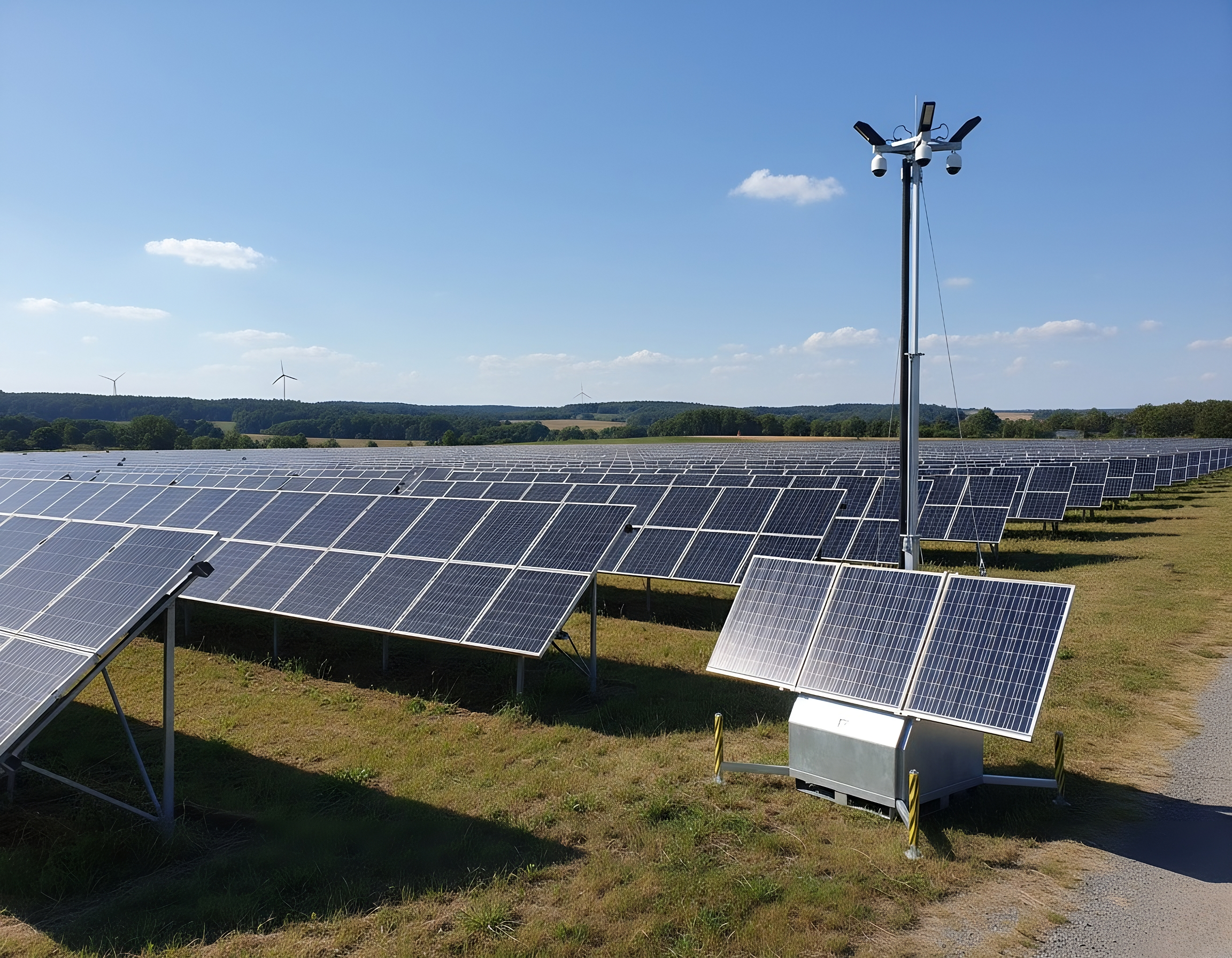
A field has no sockets and a generator has a sound of its own. The cabinet takes your own batteries and hydrogen or methanol fuel cells, the MSB-Edge adds 660 W of solar across three panels, and the whole platform runs quietly enough to stand near a campsite overnight.
Common applications:
- 660 W solar on the MSB-Edge
- Batteries and SFC Energy fuel cells
- Grid, solar and hybrid configurations
Important notice
TelescopicMast does not supply these accessories. Integration is done with technology partners based on your requirements.
Download Integration Brochure
Power budgets, battery space and off grid configurations for multi day deployments.


Get in Touch
Have questions about our Mobile Tower Platforms? Our sales team is ready to help you find the perfect solution for your security needs.