


Thermal Detection for Heat and Fire on Ground That Keeps Changing
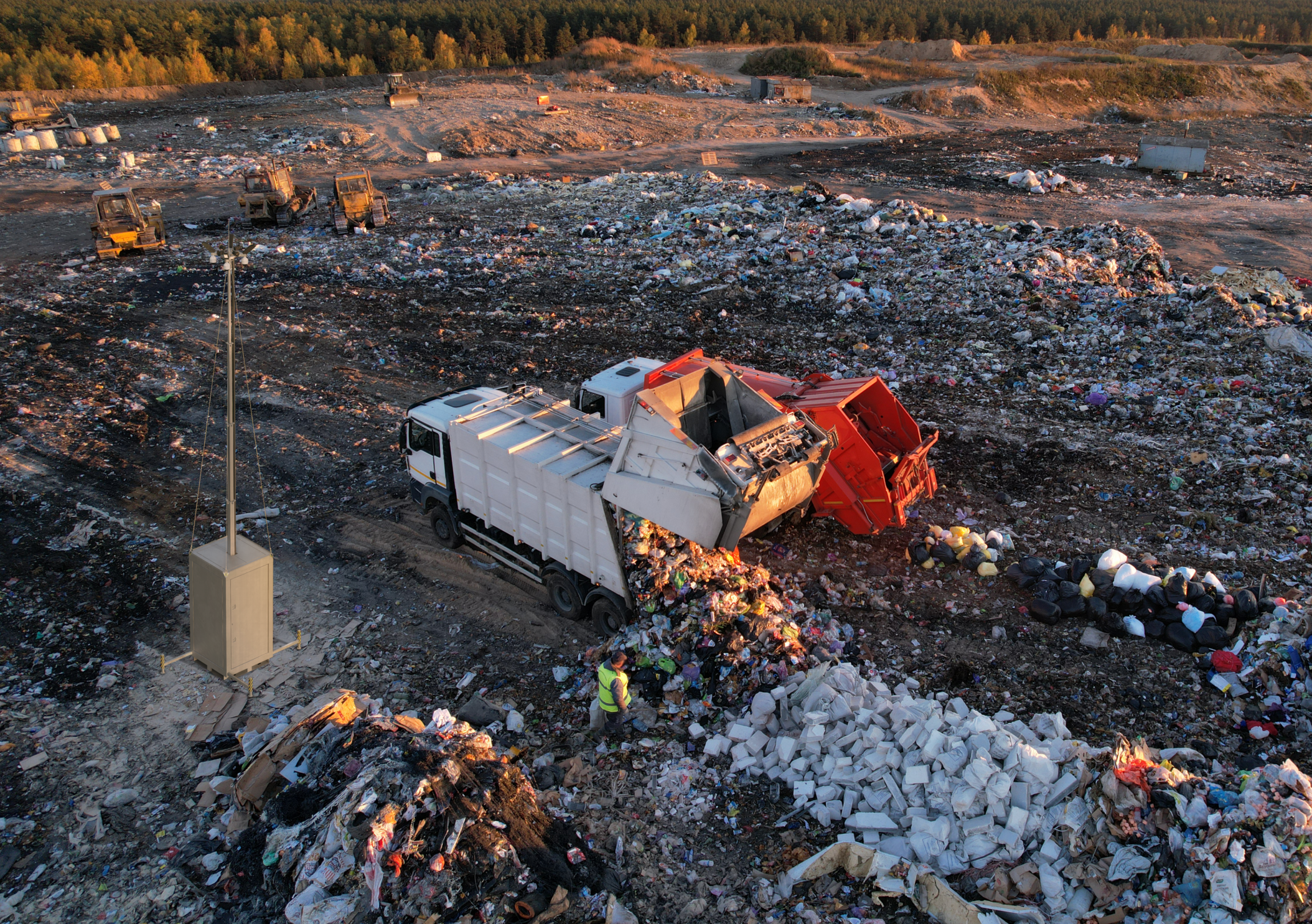
A smouldering pile gives you hours of warning. It gives them to whatever happens to be pointed at it at three in the morning. A Mobile Tower Platform puts a thermal camera six metres above the stockpile in under 15 minutes, and moves again when the stockpile does.

Looking down into the pile, not across it
No groundwork, no grid connection
Aimed where the heat is now
95 pages of test documentation
What the Platform Contributes to Thermal Detection

Thermal Wants to Look Down, Not Across
A thermal camera at ground level sees the front face of a stockpile. The hot spot is usually on top of it or inside it, and everything behind the first bay is hidden. Height converts a side view into a downward angle across the whole tipping area, which is what the analytics need in order to place a temperature somewhere specific.

The Hazard Moves. Fixed Brackets Do Not.
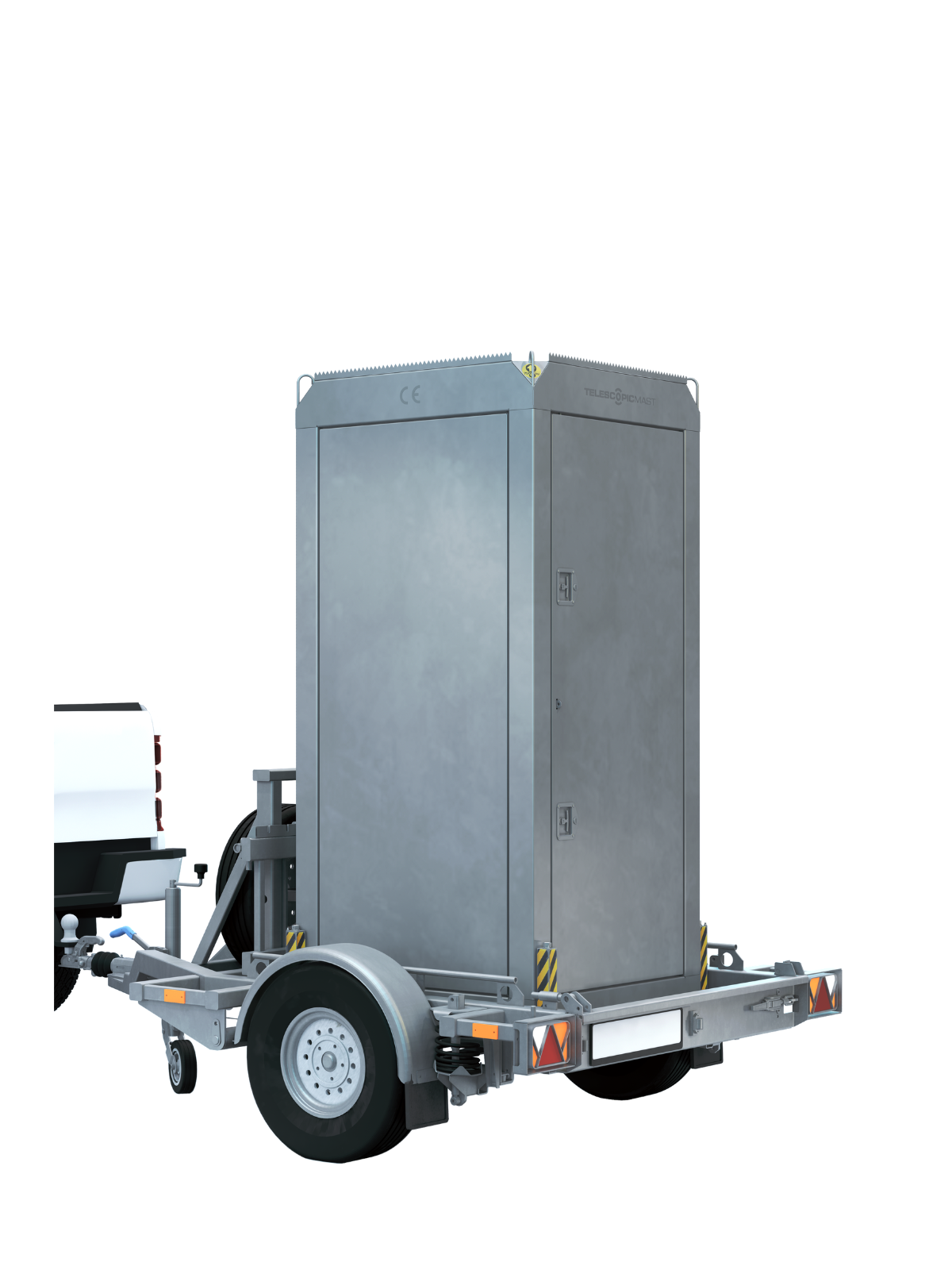
A permit variation changes stack sizes and separation distances. A new contract moves the shredder. A tipping area is relaid over a weekend. Thermal detection is worth exactly what it is aimed at, and a platform on four stabilisers is re-aimed in an afternoon instead of being re-specified and re-trenched.

A Still Mast Top Keeps the Alarm Honest
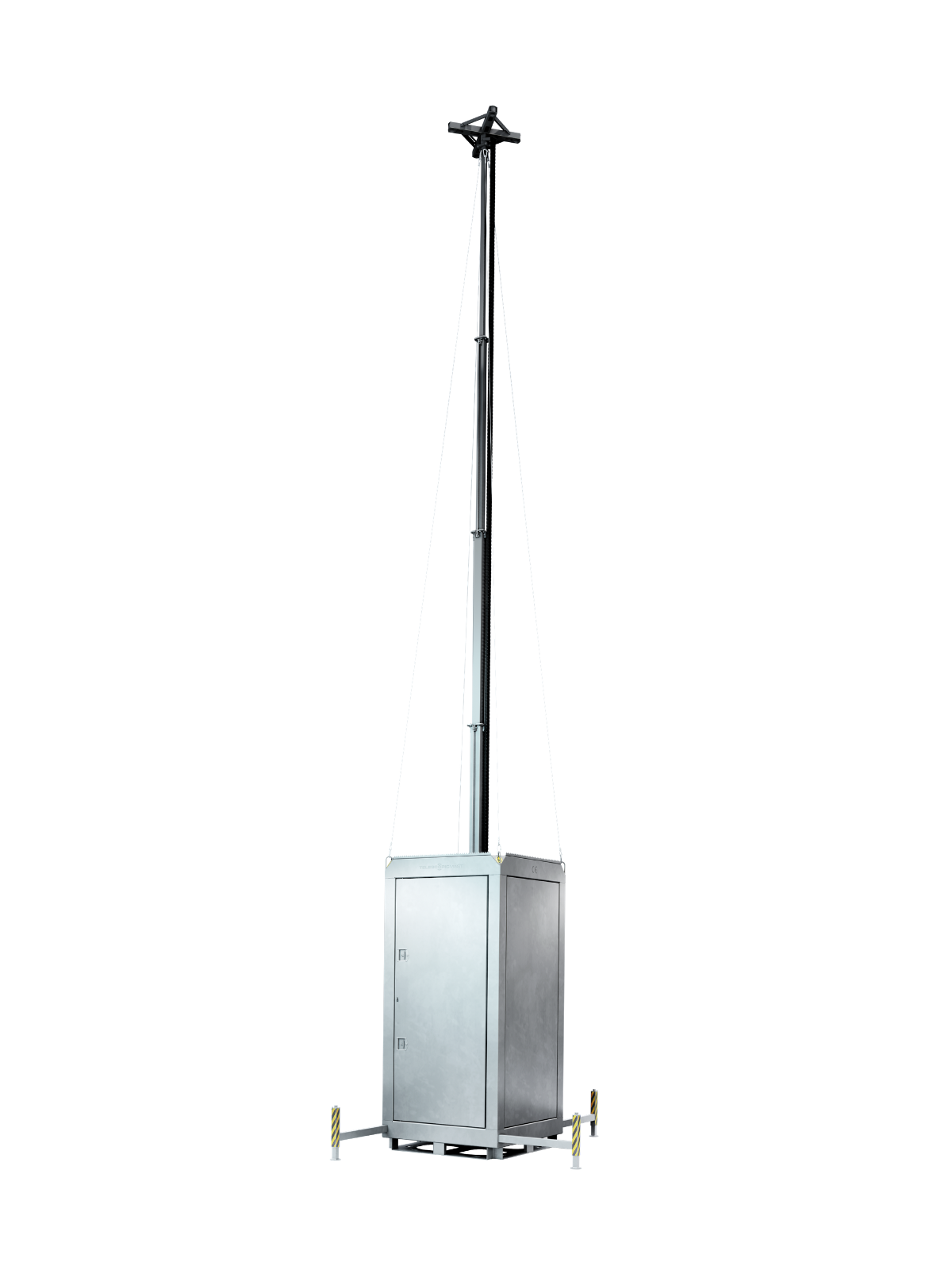
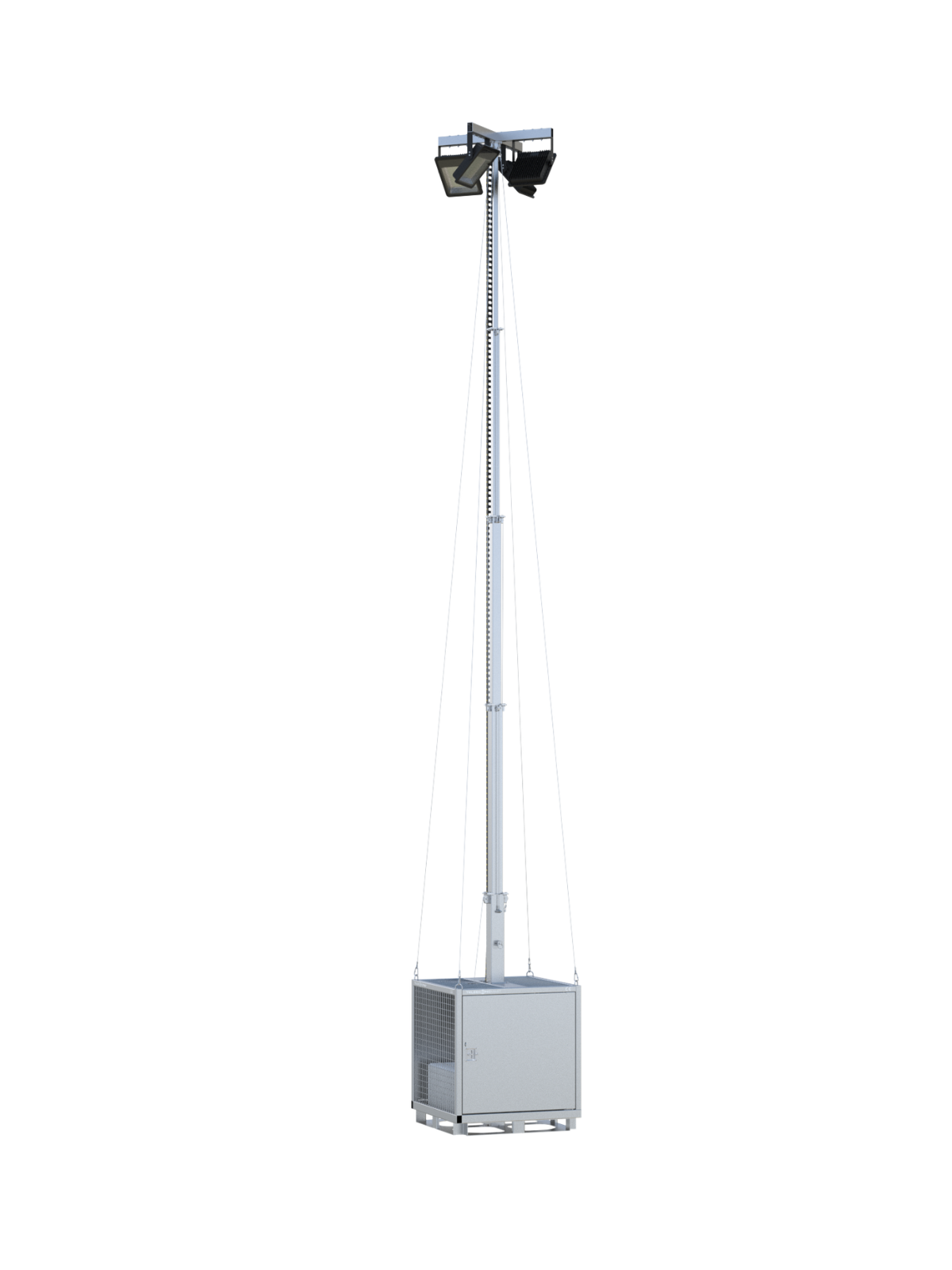
A radiometric alarm trips on a temperature inside a zone somebody drew on the image. If the mast top drifts in the wind, the zone drifts with it and the spot being measured is no longer the spot that was set. Four stainless steel 316 stay cables and four stabilisers hold the head where it was aligned.

Weeks of Watching Without a Socket
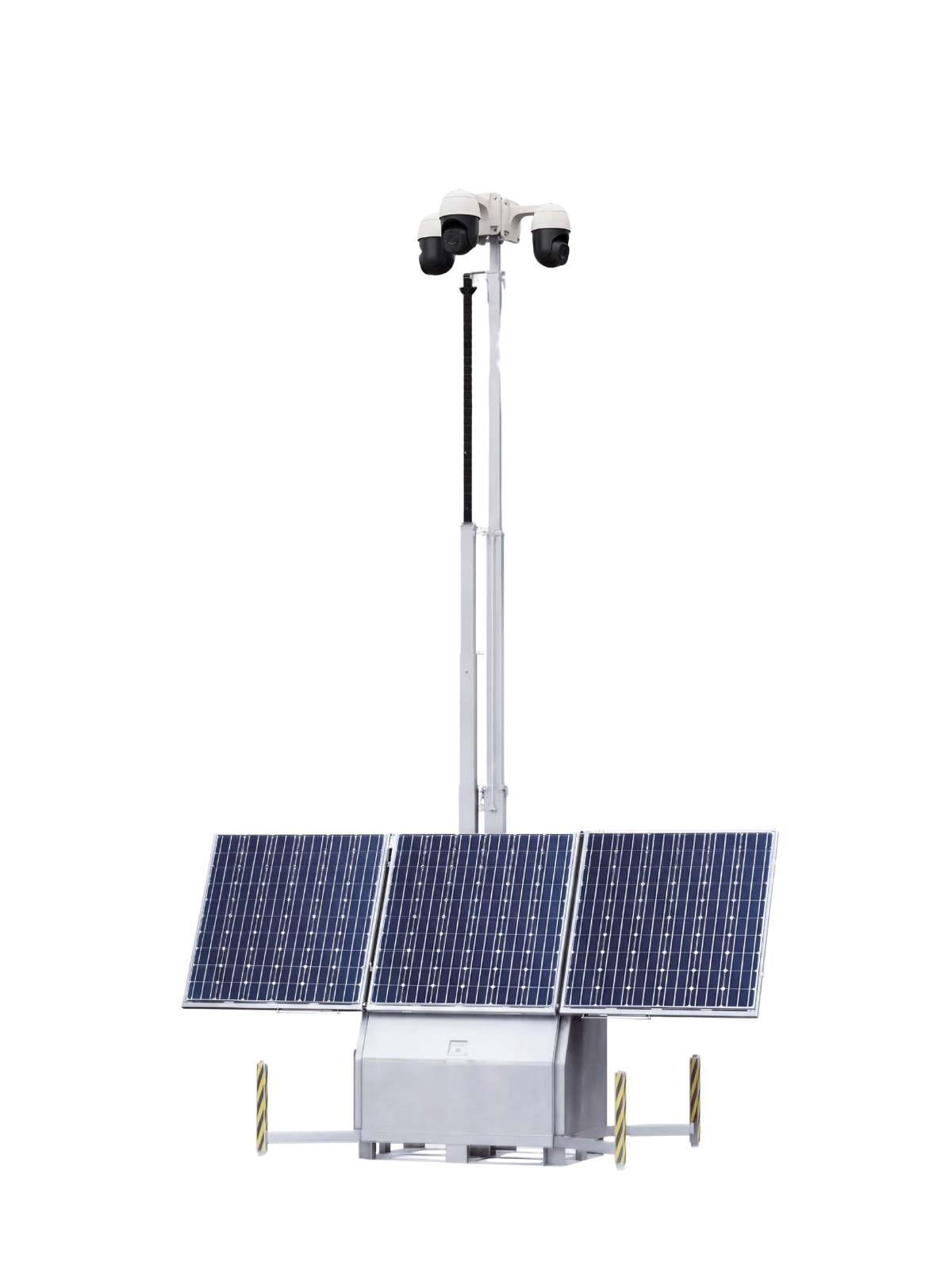
The highest fire load is often the part of the site with no power: an outdoor bale store, a wood yard, a construction compound, a battery yard waiting for energisation. The galvanised cabinet takes your own batteries and hydrogen or methanol fuel cells, and the MSB-Edge carries 660 W of solar.
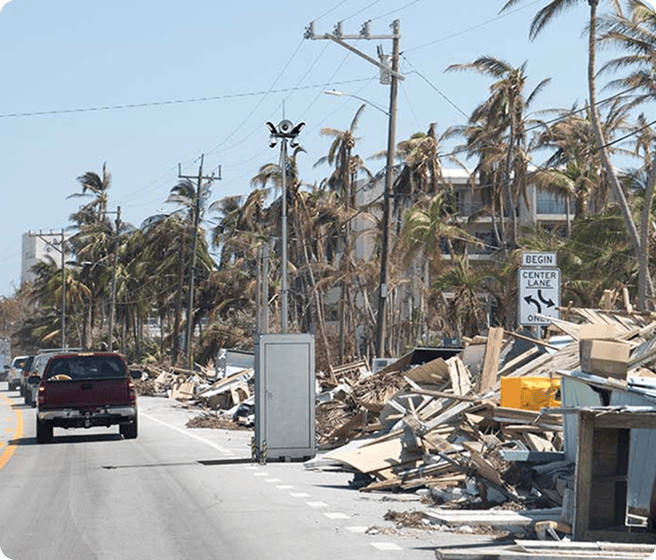


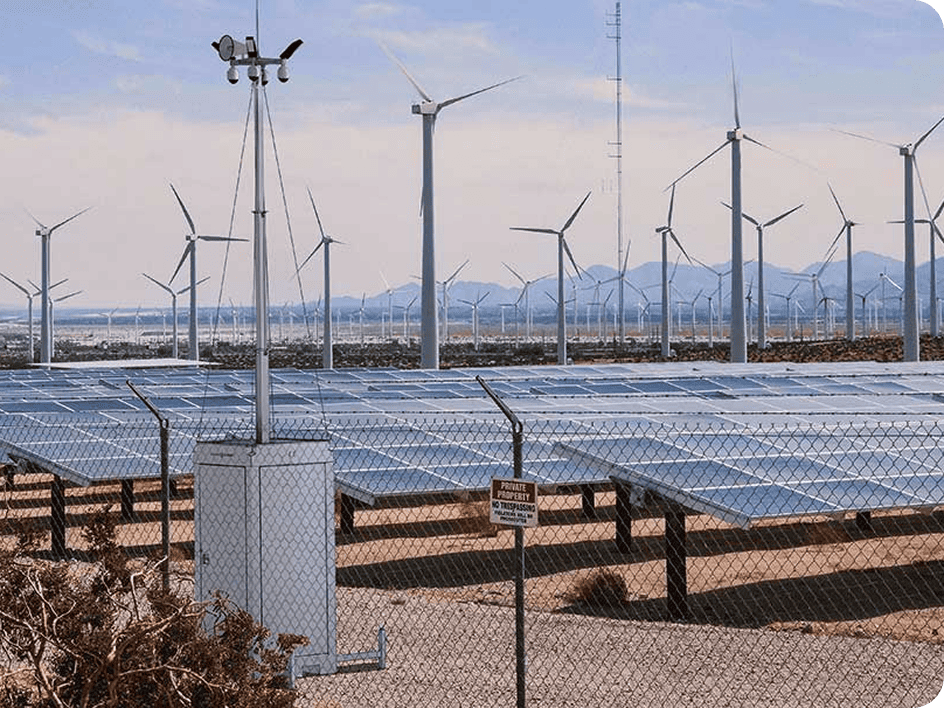
Fifty platforms working through Icelandic winters on thermal and infrared
Vörn secures construction sites and events across Iceland, where daylight is short and the weather does most of the arguing. Their platforms run 4K PTZ cameras with thermal and infrared night vision on solar power, deploy in under 15 minutes and are moved daily without a specialist crew. Darkness and driving rain are the conditions thermal exists for.
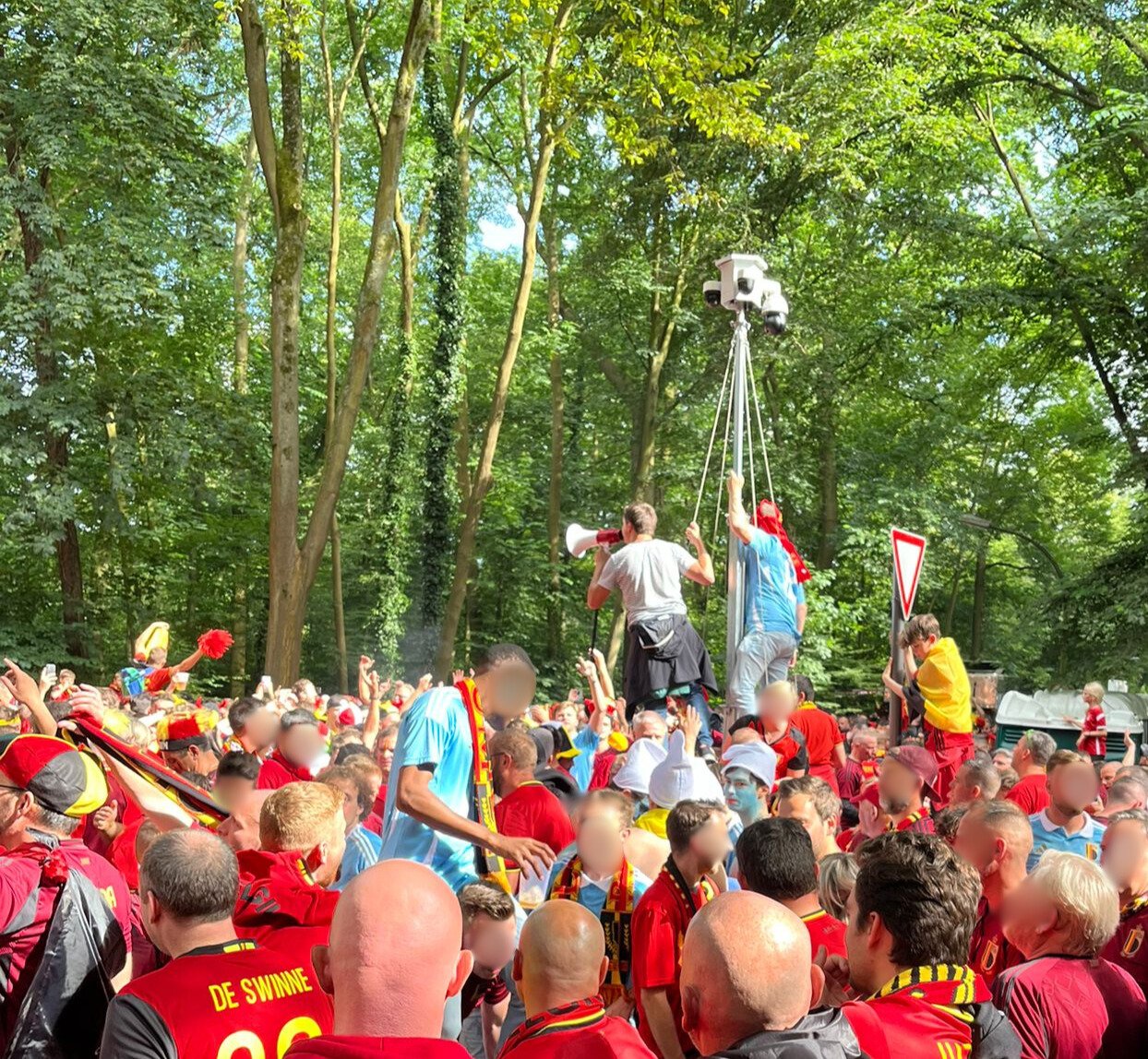
159 platforms across 21 venues, installed inside a single week
The XXII Commonwealth Games gave Wilson James a fixed date and 21 venues with no permanent surveillance infrastructure. 159 platforms went in inside one week, feeding AI analytics and a central monitoring position. When a site needs cover before the infrastructure exists, the constraint is how fast a fleet can be stood up.

Thermal Cameras
Temperature Analytics and Alarms
Visual Verification and Audio
Connectivity and Alerting
Power and Autonomy
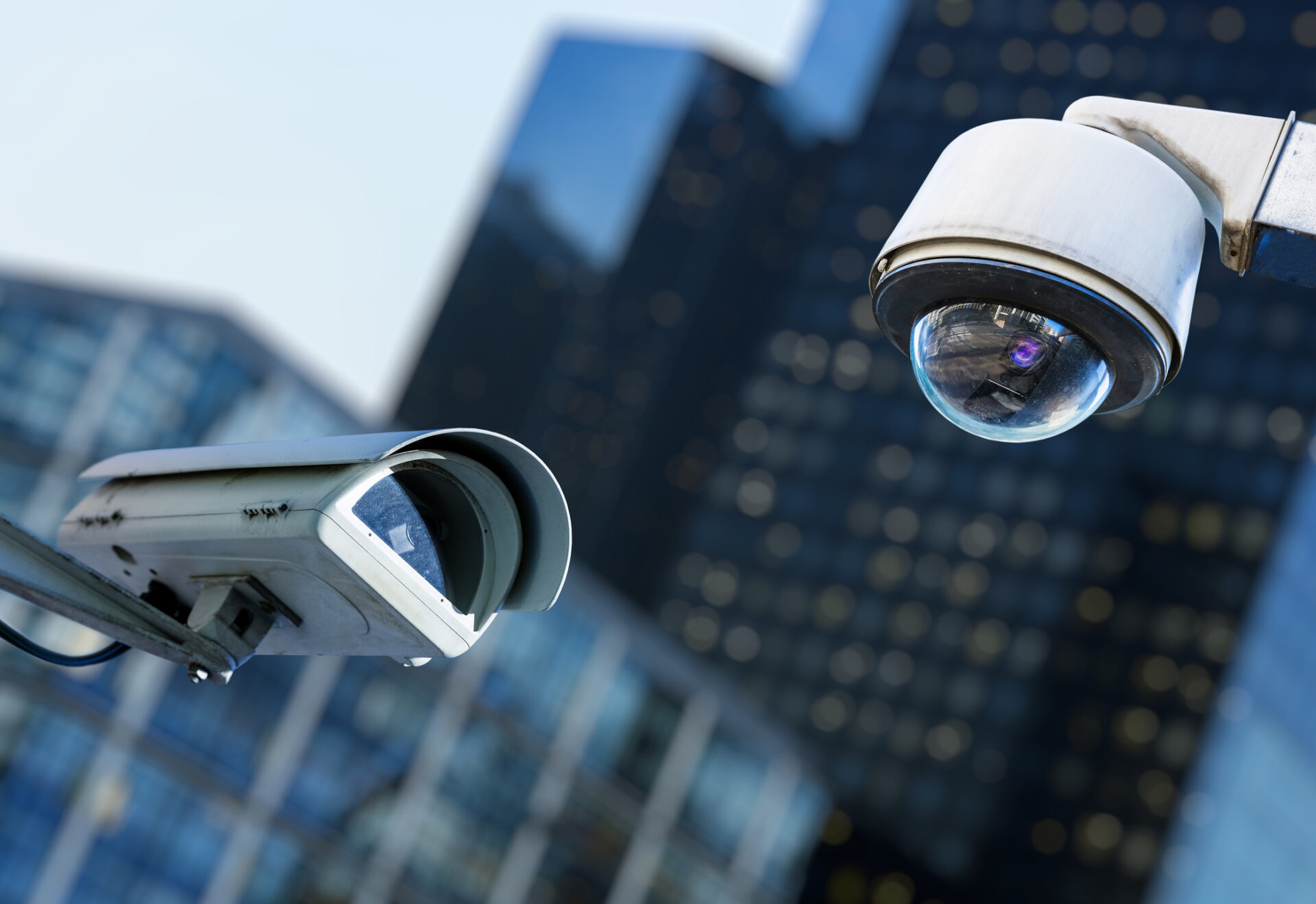
Thermal Cameras
Radiometric imagers measure a temperature per pixel and can raise an alarm on a threshold. Non-radiometric imagers see heat differences but cannot put a number on them, which matters when the requirement is a stockpile limit rather than an intruder. Resolution decides how small a hot spot can be at how far away.
Common applications:
- Radiometric hot spot alarms on stockpiles
- Detection in total darkness and light smoke
- Long range imaging across open yards
Important notice
TelescopicMast does not supply these accessories. Integration is done with technology partners based on your requirements.
Download Integration Brochure
Mast top payload, spoke dimensions and mounting options for thermal imagers.
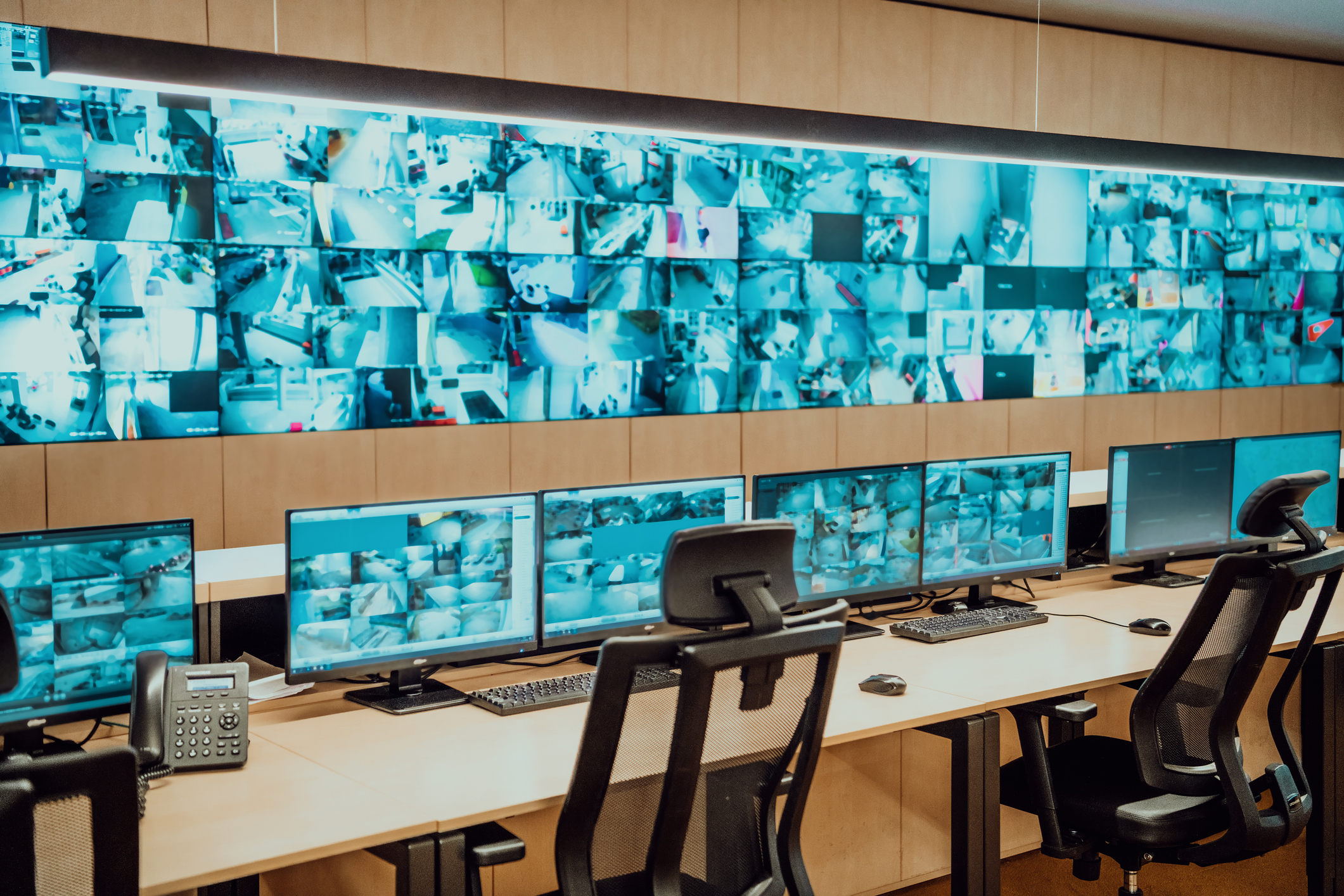
Temperature Analytics and Alarms
Zones drawn over bays, bunkers and conveyor transfer points, each with its own threshold and its own escalation. The analytics run at the edge or inside your own platform. The mast keeps those zones over the same ground from one night to the next.
Common applications:
- Threshold alarms per bay or bunker
- Rate of rise as well as absolute temperature
- Escalation into your own monitoring platform
Important notice
TelescopicMast does not supply these accessories. Integration is done with technology partners based on your requirements.
Download Integration Brochure
Cable routing, patch box specification and power for edge analytics.
Visual Verification and Audio
A heat alarm still needs a human decision. A visual camera on the same mast head confirms what the thermal imager found, and speakers let the control room warn anybody standing near it before the fire service is called out.
Common applications:
- Visual confirmation alongside the thermal image
- Two way audio from the control room
- Floodlighting for responders arriving at night
Important notice
TelescopicMast does not supply these accessories. Integration is done with technology partners based on your requirements.
Download Integration Brochure
Payload, power draw and mounting options for cameras, audio and lighting.
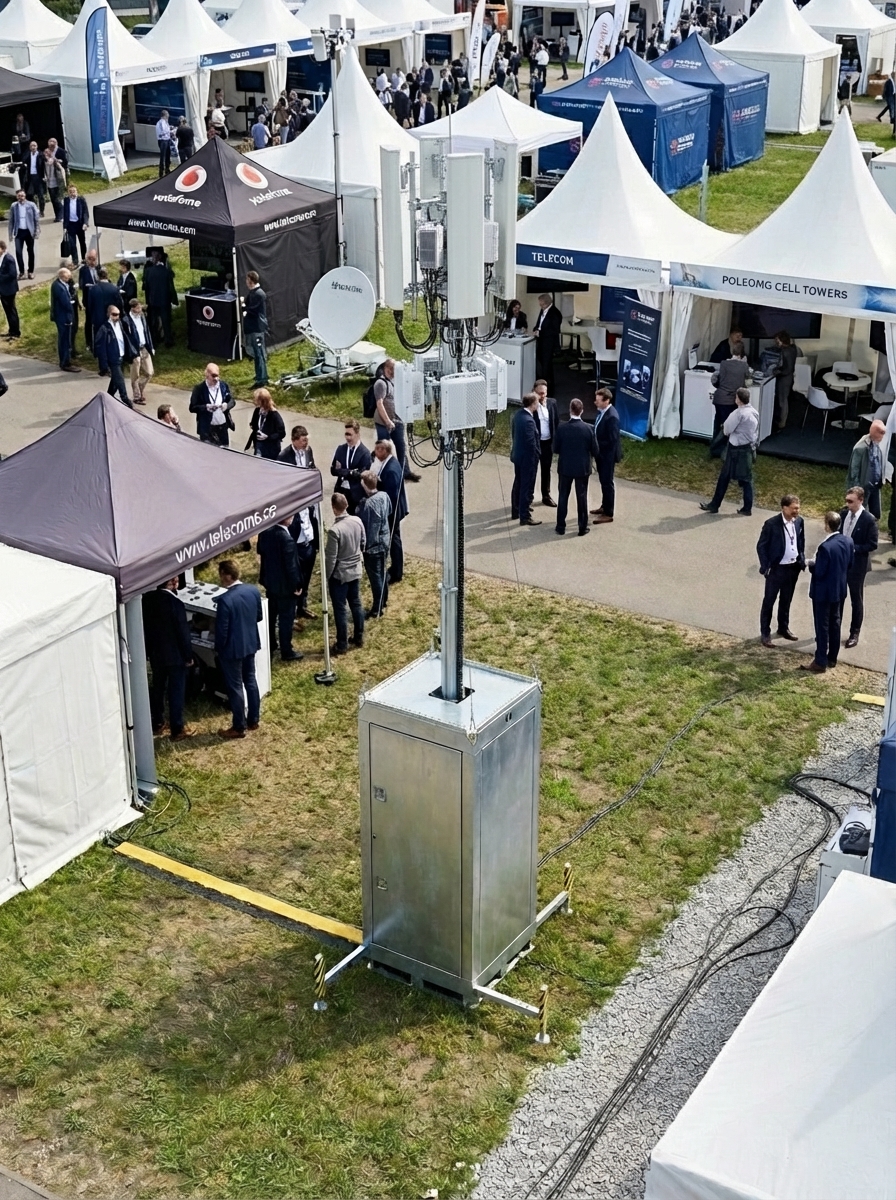
Connectivity and Alerting
An alarm at three in the morning is worth what the transmission path is worth. Dual cabling runs inside the mast to an IP66 patch box, and 4G or 5G carries the alert to the alarm receiving centre you already work with.
Common applications:
- 4G and 5G to your alarm receiving centre
- IP66 patch box and internal cable routing
- Integration with your own monitoring platform
Important notice
TelescopicMast does not supply these accessories. Integration is done with technology partners based on your requirements.
Download Integration Brochure
Connectivity options, patch box specification and transmission planning.
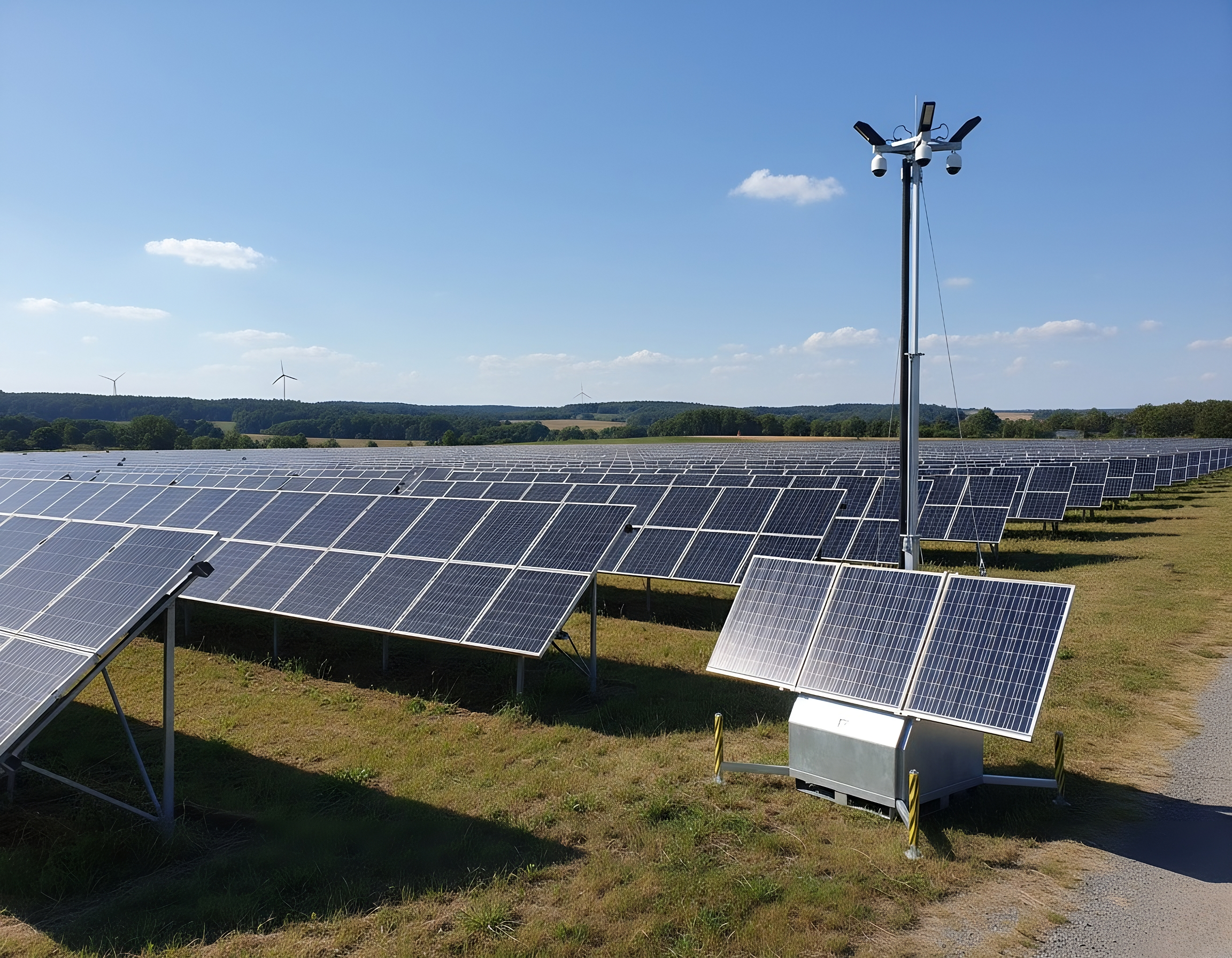
Power and Autonomy
Fire risk does not respect the reach of the nearest socket. The cabinet has space for your own batteries, the MSB-Edge adds 660 W of solar across three panels, and hydrogen or methanol fuel cells cover the weeks when the sun does not.
Common applications:
- 660 W solar on the MSB-Edge
- Battery and fuel cell space in the cabinet
- Grid, solar and hybrid configurations
Important notice
TelescopicMast does not supply these accessories. Integration is done with technology partners based on your requirements.
Download Integration Brochure
Power budgets, battery space and off grid configurations for long deployments.


Get in Touch
Have questions about our Mobile Tower Platforms? Our sales team is ready to help you find the perfect solution for your security needs.