

Rapid Deployment for Temporary Site Security, Measured in Minutes
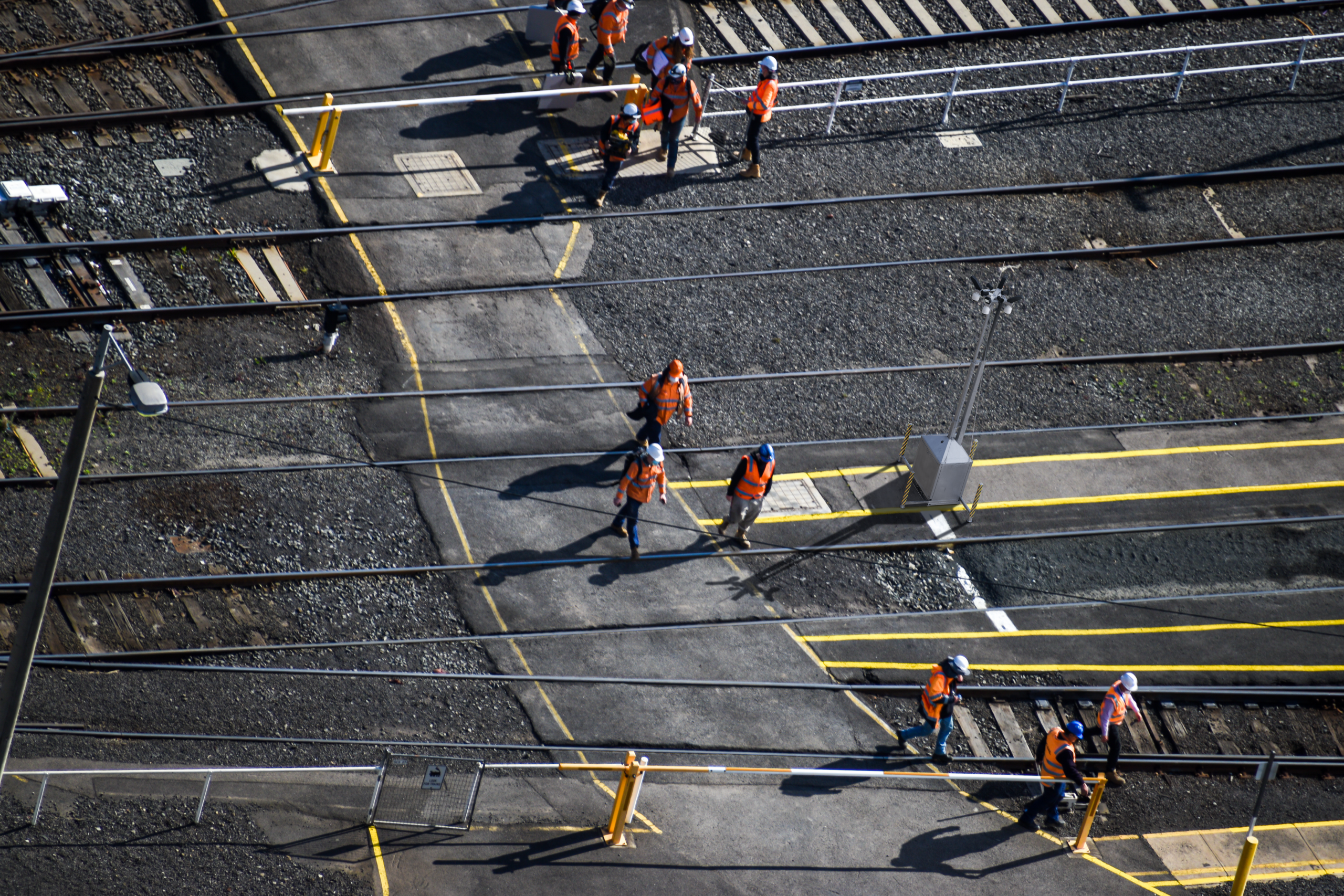
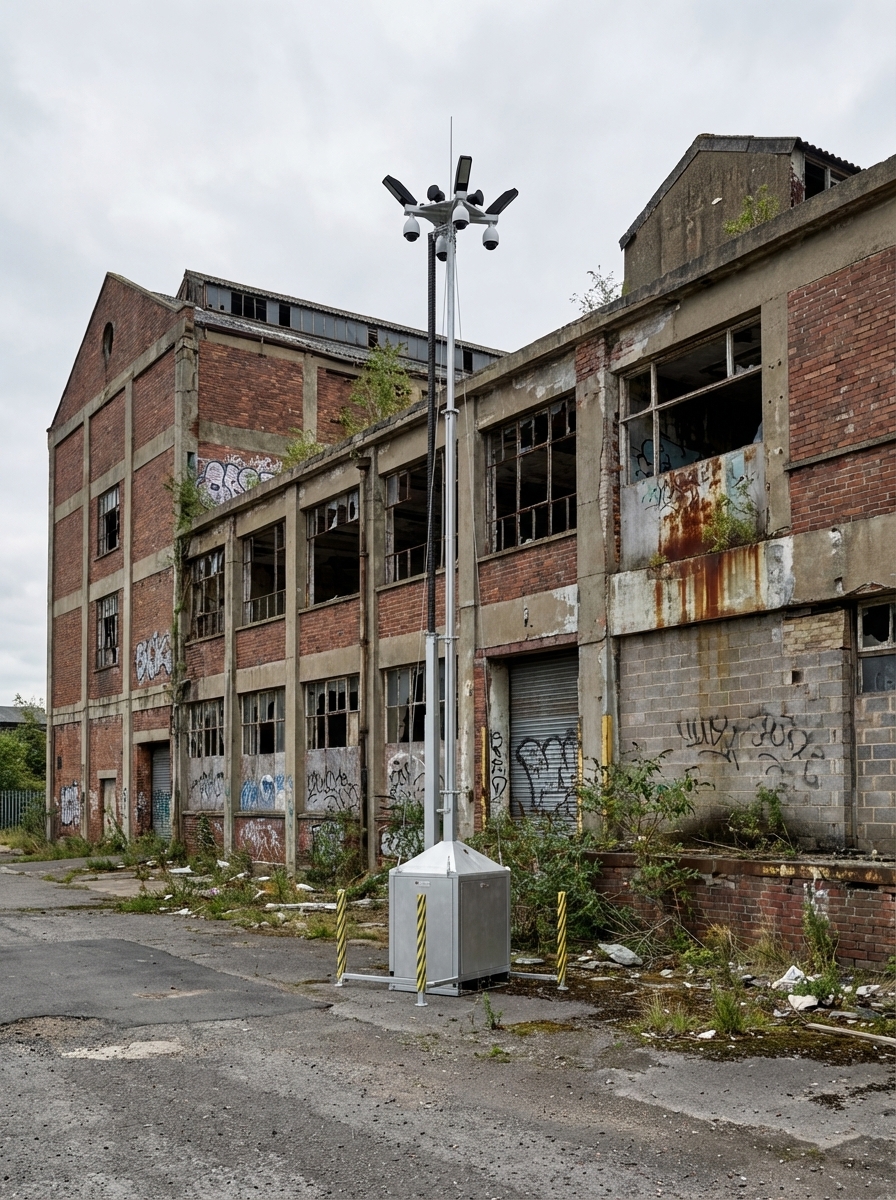
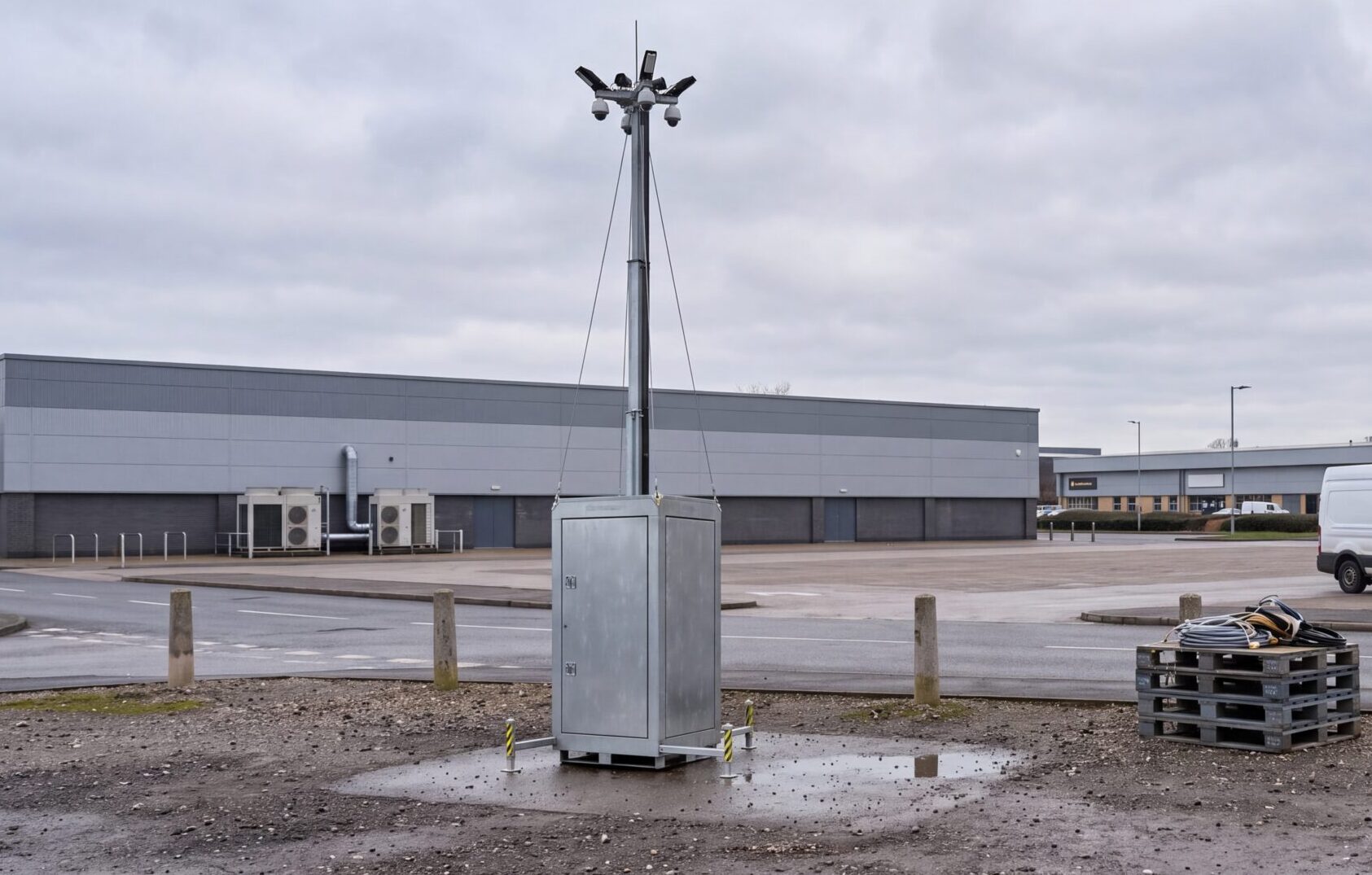
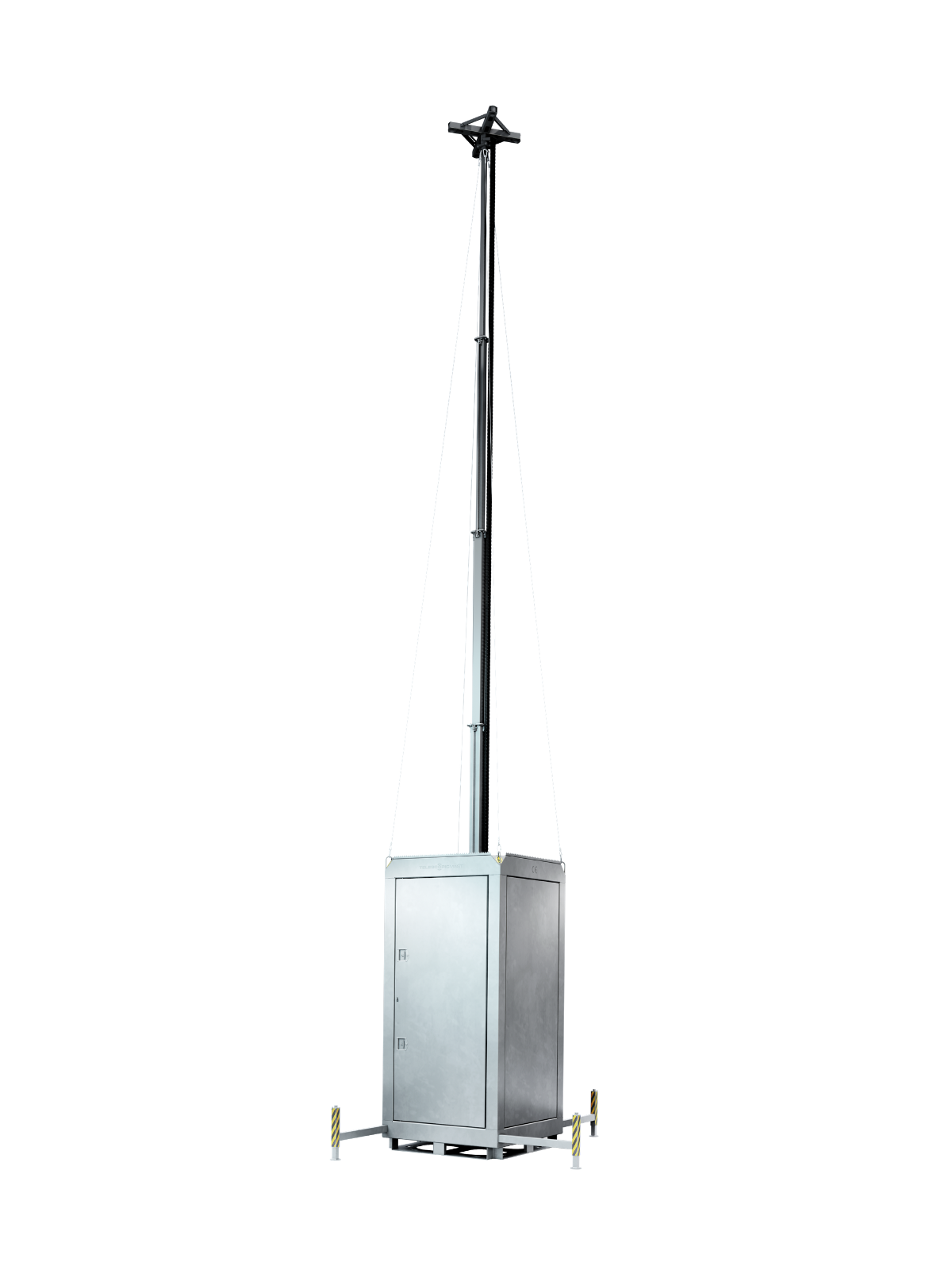
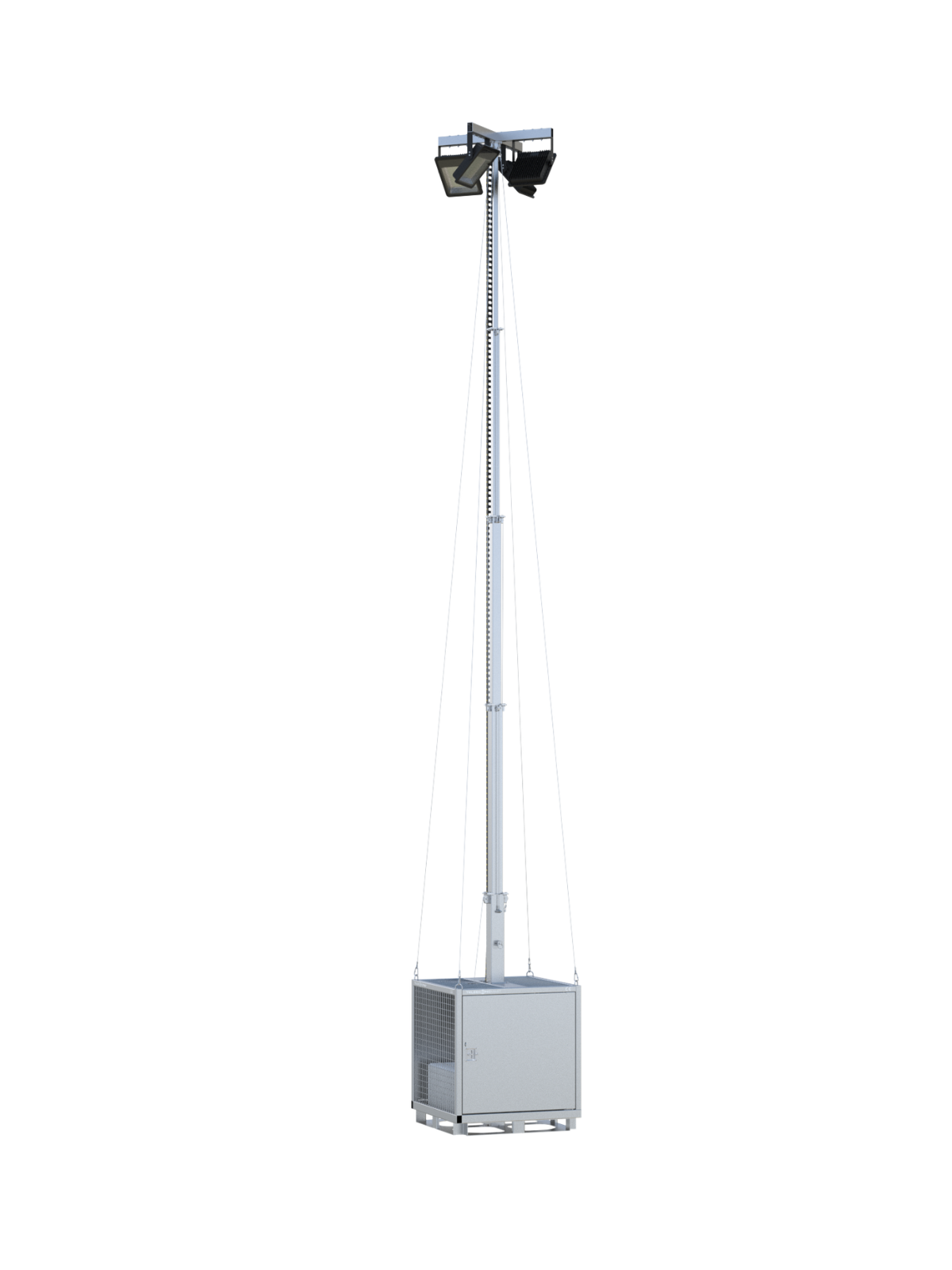
The call tends to come on a Friday. A site was hit last night, a programme has been pulled forward, or a permit has arrived with a security condition attached. Cover is needed before Monday, and the ground has no power, no fence and no camera position on it. A Mobile Tower Platform stands in under 15 minutes on a galvanised steel base, carries your cameras, your antenna and your own power source, and leaves again the week the project ends.


What the Platform Contributes to Rapid Deployment
Fifteen Minutes Is the Whole Job, Not the Mast Bit
The figure that matters is not how quickly the mast goes up. It is whether anything has to happen before it can. No foundation, no grid connection, no crane and no specialist crew, so the person who delivered it is also the person who finishes the deployment.

Demobilisation Is Half of Temporary
A temporary installation that is hard to remove is a permanent installation with a bad ending. The platform leaves the way it arrived, hands the ground back as it found it, and goes onto the next site without a refurbishment cycle in between.

Nothing to Wait For Before It Works
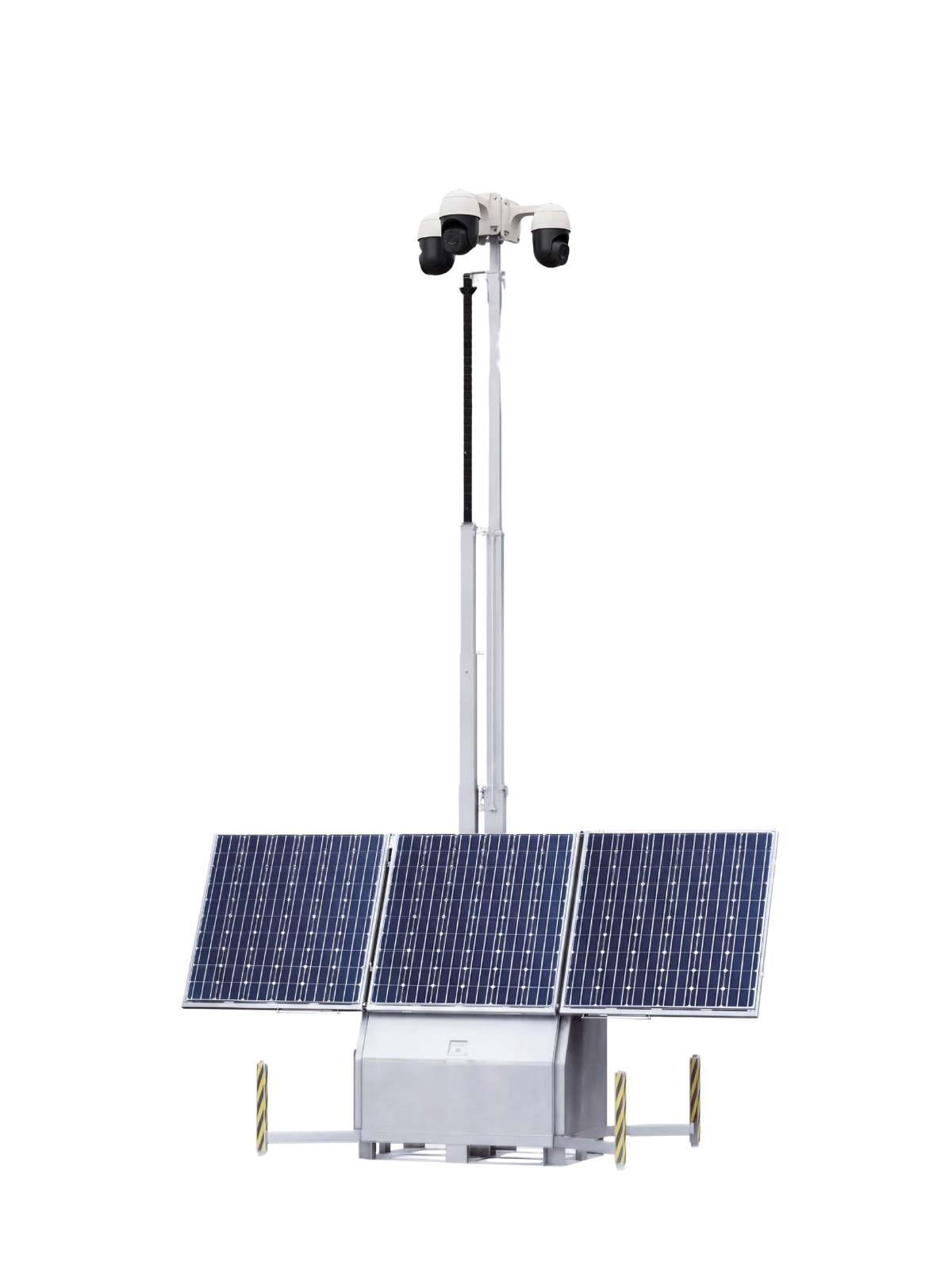
The two lead times that hold up a fixed installation are the power supply and the network. Both live inside the cabinet here. Solar, batteries and hydrogen or methanol fuel cells cover the power, 4G and 5G cover the link, and neither of them needs an application form.

Speed You Can Repeat, Not Just Achieve Once
One fast deployment is a good day. A fleet that deploys the same way every time is a business. Identical platforms, a repeatable set-up and mounting your own engineers already know mean the tenth site takes as long as the first and no longer.


Fifty platforms repositioned daily through Icelandic winters
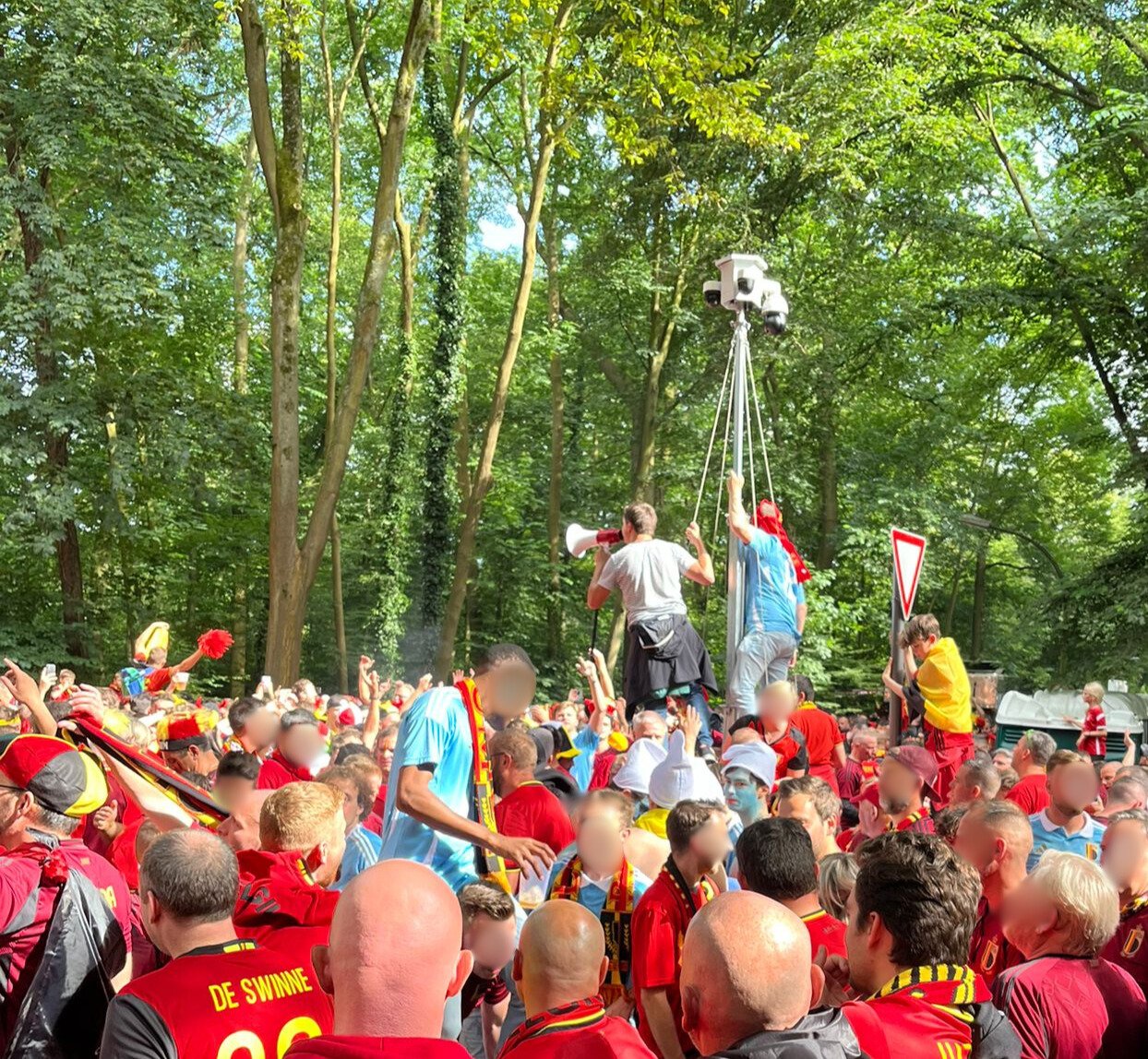
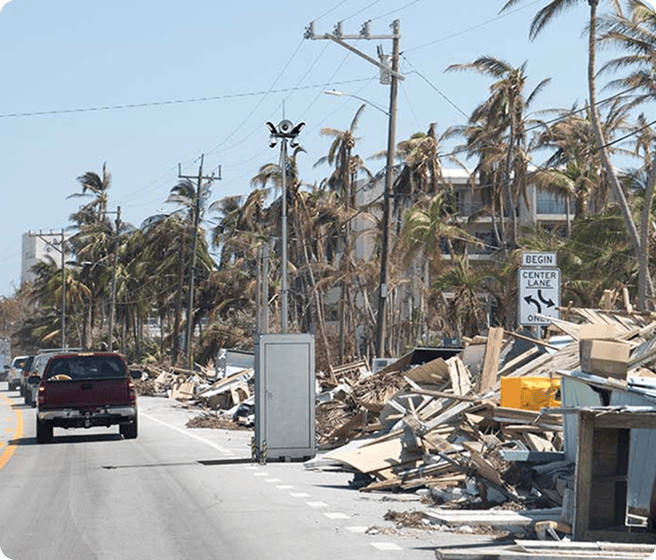
Vorn secures construction sites and events across Iceland, where the daylight runs out early for months and the weather does most of the arguing. Their platforms deploy in under 15 minutes, run on solar with battery backup and are moved daily without a specialist crew. Deployment speed is not an occasional event for them, it is the daily operating cost.
45 platforms reporting into an operator's own certified control room
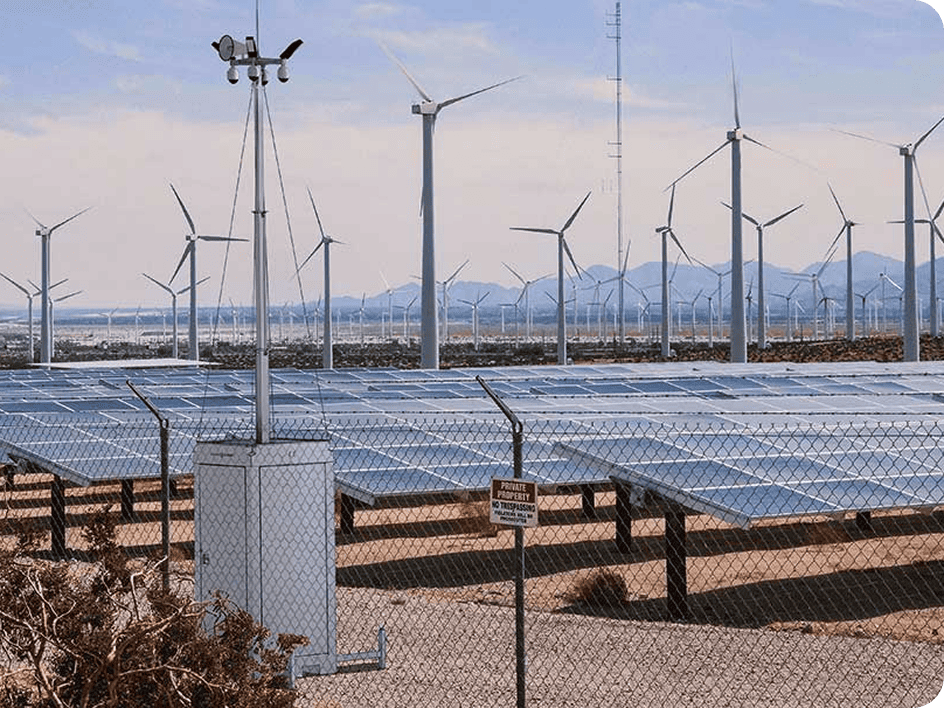
Vollmergruppe secures infrastructure projects, construction sites, car parks and vacant properties, and runs a TUV and VdS certified control centre of its own. Physical guarding was expensive and hard to scale across locations that change every few weeks. Fast deployment is what makes a short instruction worth accepting at all.

Cameras and Analytics
Power That Travels With It
Connectivity and Backhaul
Audio and Deterrence
Transport and Handling
Cameras and Analytics
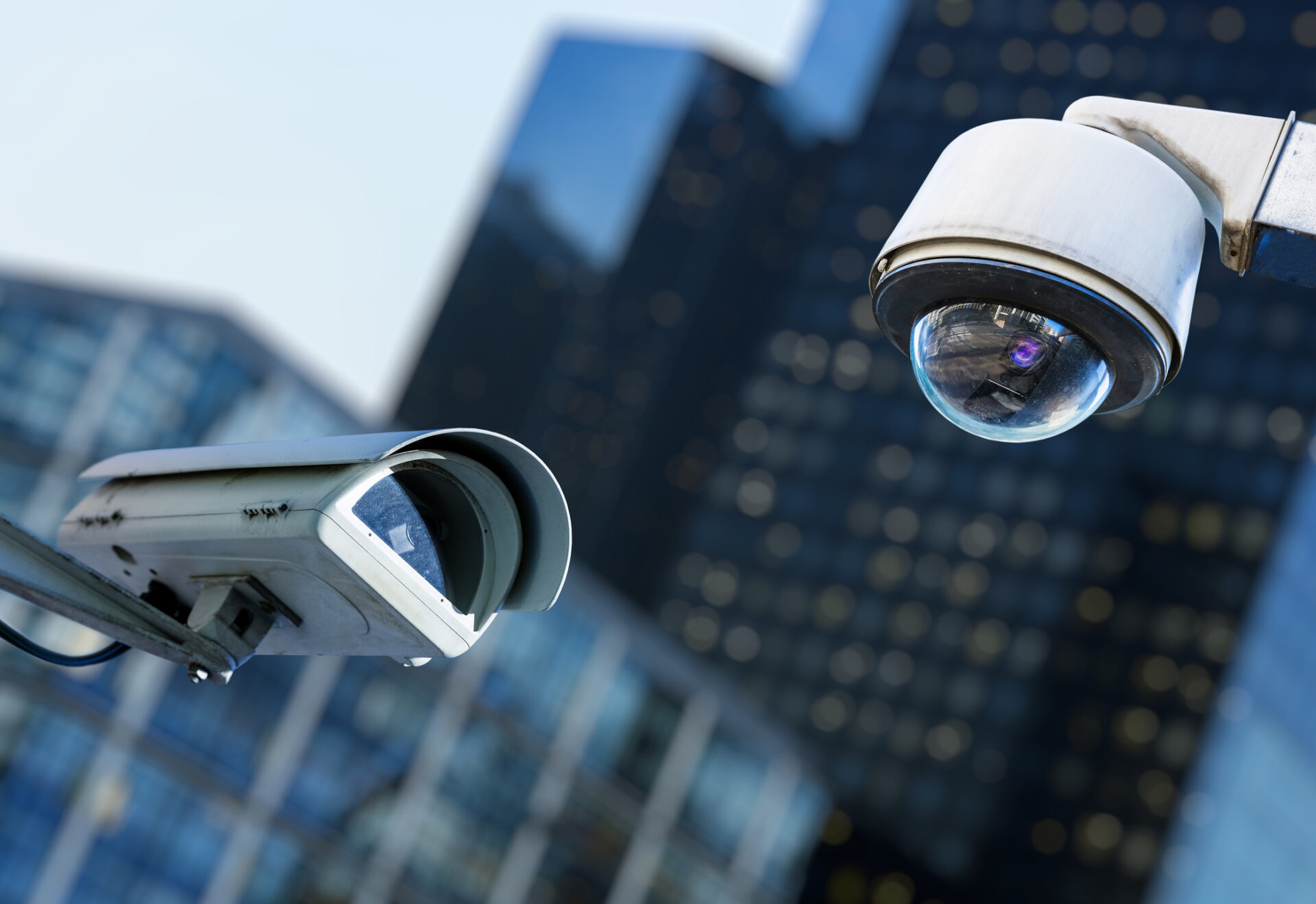
Most of the time lost on site goes on commissioning, not on lifting. Cameras, recorders and analytics that are configured and tested in your own yard turn the site visit into positioning and a power-up. Pre drilled mounting points and an IP66 patch box mean no drilling and no improvised brackets in the rain.
Common applications:
- Configure and test before it leaves the yard
- ONVIF cameras and the VMS you already run
- Fixed, PTZ and thermal on the same mast top
Important notice
TelescopicMast does not supply these accessories. Integration is done with technology partners based on your requirements.
Download Integration Brochure
Mast top payload, spoke dimensions and mounting options.
Power That Travels With It
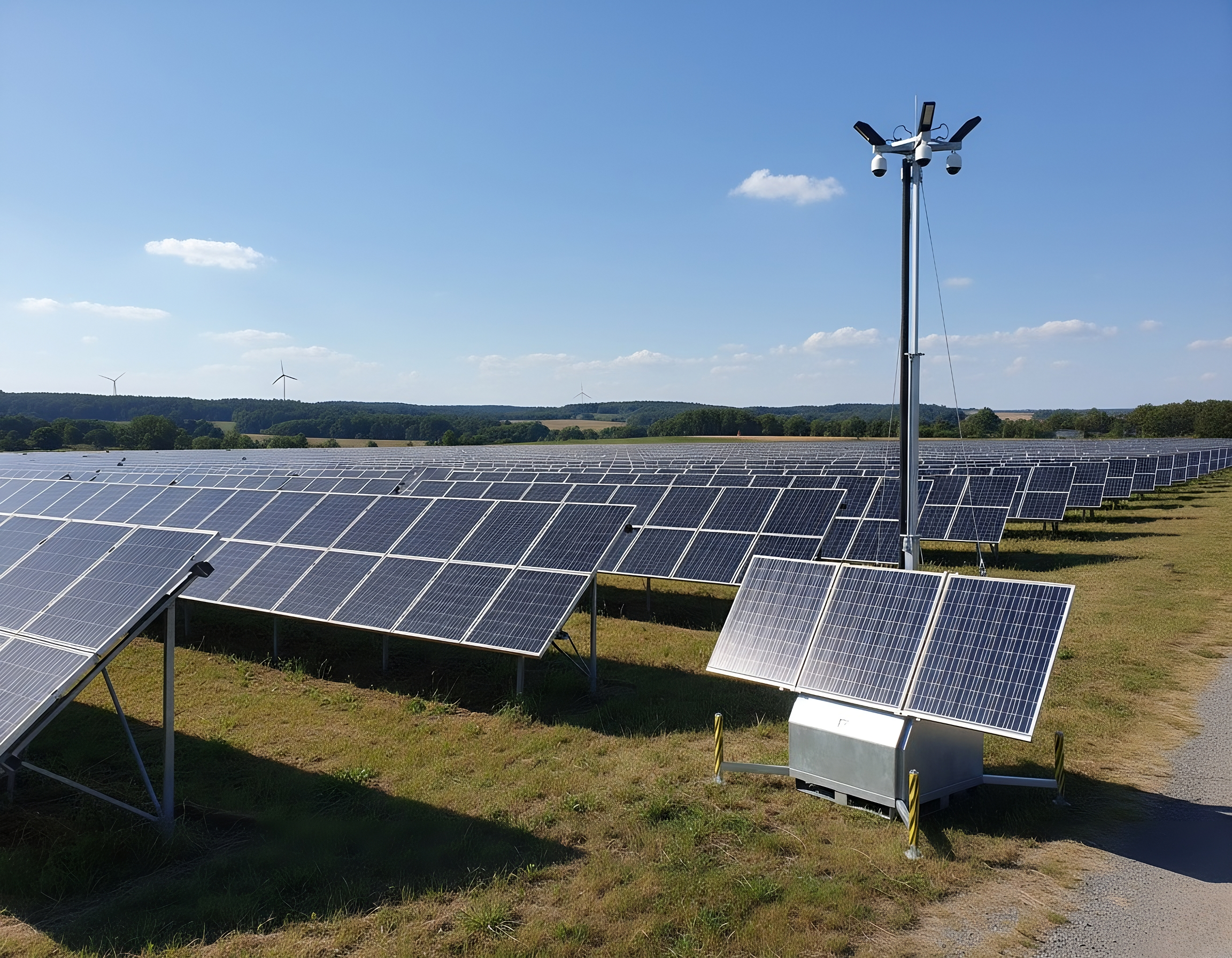
A grid connection is the single longest lead time on most temporary sites, so the fastest deployments simply do not ask for one. Batteries, solar and fuel cells all fit the same cabinet, and sizing them is arithmetic: the load, the hours, and the worst month of the year.
Common applications:
- 660 W solar on the MSB-Edge with your own batteries
- Hydrogen or methanol fuel cells for long winter runs
- Mains where the site already happens to have it
Important notice
TelescopicMast does not supply these accessories. Integration is done with technology partners based on your requirements.
Download Integration Brochure
Cabinet space, power budgets and off grid configurations.
Connectivity and Backhaul
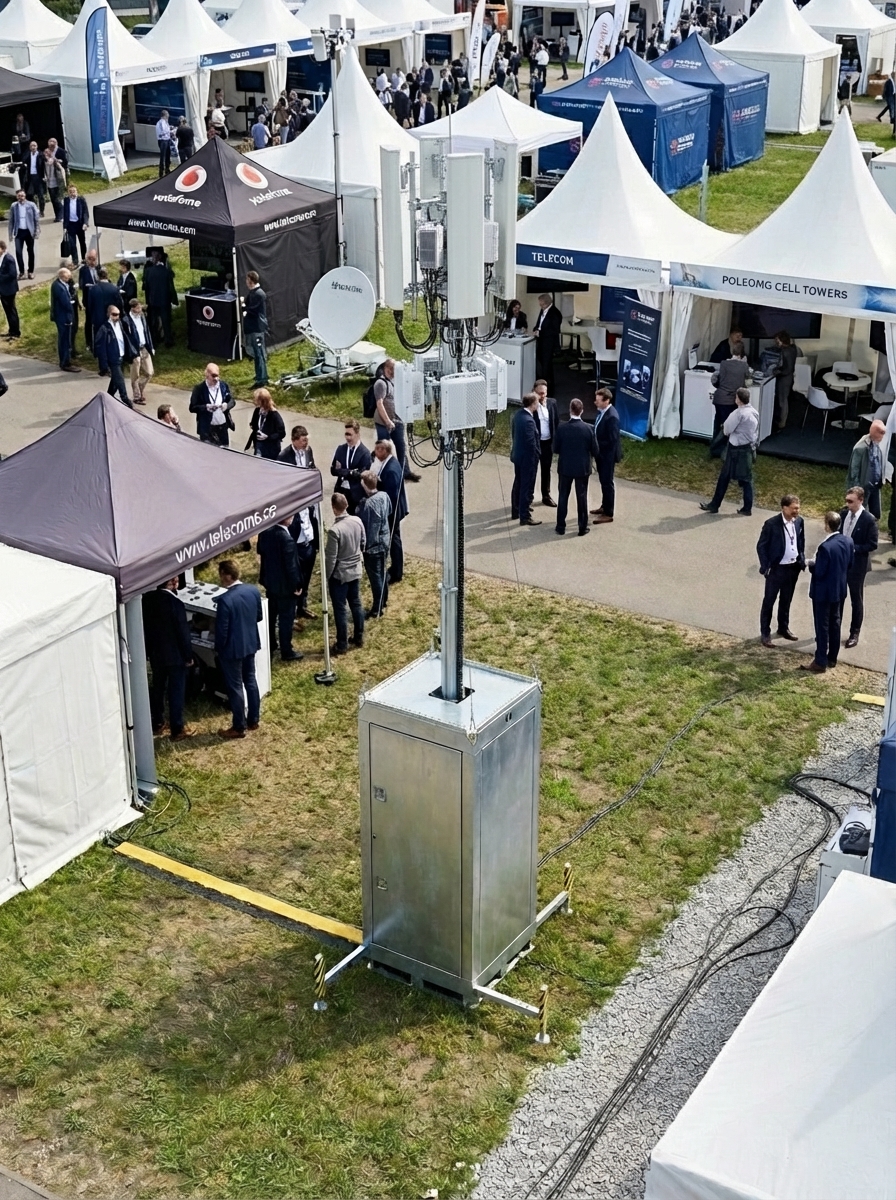
Cover that cannot report is not cover. A router and antenna at six metres usually finds a signal that a camera at ground level cannot, and the same mast will carry a private network for the site team once it is up there.
Common applications:
- 4G and 5G routers with dual SIM failover
- Point to point links where cellular is thin
- Private 5G and LTE for the site's own devices
Important notice
TelescopicMast does not supply these accessories. Integration is done with technology partners based on your requirements.
Download Integration Brochure
Connectivity options, patch box specification and remote management.
Audio and Deterrence
Speed is worth little if the response is slow. A speaker on the mast lets an operator challenge somebody in the same minute the detection lands, which is usually the difference between a recorded incident and a prevented one.
Common applications:
- Two way audio from the control room
- Spoken warnings before an escalation
- Four advertising panels for your own branding
Important notice
TelescopicMast does not supply these accessories. Integration is done with technology partners based on your requirements.
Download Integration Brochure
Mounting, cable routing and power for audio equipment.
Transport and Handling
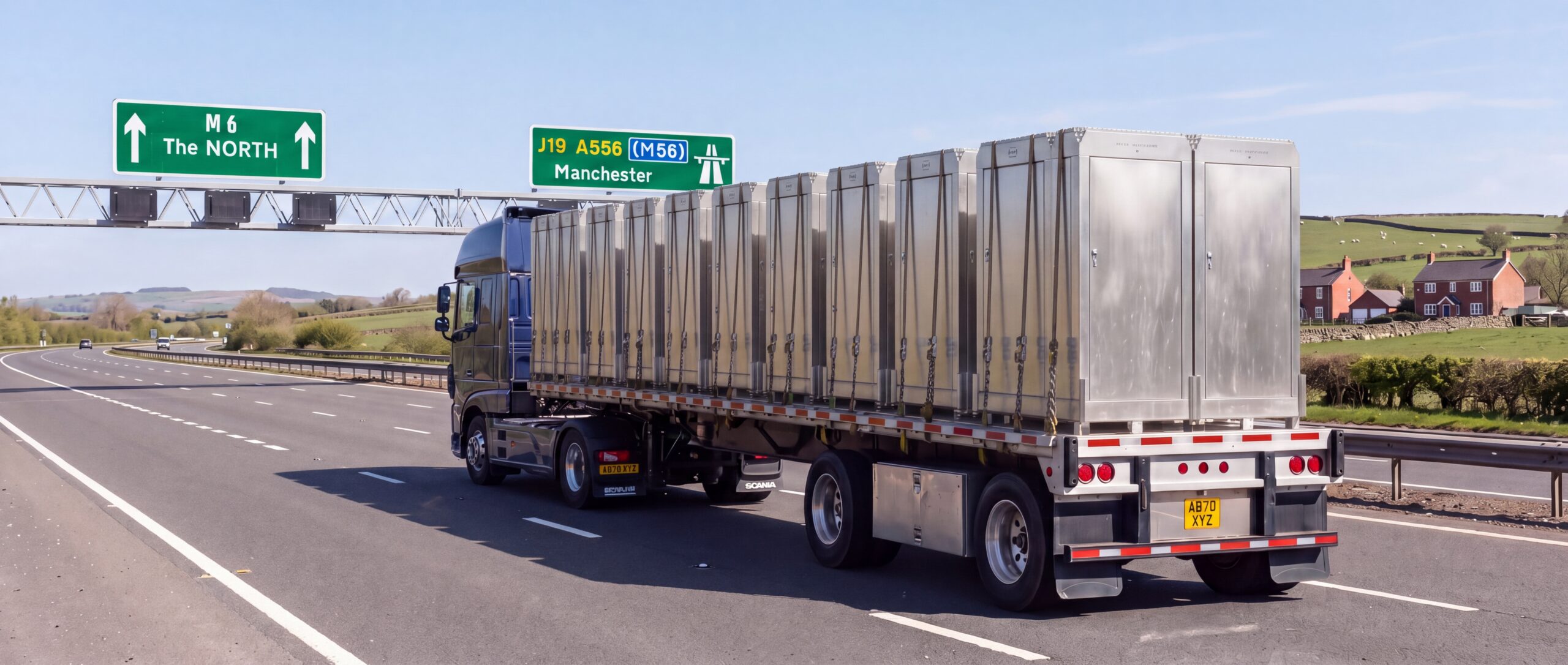
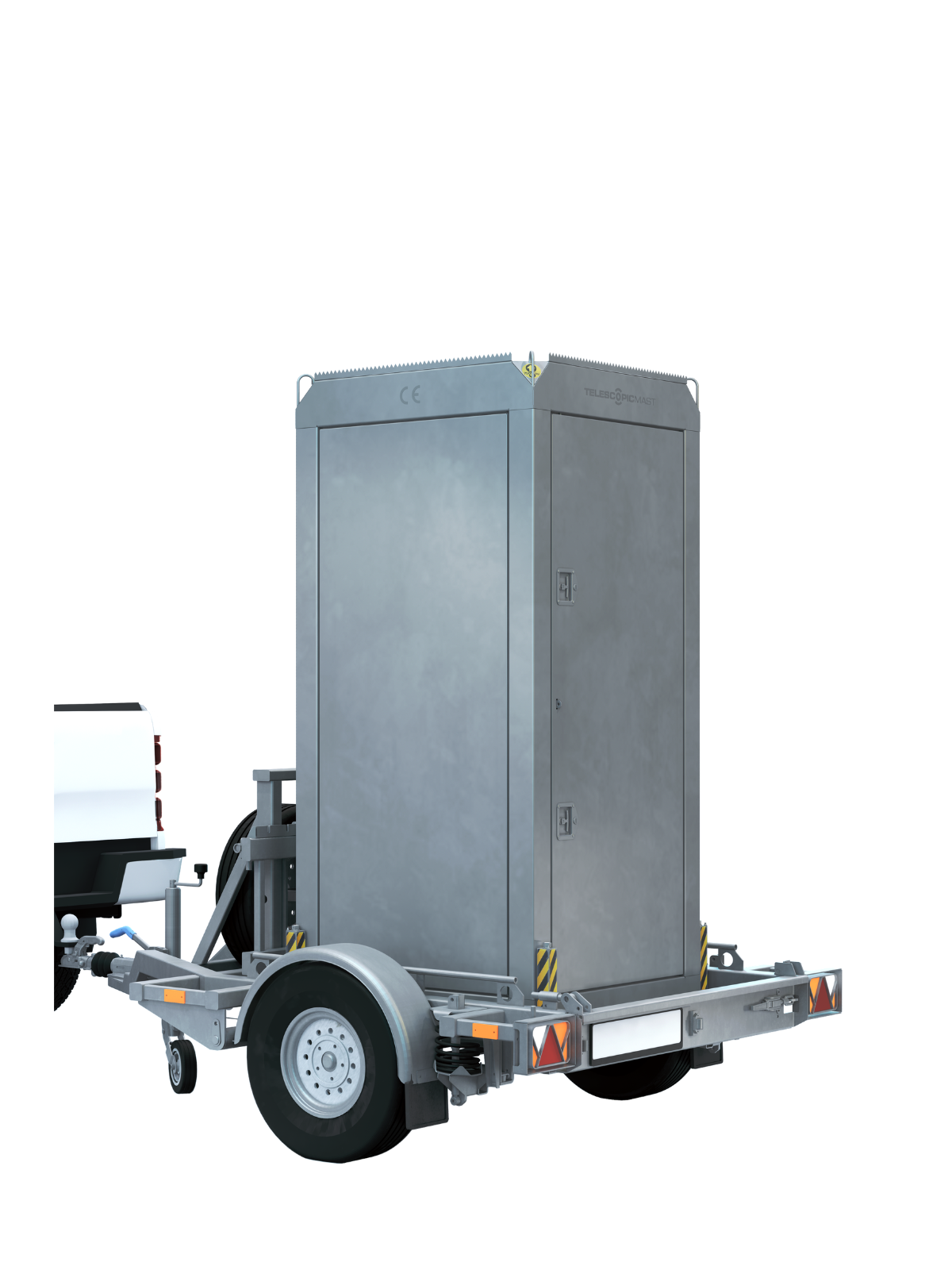
The transport decision quietly sets the deployment time. A platform that needs a flatbed and a forklift is a two person job with a booking attached, where a towable unit is one van and one driver. Pick that end of it deliberately.
Common applications:
- MSB-Roadbox at 365 kg, towable on a B licence
- TMT trailers with hydraulic tilt, no forklift needed
- Forklift slots on four sides for yard handling
Important notice
TelescopicMast does not supply these accessories. Integration is done with technology partners based on your requirements.
Download Integration Brochure
Trailer options, weights and transport dimensions.


Get in Touch
Have questions about our Mobile Tower Platforms? Our sales team is ready to help you find the perfect solution for your security needs.