

Remote Site Security and Monitoring for Sites With Nobody on Them
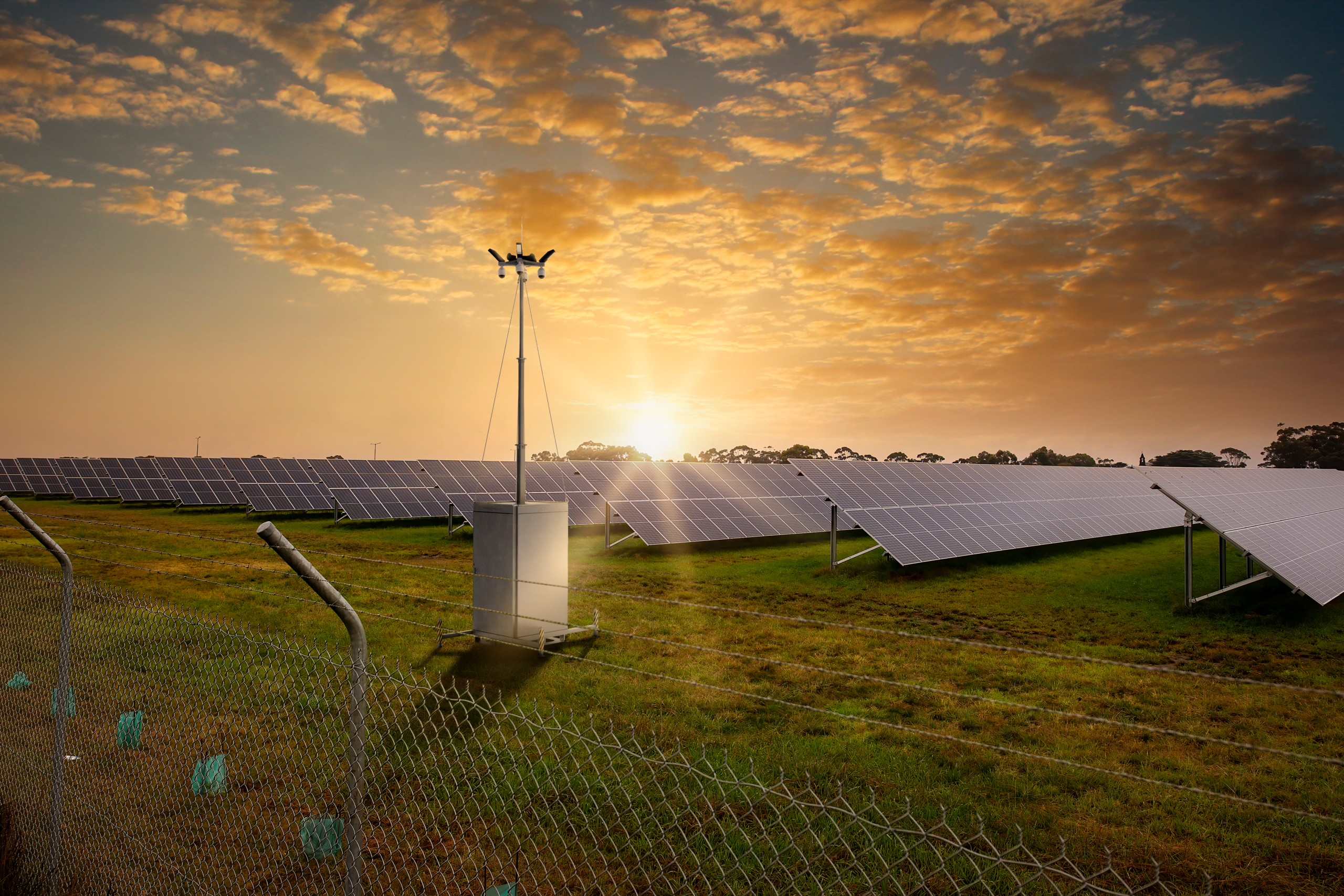
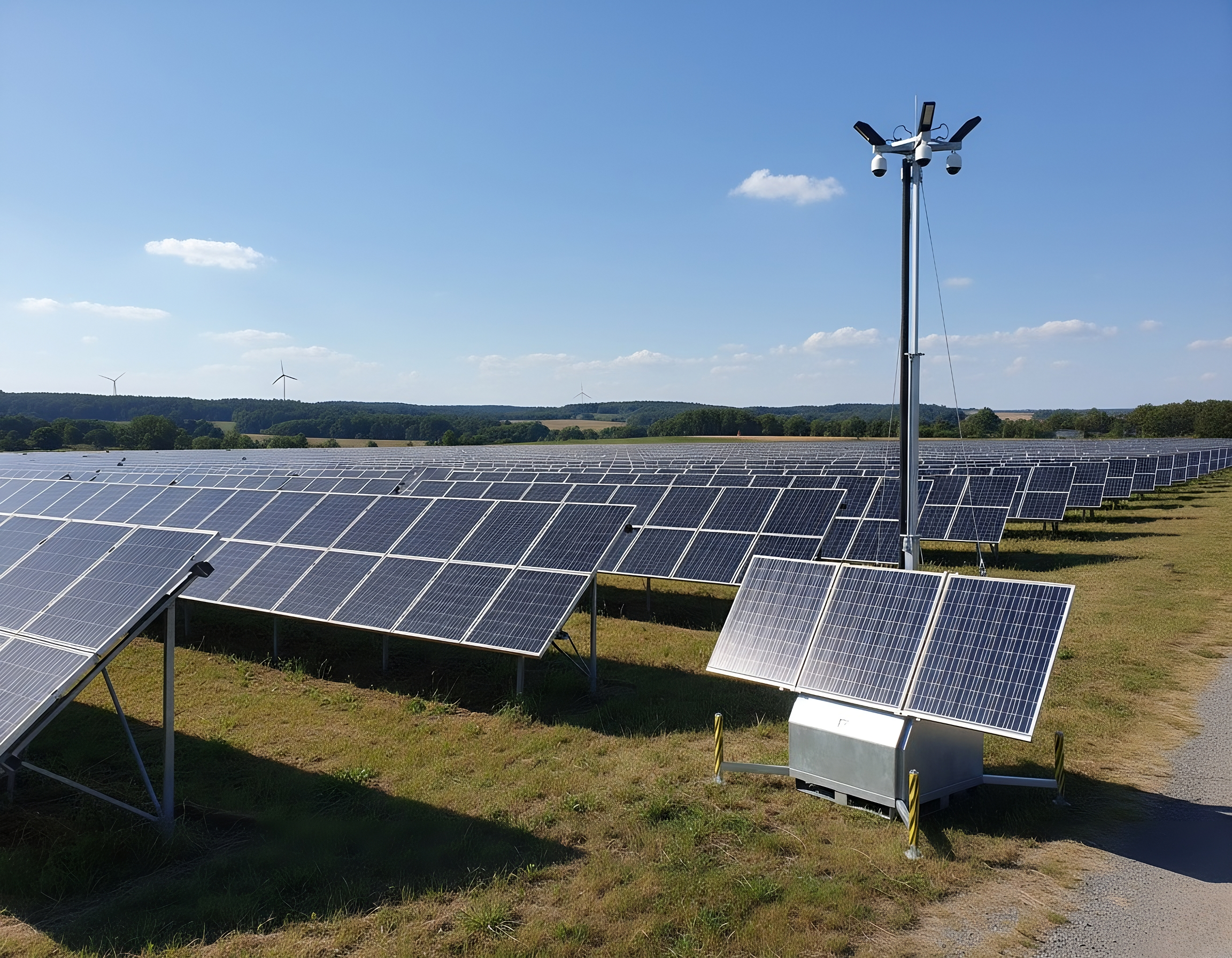
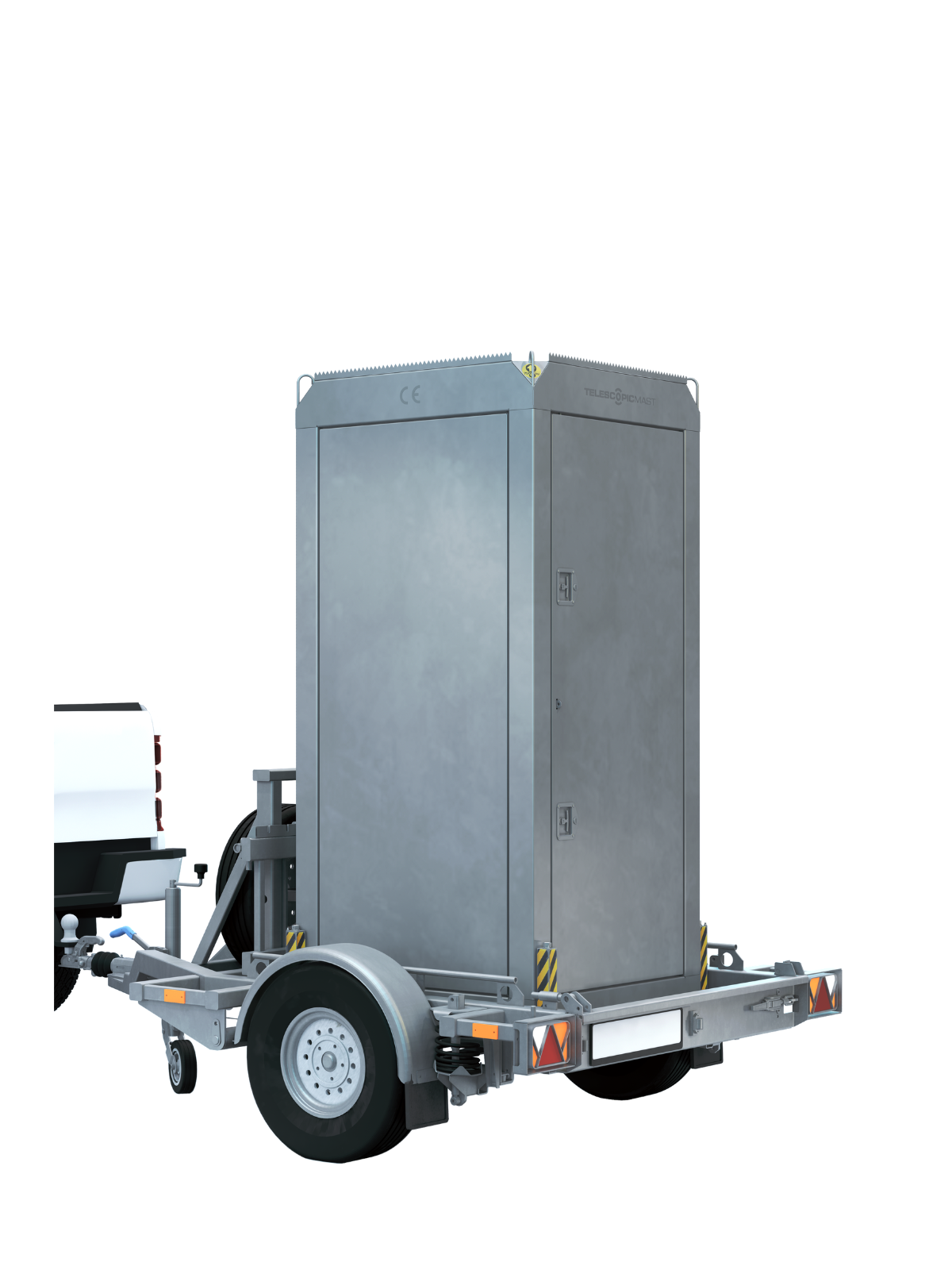
Nobody is on the ground, so the control room is the only pair of eyes the site has. Remote CCTV monitoring stands or falls on whether the images actually leave the location. A Mobile Tower Platform puts the camera, the antenna and the power source on one base 20 ft up, standing in under 15 minutes, with no groundwork and no grid connection.

One base, one sight line, one uplink
No groundwork, no grid connection
Typical stand time on a single site
95 pages of test documentation
What the Platform Contributes to Remote CCTV Monitoring

The Uplink Rides on the Same Mast as the Camera
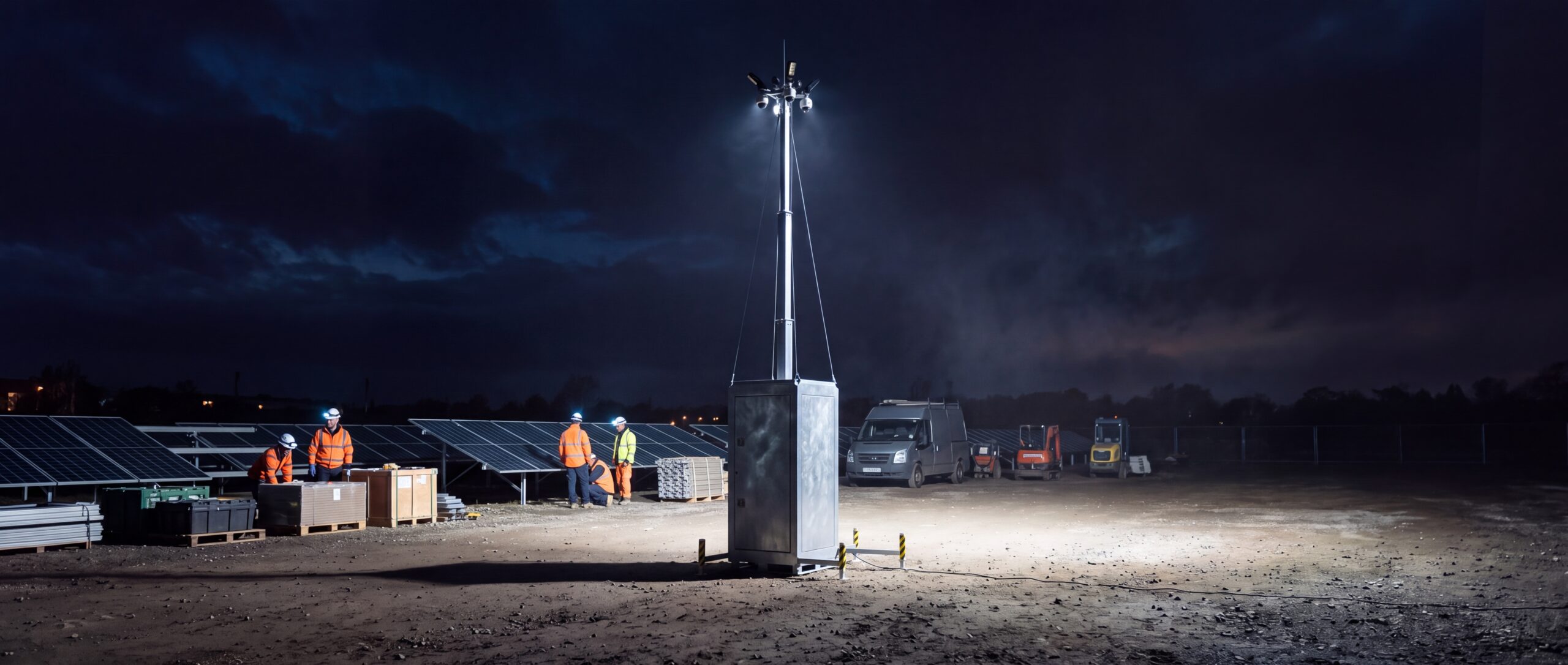
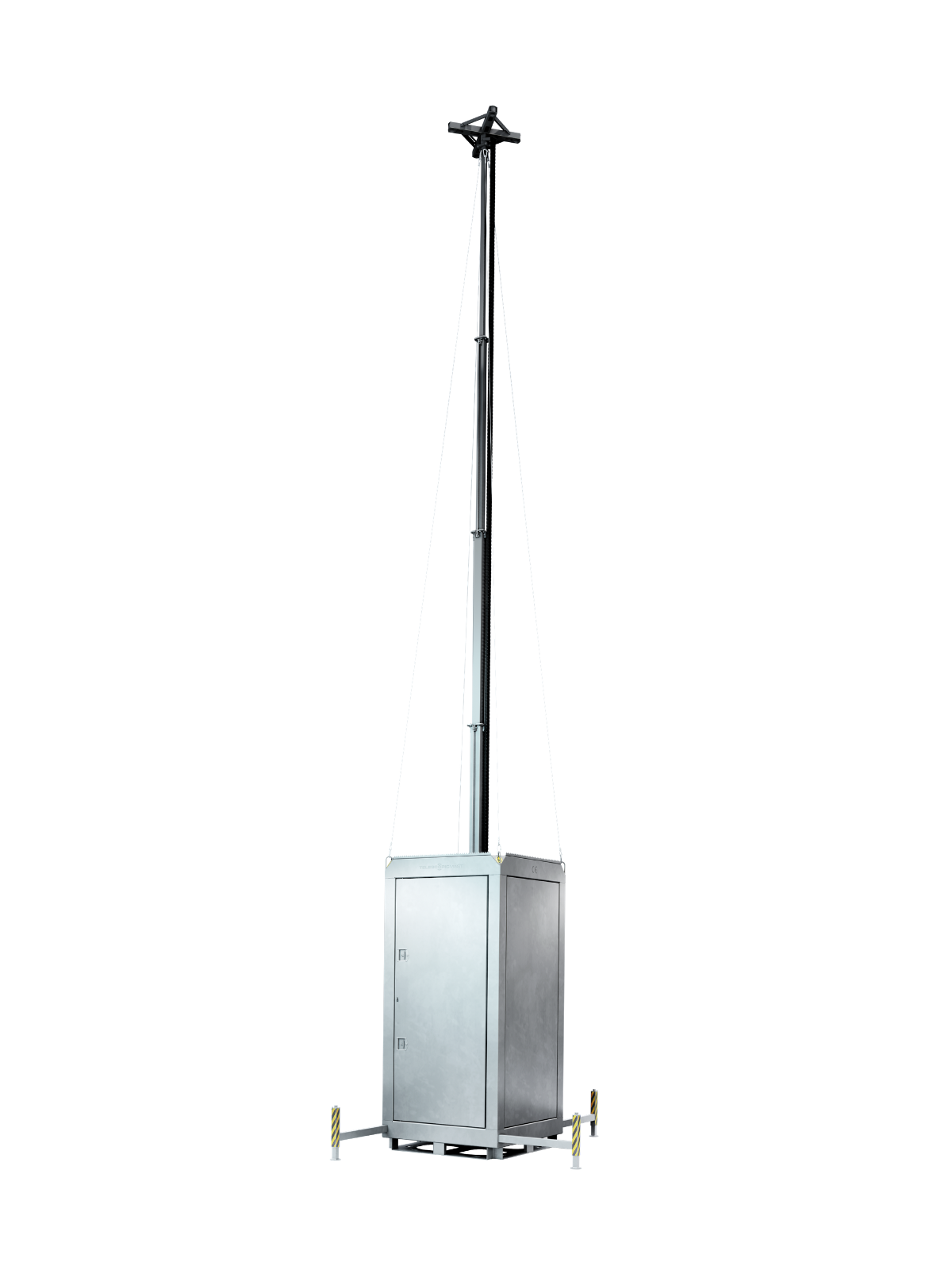
Remote monitoring is a live link before it is anything else, and ground level is where a cellular link quietly degrades. The mast top carries the antenna next to the camera, 20 ft above the vehicles and the stacked material, with dual cabling running inside the mast to an IP66 patch box.

Every False Activation Is a Paid Operator Minute
A monitored site is costed per event, and a camera that moves in the wind reads as motion at three in the morning. Analytics handle the software half. Four stainless steel 316 stay cables and four extendable stabilisers handle the mechanical half, so the operator is looking at movement on the ground rather than movement of the mast.

Continuous Transmission Is a Power Budget
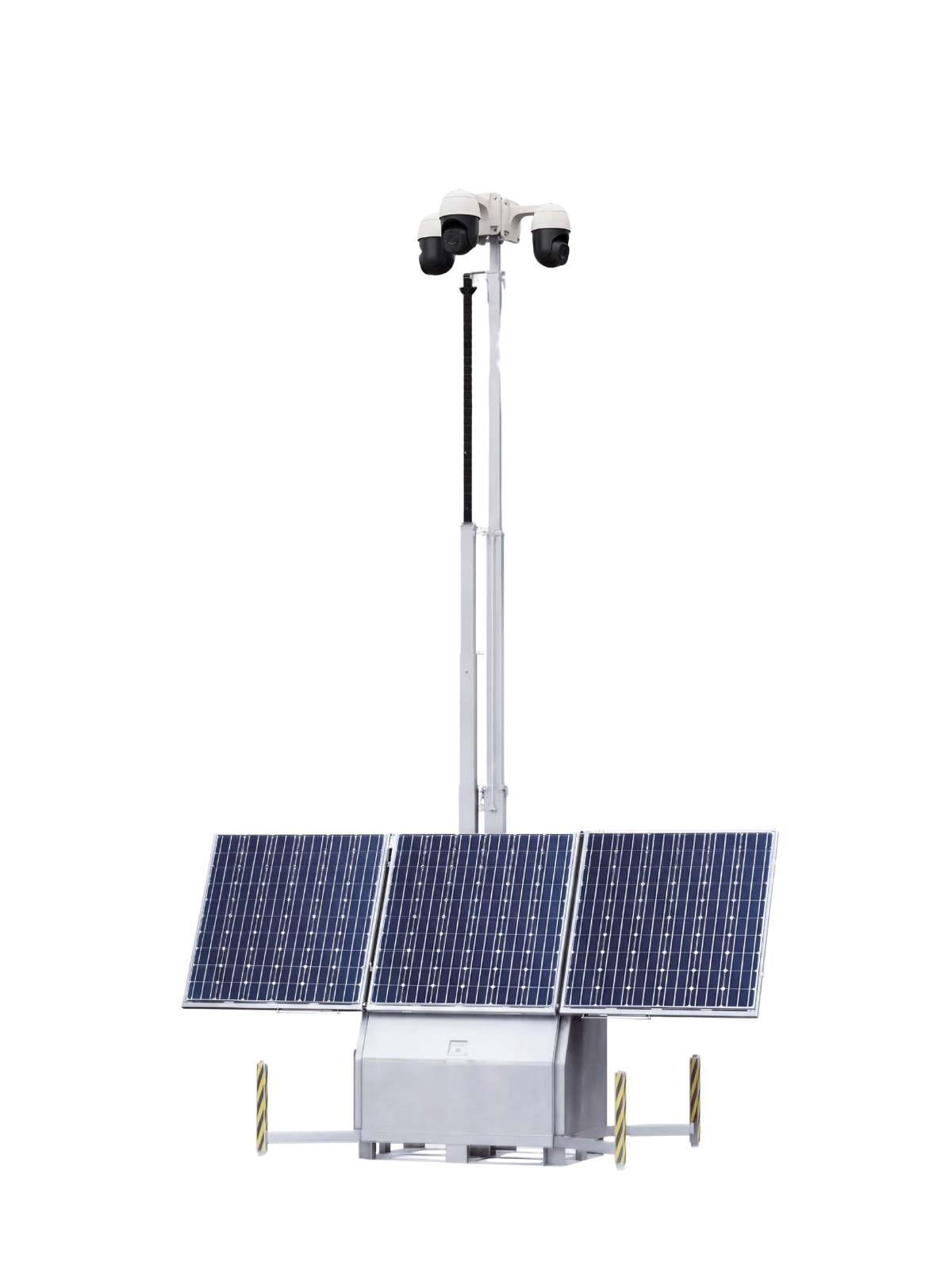
Monitored CCTV does not sleep between events, and a remote site rarely has a socket where the risk sits. The galvanised cabinet takes your own batteries and hydrogen or methanol fuel cells, and the MSB-Edge carries three 220 W panels for 660 W of solar.

Nobody Is There to Interrupt an Attack on the Cabinet
On a manned site an attempt on the equipment gets interrupted. On a remotely monitored one it does not, so the platform has to survive the attempt on its own. Cameras below 15 ft can be reached from the ground, which is why the payload sits at 20 ft and the cabinet cannot be climbed or opened at ground level.
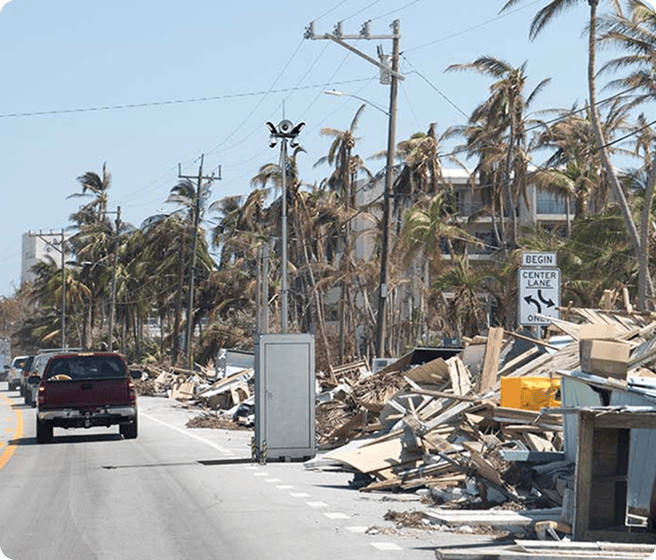


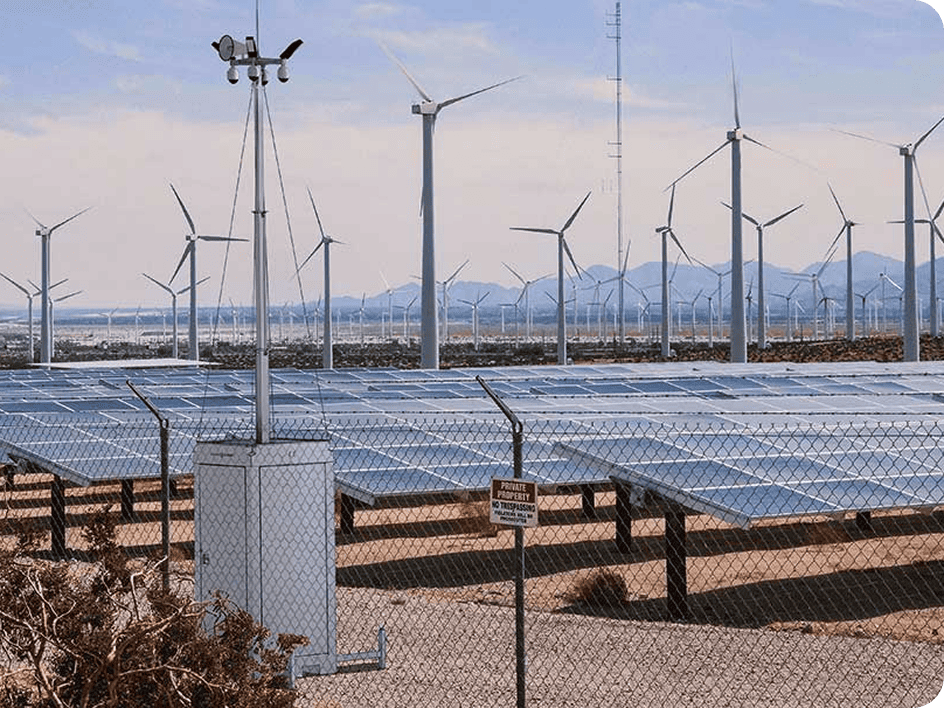
45 platforms reporting into one certified control centre, no personnel on site
Vollmergruppe runs a TUV and VdS certified control centre and secures infrastructure projects, construction sites, car parks and vacant properties. Physical guarding was expensive and hard to scale across temporary and frequently changing locations, so the coverage moved onto platforms instead. 45 units now report into their own control room around the clock.
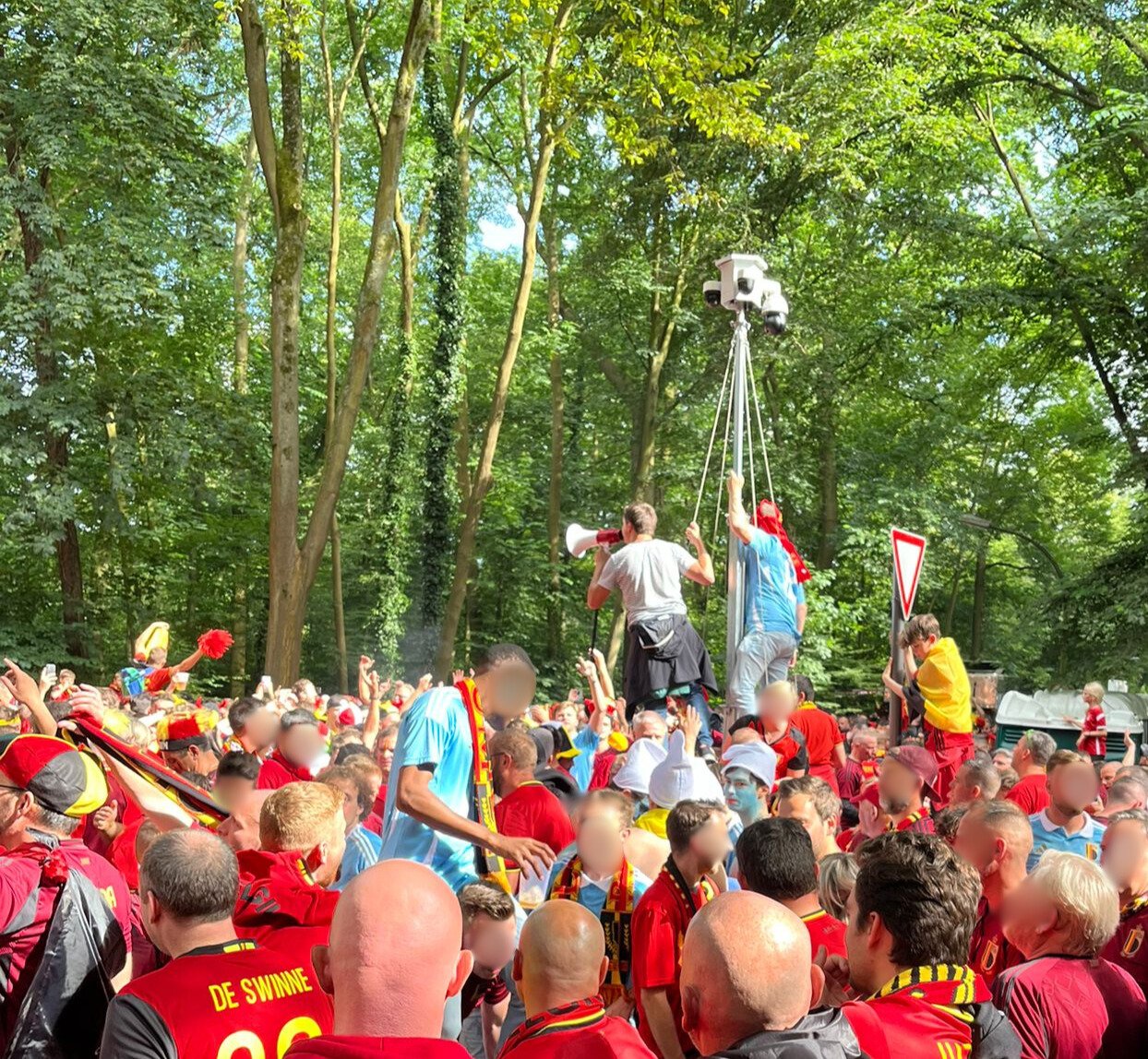
159 platforms feeding one monitoring position across 21 venues
The XXII Commonwealth Games gave Wilson James a fixed date and 21 venues with no permanent surveillance infrastructure. 159 platforms went in inside a single week, feeding AI analytics and a central monitoring position, and the games ran without a major security incident being reported.

Cameras & Thermal
Connectivity & Transmission
Detection & Analytics
Audio & Lighting
Power & Autonomy
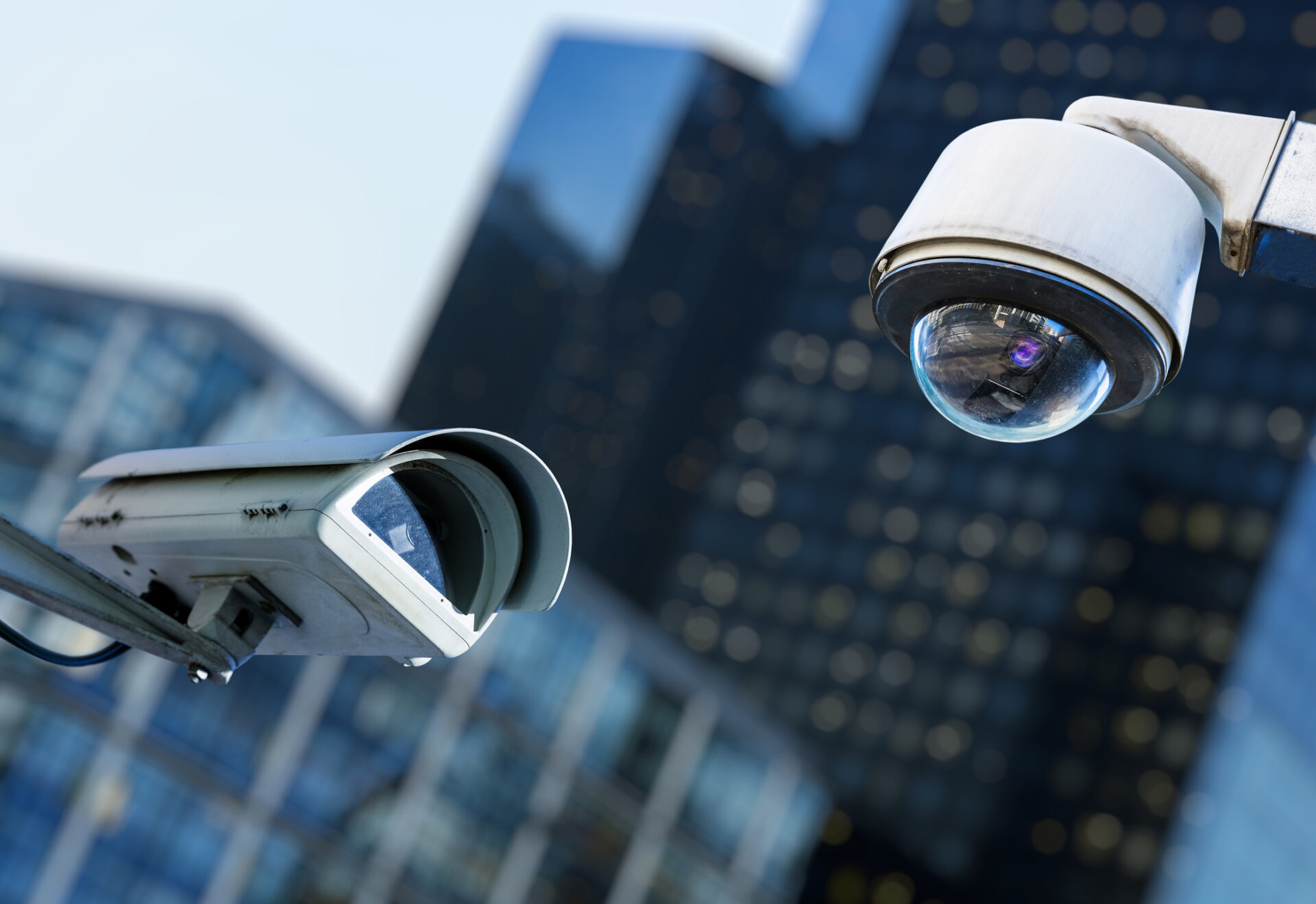
Cameras & Thermal
An operator can only act on what the image shows. PTZ cameras for follow up, fixed cameras for the scene, thermal imagers for detection in darkness, fog and rain. The four spoke mast top carries 130 lbs, so the verification camera and the detection camera can sit on the same platform.
Common applications:
- Verification for the control room
- Night time cover on unmanned sites
- PTZ follow up on a live activation
Important notice
TelescopicMast does not supply these accessories. Integration is done with technology partners based on your requirements.
Download Integration Brochure
Mast top payload, spoke dimensions and mounting options for cameras and thermal imagers.
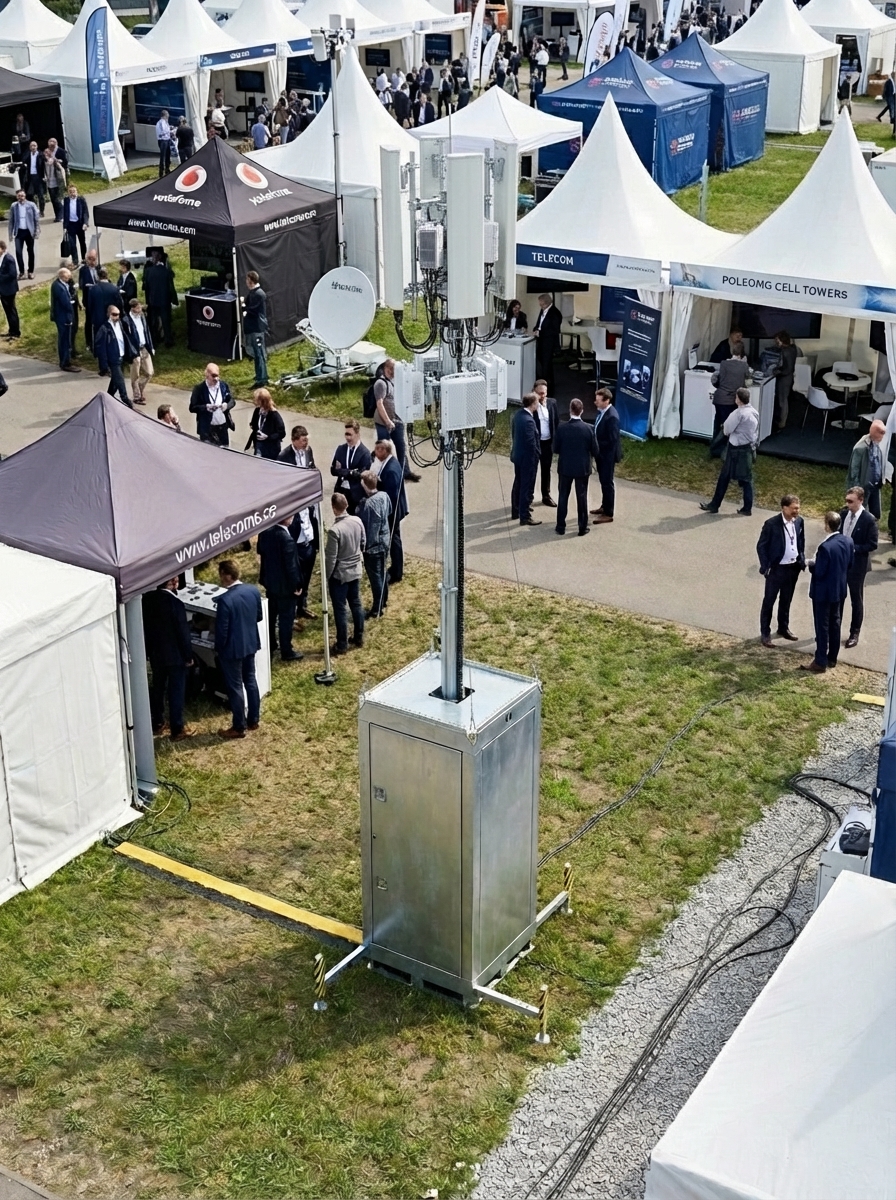
Connectivity & Transmission
This is the part that decides whether the site is monitored or merely recorded. Routers, modems and antennas mount at the mast top rather than in the cabinet, clear of the vehicles and material that sit at ground level, with dual cabling running inside the mast to an IP66 patch box.
Common applications:
- 4G and 5G to your alarm receiving centre
- Antenna mounting clear of ground clutter
- Point to point links between platforms
Important notice
TelescopicMast does not supply these accessories. Integration is done with technology partners based on your requirements.
Download Integration Brochure
Cable routing, patch box specification and antenna mounting options for transmission equipment.
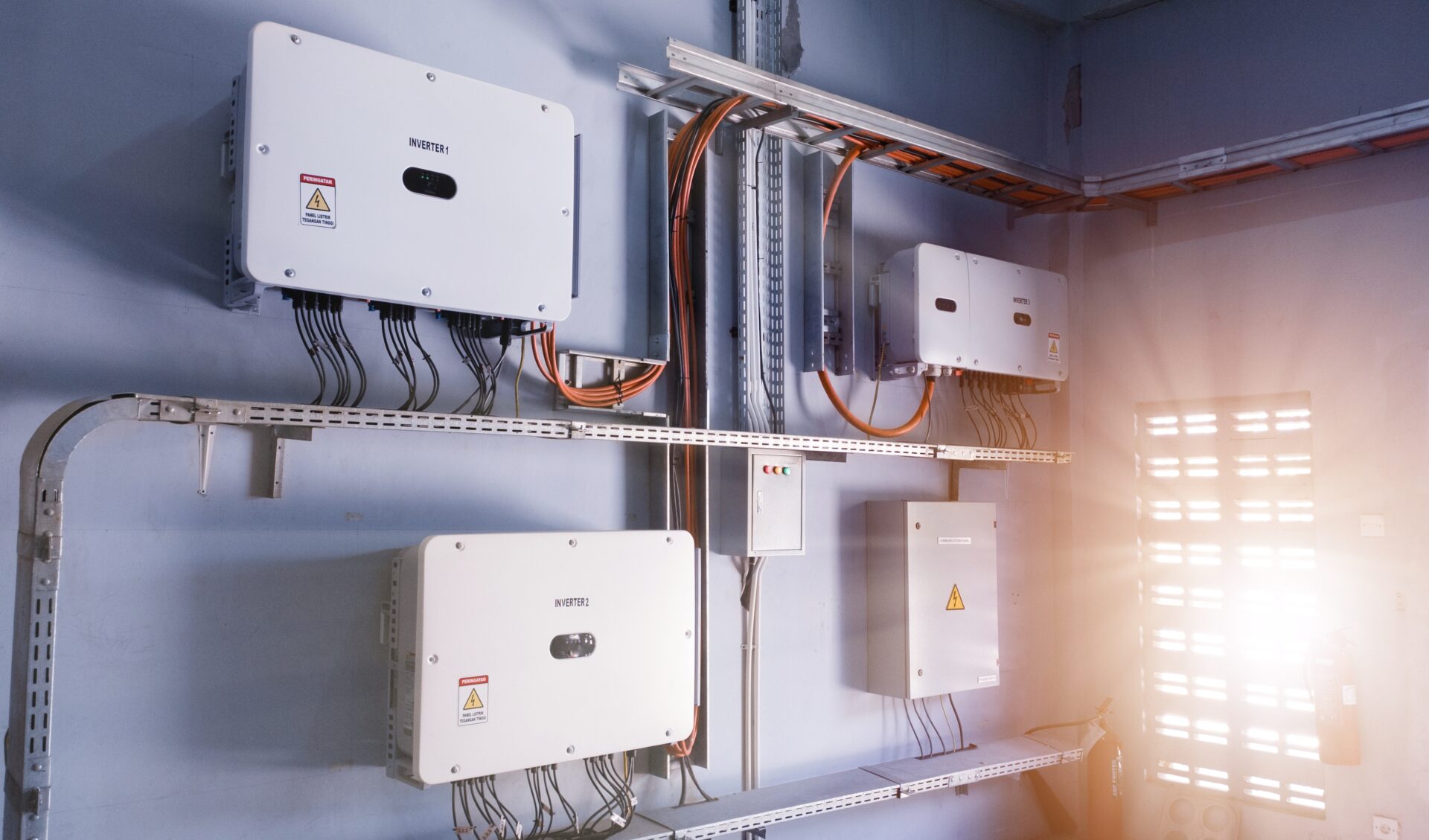
Detection & Analytics
What reaches the operator should already have been filtered. PIR, radar and object based analytics decide whether something is a person, a vehicle or a fox, at the edge or inside your own VMS. Radar wants a lower mounting position than the cameras do, and a telescopic mast offers both levels on one base.
Common applications:
- Edge analytics and AI filtering
- Integration with your own VMS
- Multiple mounting levels on one mast
Important notice
TelescopicMast does not supply these accessories. Integration is done with technology partners based on your requirements.
Download Integration Brochure
Mounting positions, cable routing and power options for detection sensors and edge devices.
Audio & Lighting
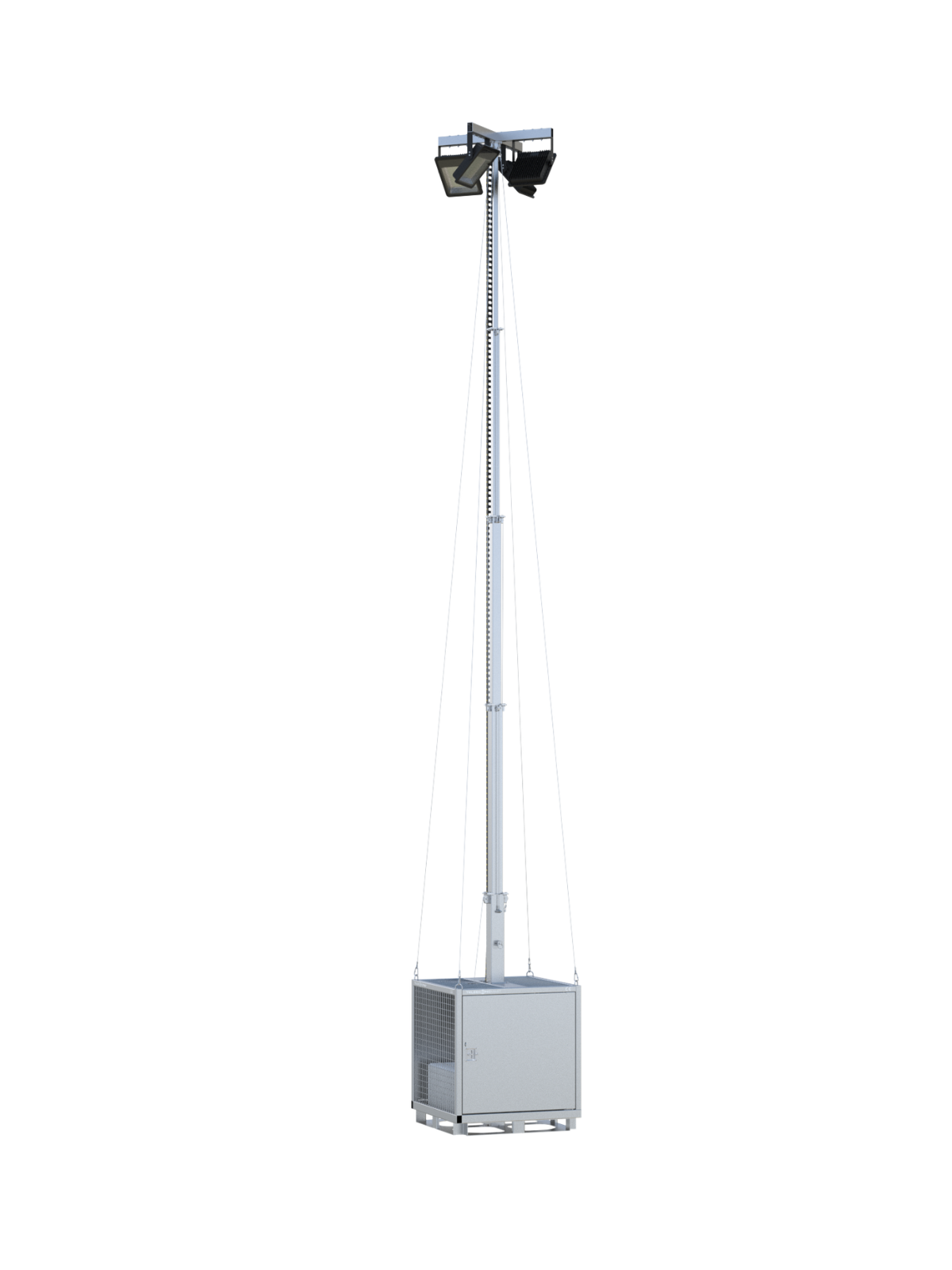
Remote monitoring earns its keep in the seconds after an activation, and that is where a speaker beats a recording. Two way audio lets the operator challenge someone while they are still on the terrain, and lighting turns a dark corner into footage a client can use.
Common applications:
- Live audio challenge from the control room
- Floodlighting for deterrence and image quality
- Low disturbance lighting in built up areas
Important notice
TelescopicMast does not supply these accessories. Integration is done with technology partners based on your requirements.
Download Integration Brochure
Payload, power draw and mounting options for audio and lighting equipment.
Power & Autonomy
Continuous transmission on a site with no mains is an energy calculation, not a wish. The cabinet has space for your own batteries, the MSB-Edge adds 660 W of solar across three panels, and hydrogen or methanol fuel cells cover the weeks when the sun does not show up.
Common applications:
- 660 W solar on the MSB-Edge
- Battery and fuel cell space in the cabinet
- Grid, solar and hybrid configurations
Important notice
TelescopicMast does not supply these accessories. Integration is done with technology partners based on your requirements.
Download Integration Brochure
Power budgets, battery space and off grid configurations for long monitored deployments.


Get in Touch
Have questions about our Mobile Tower Platforms? Our sales team is ready to help you find the perfect solution for your security needs.