

Temporary Private 5G Network and LTE Coverage Without Building a Mast
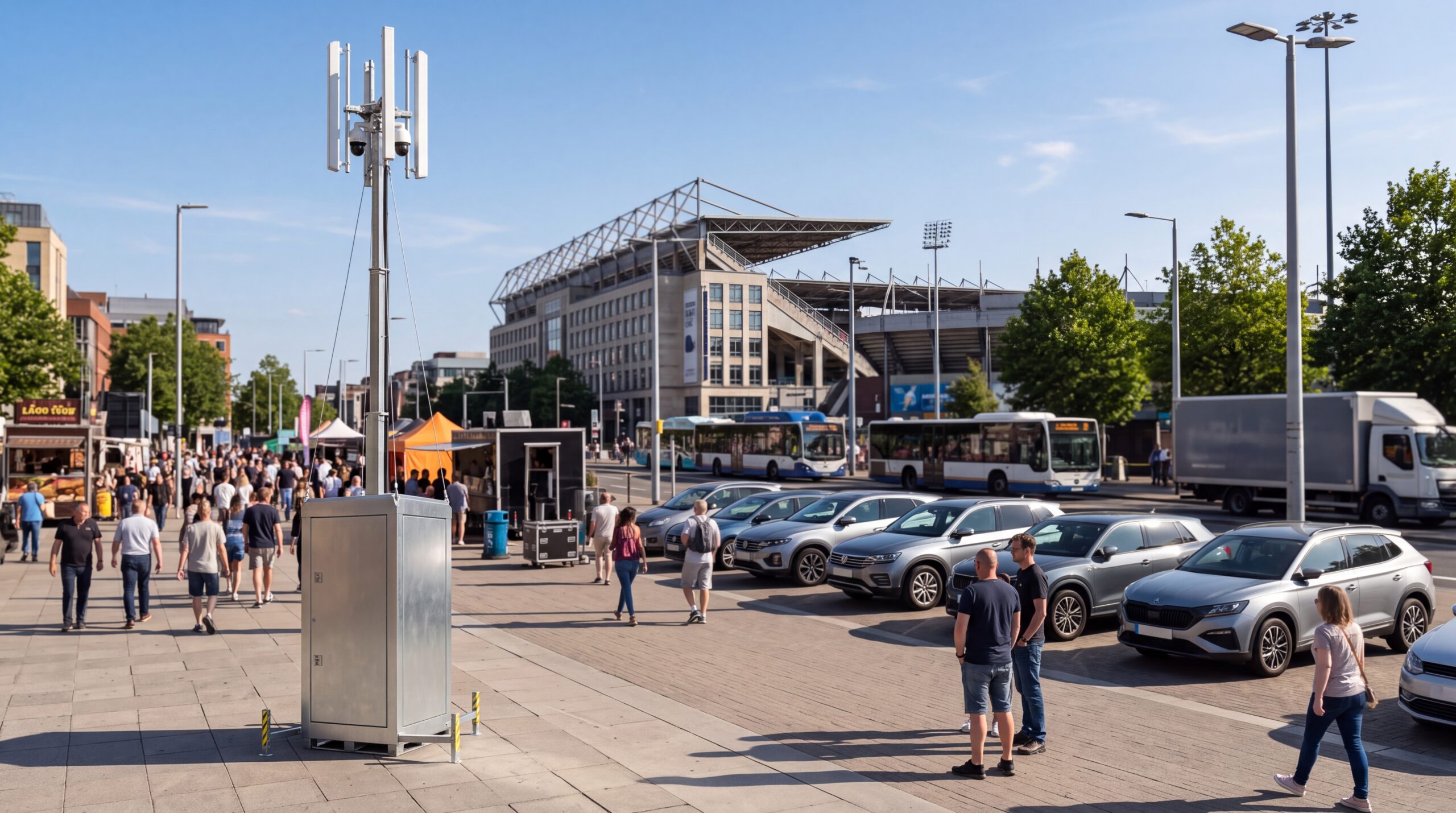
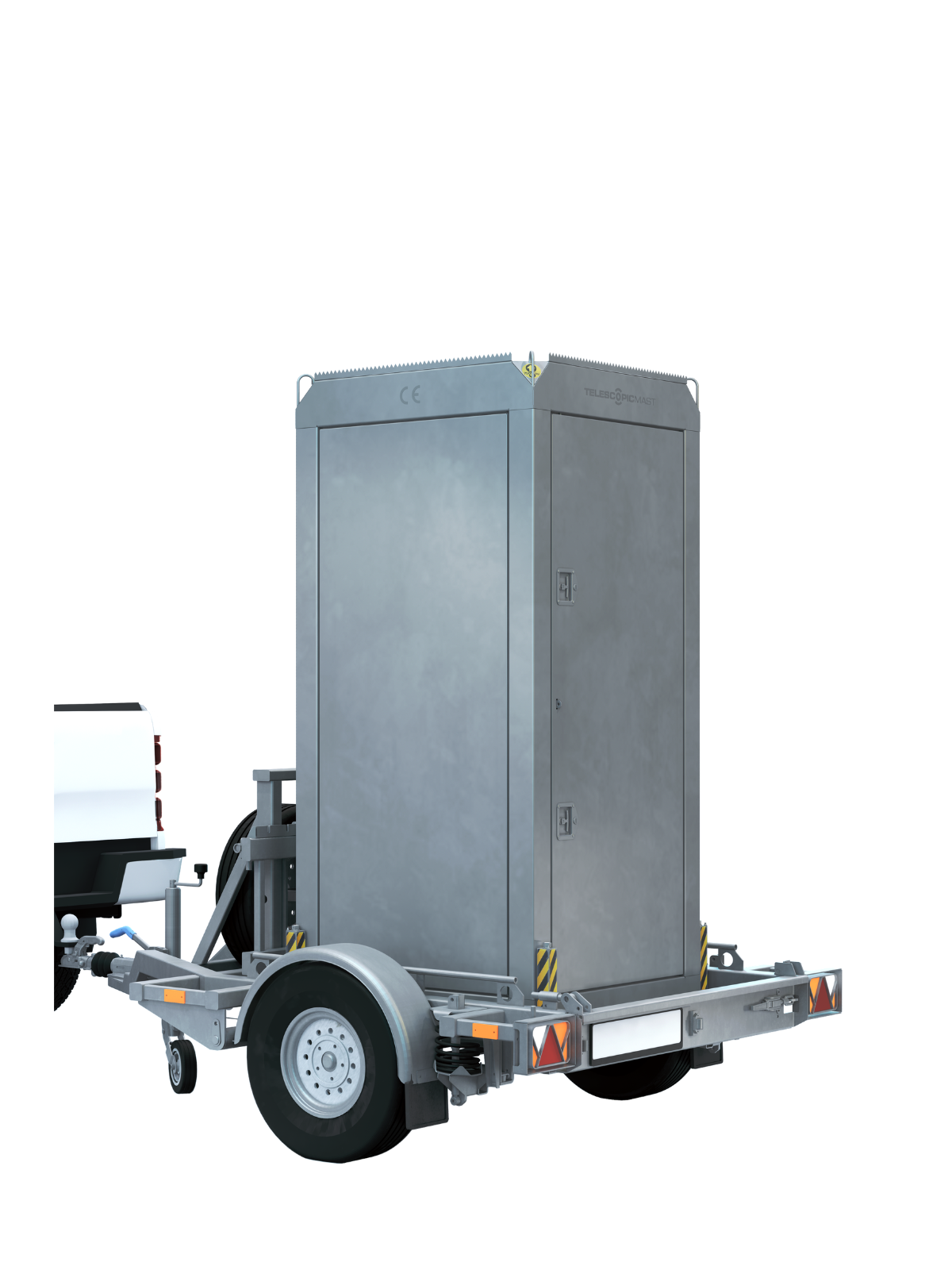
Spectrum has stopped being the hard part. In most of Europe a private 5G network now starts with a form, a fee and a few weeks of waiting. The radio still has to stand somewhere: 20 ft up, powered, secured, and gone again when the project ends. A Mobile Tower Platform carries the radio, the antenna, the backhaul and the power supply on one base, standing in under 15 minutes with no groundwork and no grid connection.

Height you can move, not height you build
No groundwork, no grid connection
Radio, antenna and backhaul on one head
95 pages of test documentation
What the Platform Contributes to a Temporary Private 5G Network

Height Is the Cheapest Gain in the Link Budget
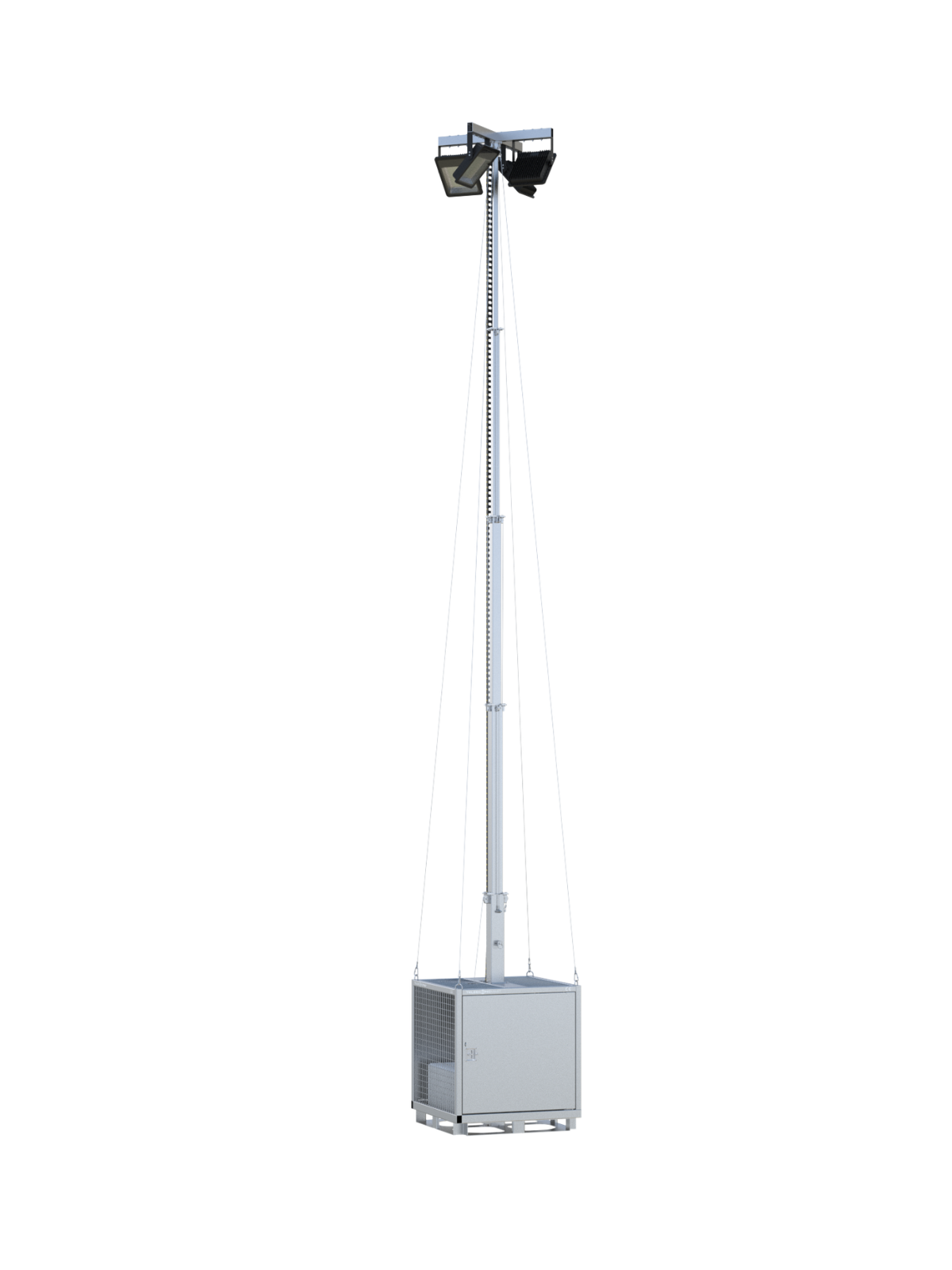
Everything else in a private 5G network costs money to improve. Antenna height costs a mast. The four spoke top carries the radio unit and the antenna at 20 ft, or 30 ft on the MSB-Premium XL, clear of the vehicles, cabins and stacked material that decide what a mid band cell actually reaches.

Radio, Core and Backhaul Live in the Same Locked Box
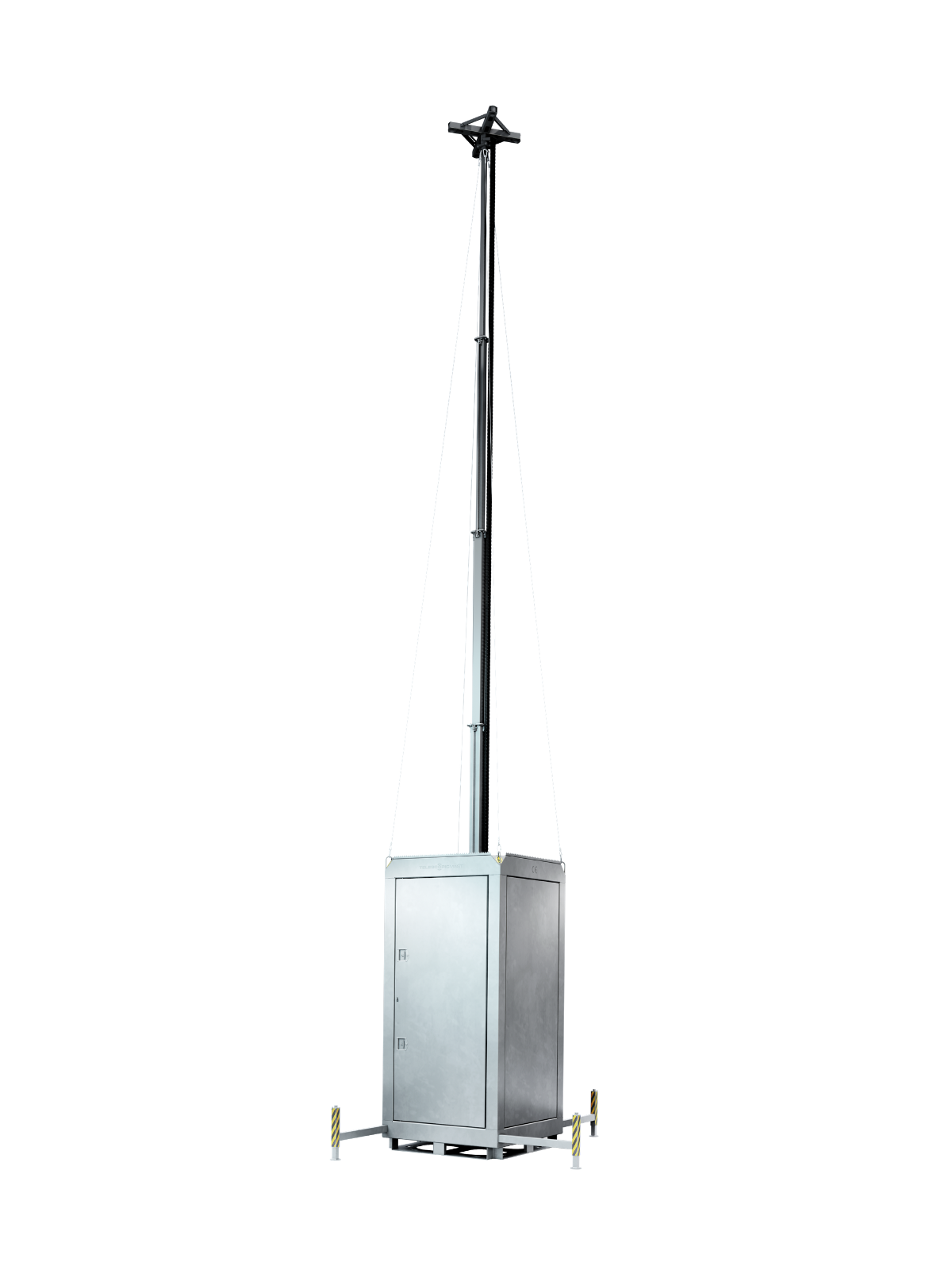
A private LTE network on a temporary site puts an edge core, a router and a battery bank somewhere unattended, often behind nothing more than a fence that will be moved on Friday. The galvanised cabinet takes them, and it cannot be climbed or opened at ground level.

A Cell That Never Sleeps Is a Power Budget
A camera can idle between events. A base station cannot, and neither can the core behind it. Continuous transmit draws a load that the site has to carry for the whole deployment, which is why power belongs in the platform choice rather than in the second site visit.

Your Radio Changes Per Project. The Platform Should Not.
The platform ships as a shell: no radios, no antennas, no electronics. Whichever vendor wins this tender mounts on the same pre-drilled points as the last one, without welding, without modification and without a second trip for a bracket that does not fit.


45 platforms across changing locations, managed from one place
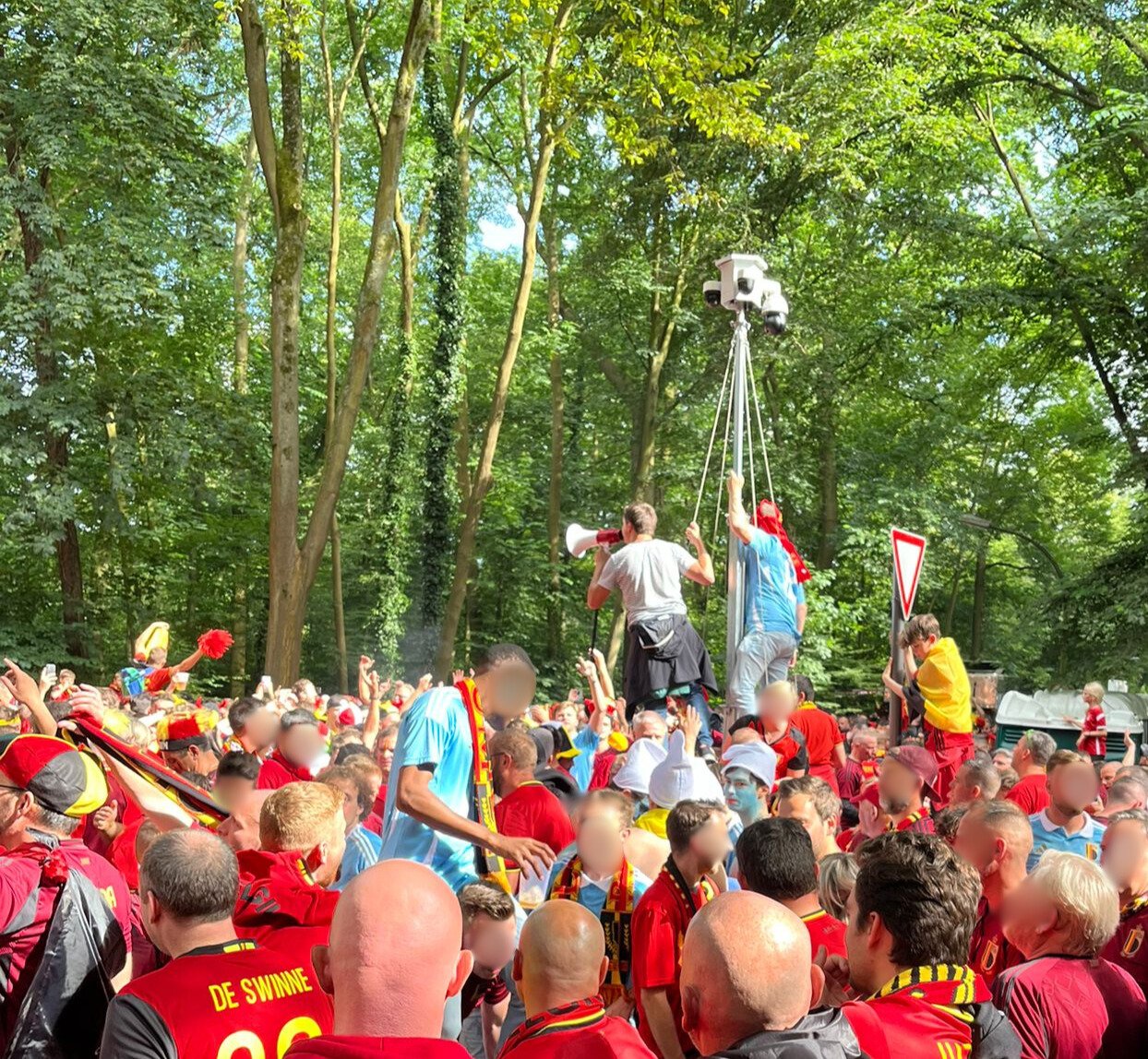
Vollmergruppe covers infrastructure projects, construction sites, car parks and vacant properties from a TUV and VdS certified control centre. 45 units now stand on temporary and frequently changing locations, reporting back around the clock with nobody on site. A distributed rollout of small cells is the same fleet problem wearing different equipment.

Coverage that follows the work instead of the first survey
Millennium Security Services needed temporary cover that could be repositioned as each site changed shape, rather than staying where the first survey put it. MSB6-Premium platforms carry their payload and move with the work. A construction phase plan moves a coverage plan with it, and a mast on a base plate moves in the same afternoon.

Radios and Antennas
Backhaul and Transmission
Power and Autonomy
Edge and Compute

Cameras and Sensors
Radios and Antennas
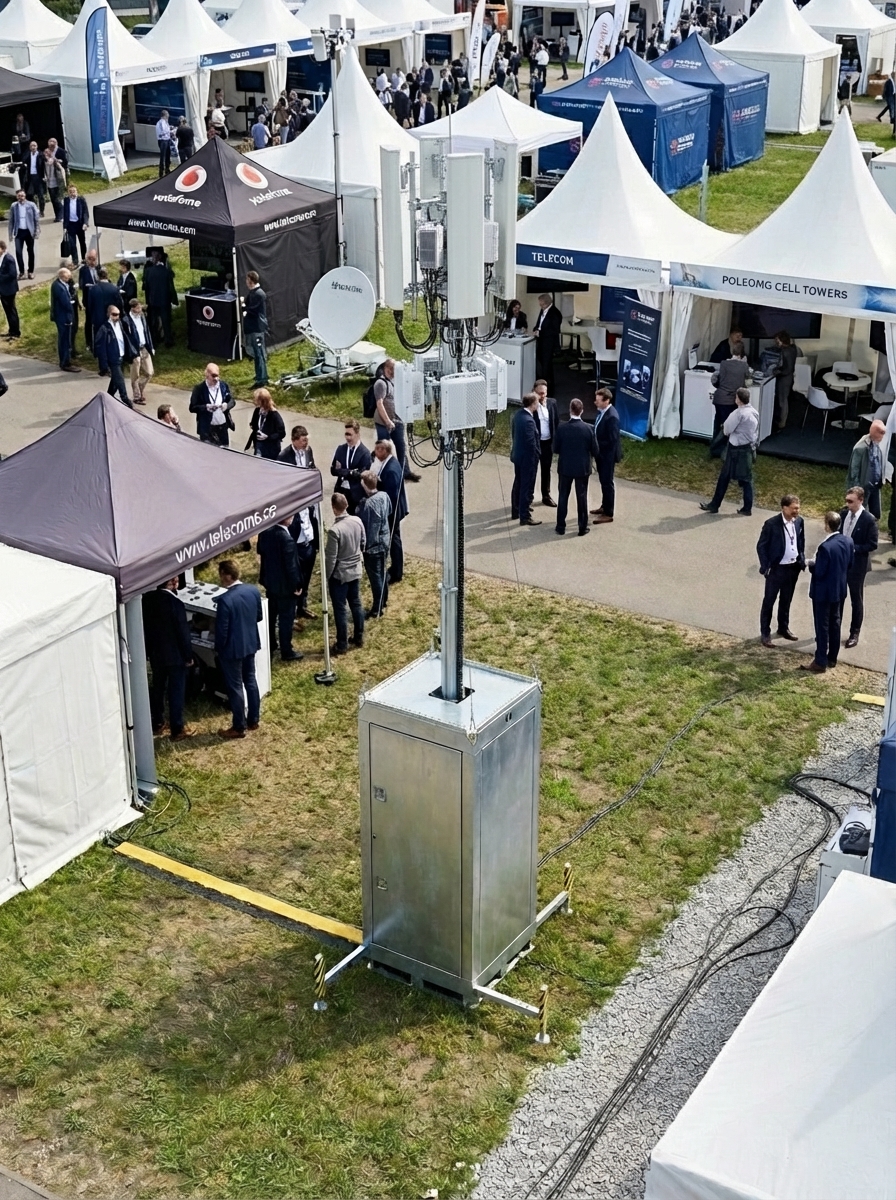
The radio unit and the antenna belong at the top of the mast, not in the cabinet at the bottom, because feeder loss and ground clutter both eat the same link budget. The four spoke mast top carries 130 lbs, enough for a mid band radio, a sector antenna and the bracket that holds them.
Common applications:
- Private 5G and private LTE small cells
- Sector and omni antennas at 20 or 30 ft
- Signal boosting and repeater equipment
Important notice
TelescopicMast does not supply these accessories. Integration is done with technology partners based on your requirements.
Download Integration Brochure
Mast top payload, spoke dimensions and mounting options for radio units and antennas.
Backhaul and Transmission
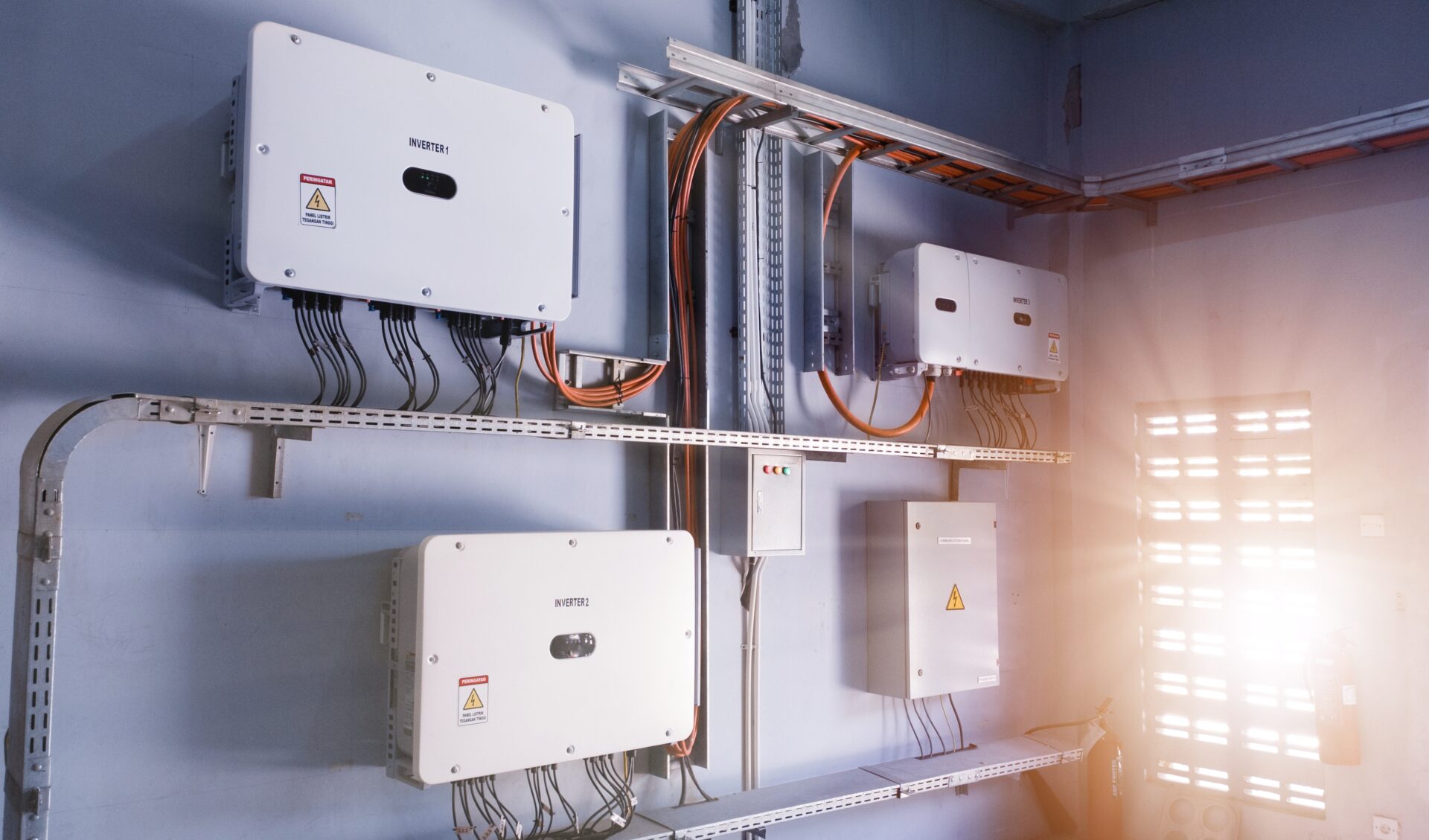
A private network still has to reach the outside world. Point to point links between platforms, a bonded cellular uplink, or a satellite terminal where nothing else exists. All three want height and a clear path, and all three run down the same dual cabling inside the mast to an IP66 patch box.
Common applications:
- Point to point links between platforms
- Bonded 4G and 5G uplink
- Satellite backhaul on sites with no coverage
Important notice
TelescopicMast does not supply these accessories. Integration is done with technology partners based on your requirements.
Download Integration Brochure
Cable routing, patch box specification and antenna mounting options for backhaul equipment.
Power and Autonomy
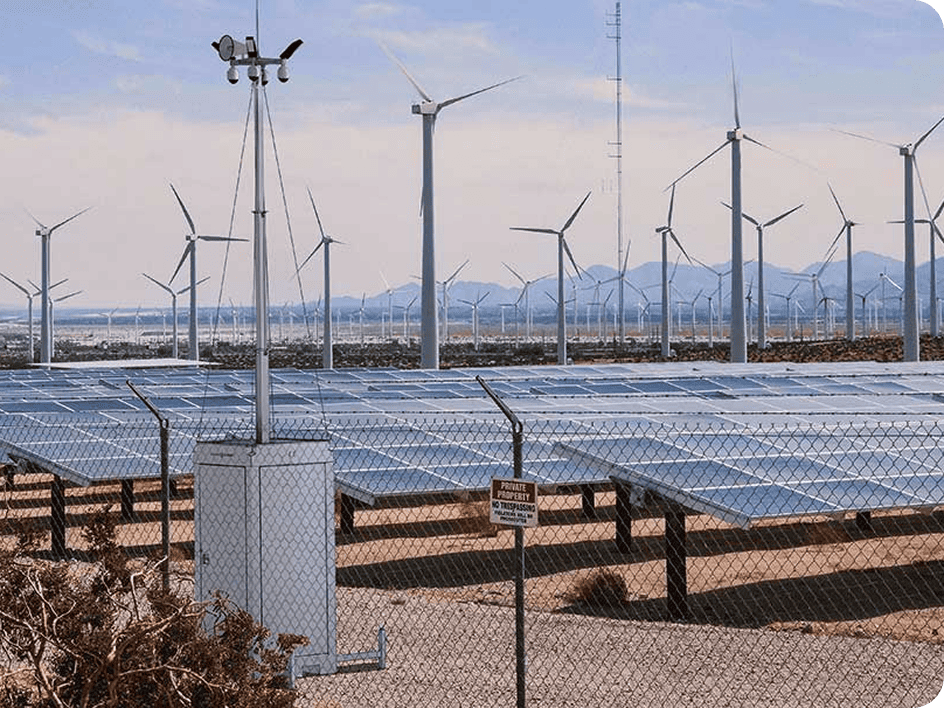
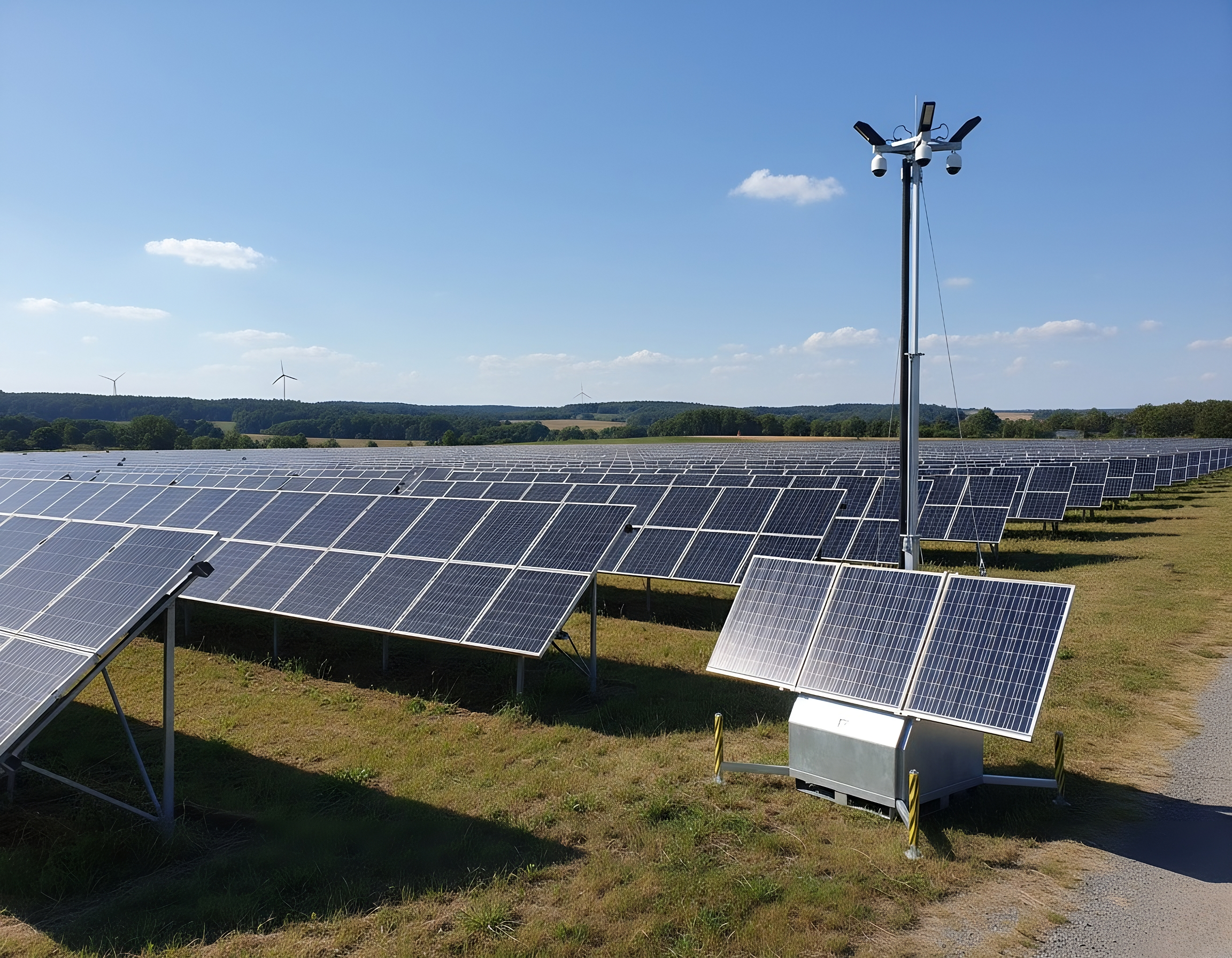
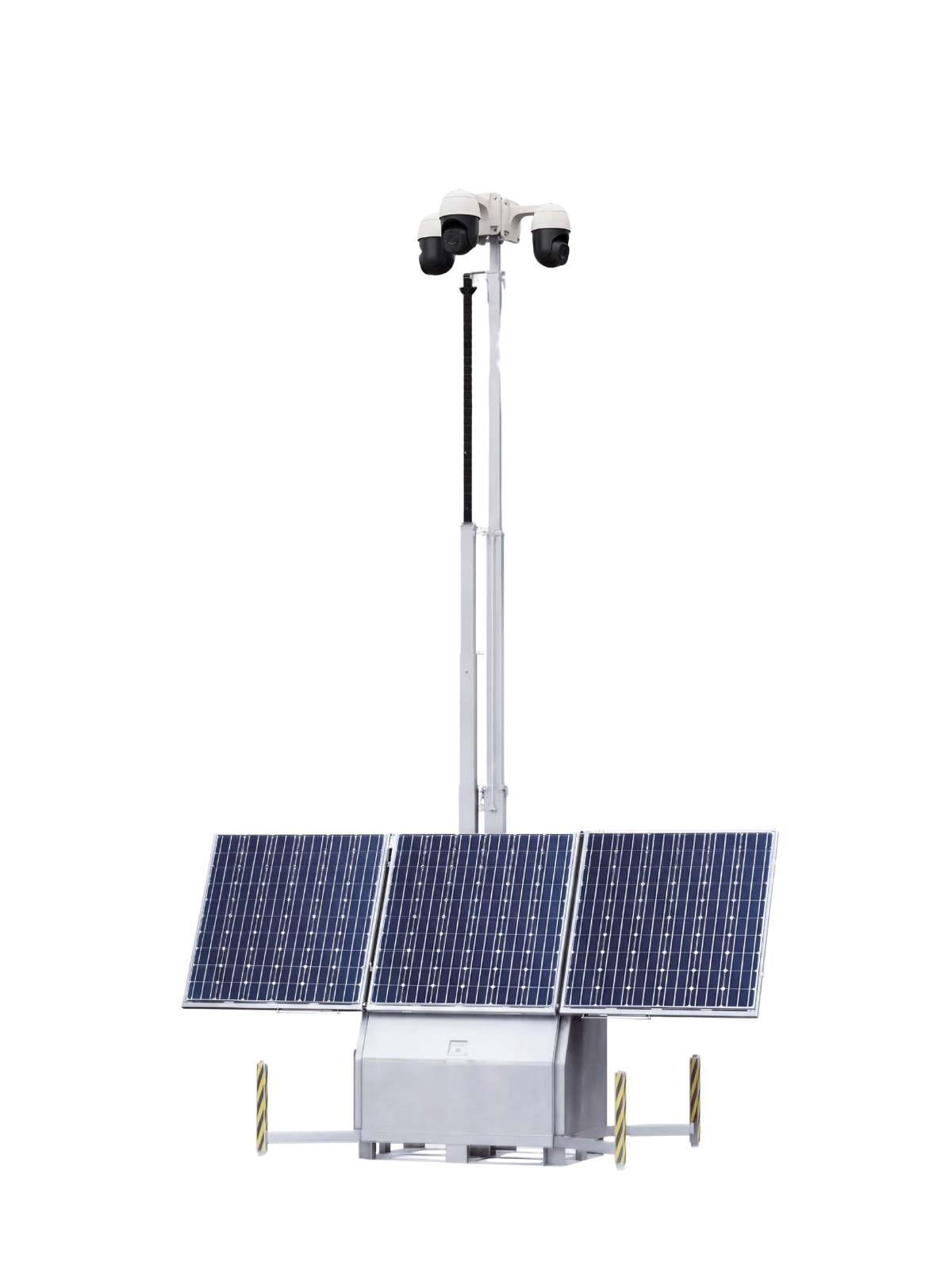
A base station transmits whether or not anything is happening, so a temporary site with no socket becomes an energy calculation before it becomes a coverage question. The cabinet takes your own batteries, the MSB-Edge adds 660 W of solar across three panels, and hydrogen or methanol fuel cells cover the weeks the sun does not show up.
Common applications:
- 660 W solar on the MSB-Edge
- Battery and fuel cell space in the cabinet
- Grid, solar and hybrid configurations
Important notice
TelescopicMast does not supply these accessories. Integration is done with technology partners based on your requirements.
Download Integration Brochure
Power budgets, battery space and off grid configurations for continuously transmitting equipment.
Edge and Compute
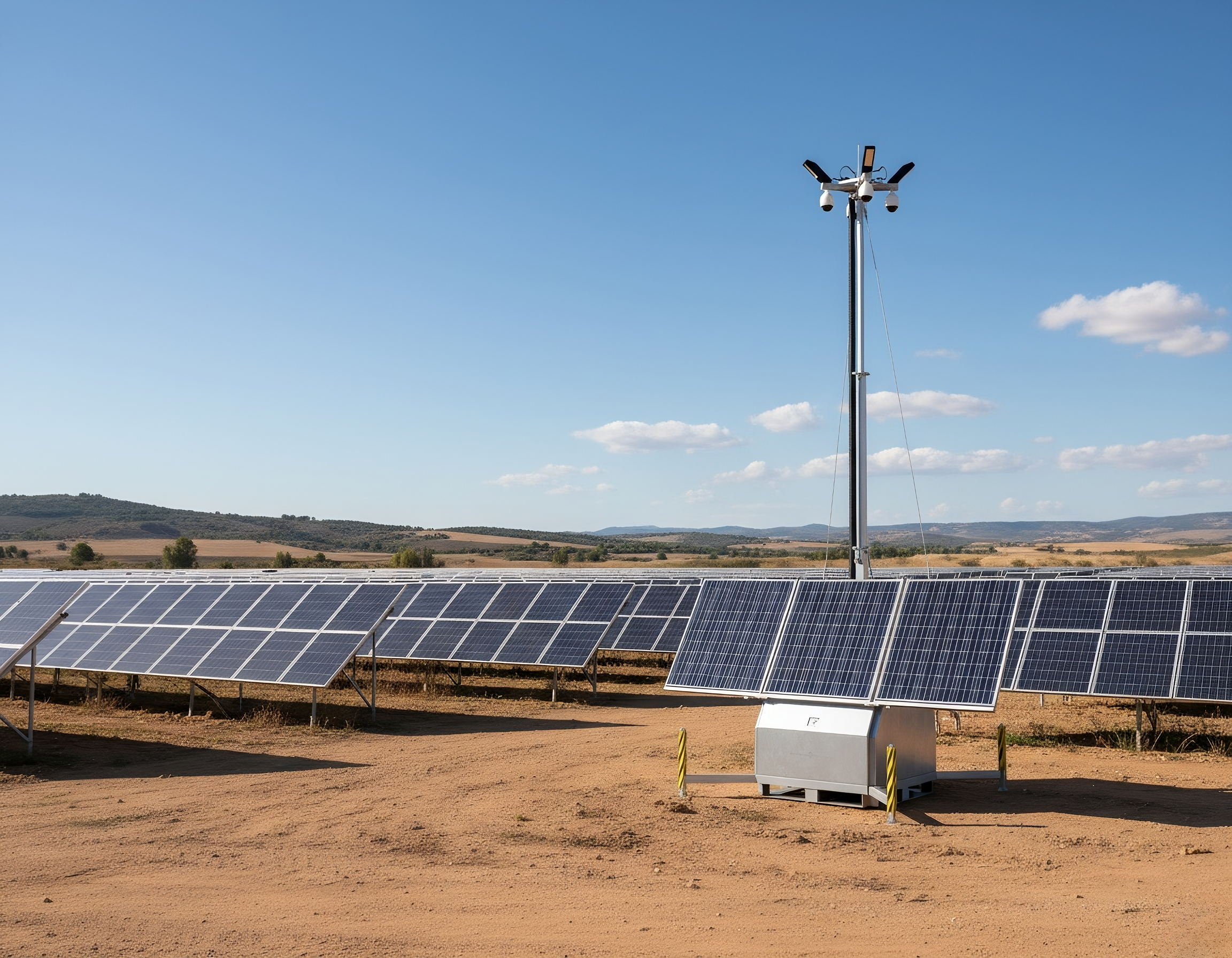
A standalone private 5G network needs a core, and on a temporary site that core is a server in a box on the ground. The cabinet gives it a lockable, ventilated, galvanised home with two full size doors, so an engineer can work on it in the rain without lying under a trestle table.
Common applications:
- Edge core and local breakout
- Routers, switches and IoT gateways
- Remote management and status monitoring
Important notice
TelescopicMast does not supply these accessories. Integration is done with technology partners based on your requirements.
Download Integration Brochure
Cabinet dimensions, ventilation and mounting space for edge servers and network equipment.
Cameras and Sensors
A site that justifies a temporary network usually justifies eyes on it as well, and the platform that carries the radio can carry both. Cameras at the mast top, radar lower down, sensors wherever the application wants them, all on one base with one power supply and one set of permissions.
Common applications:
- Site surveillance alongside the radio
- Environmental and IoT sensors
- Multiple mounting levels on one mast
Important notice
TelescopicMast does not supply these accessories. Integration is done with technology partners based on your requirements.
Download Integration Brochure
Mounting positions, payload and cable routing for cameras and sensors sharing the mast.


Get in Touch
Have questions about our Mobile Tower Platforms? Our sales team is ready to help you find the perfect solution for your security needs.